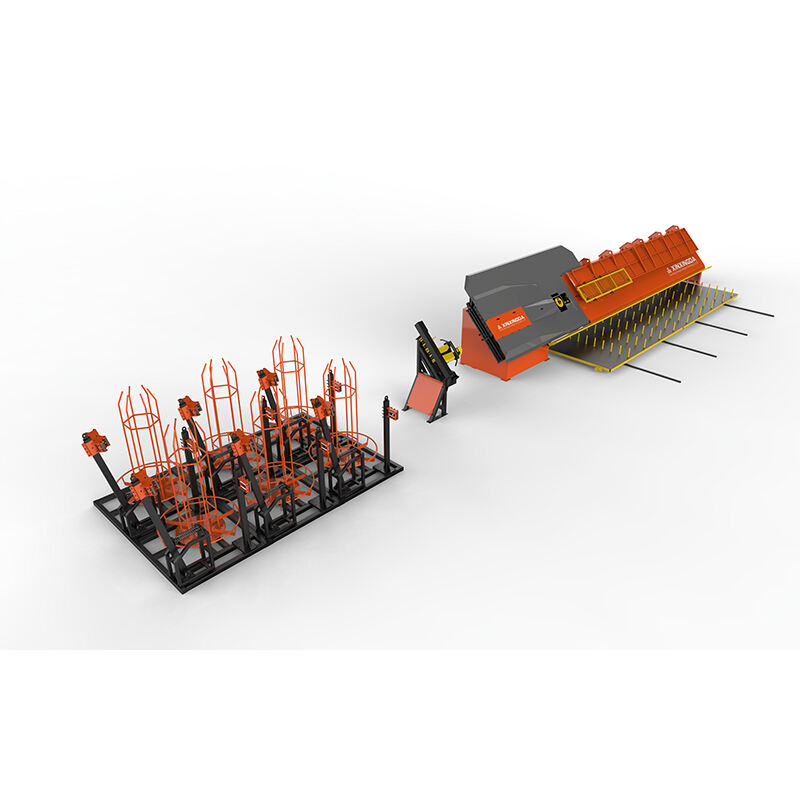
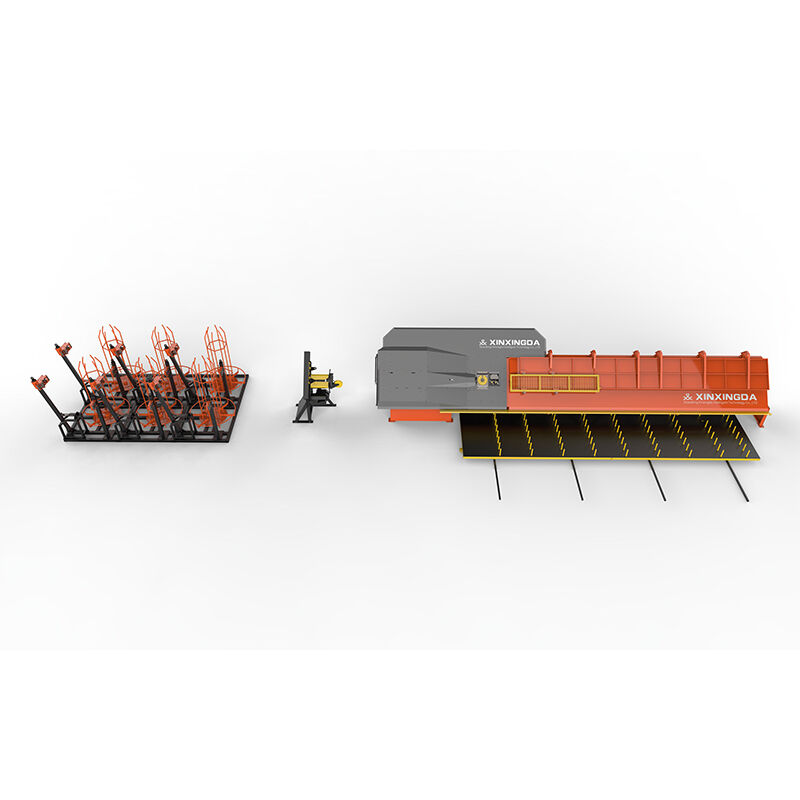
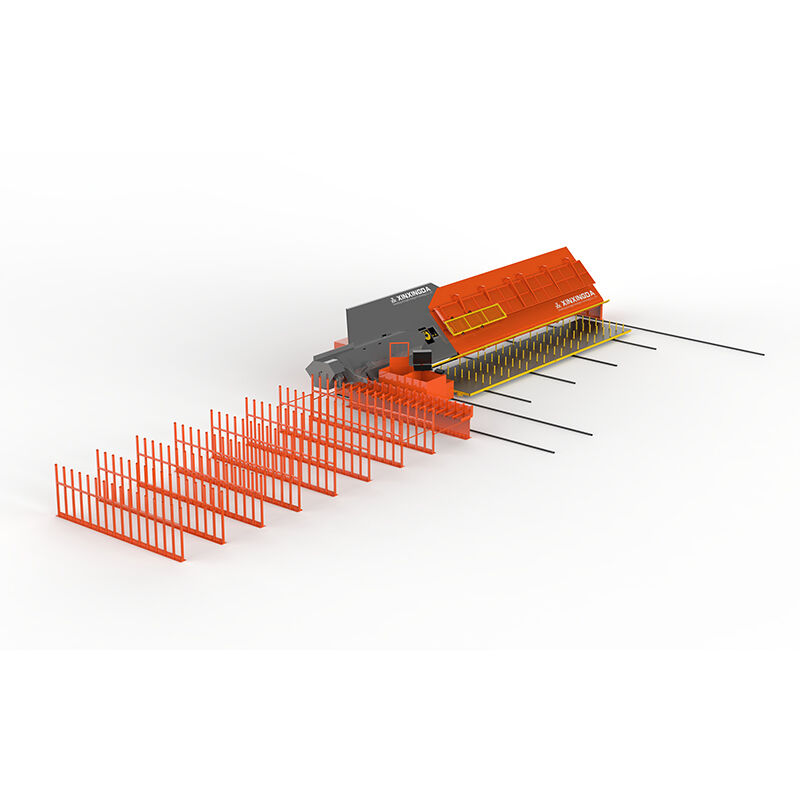
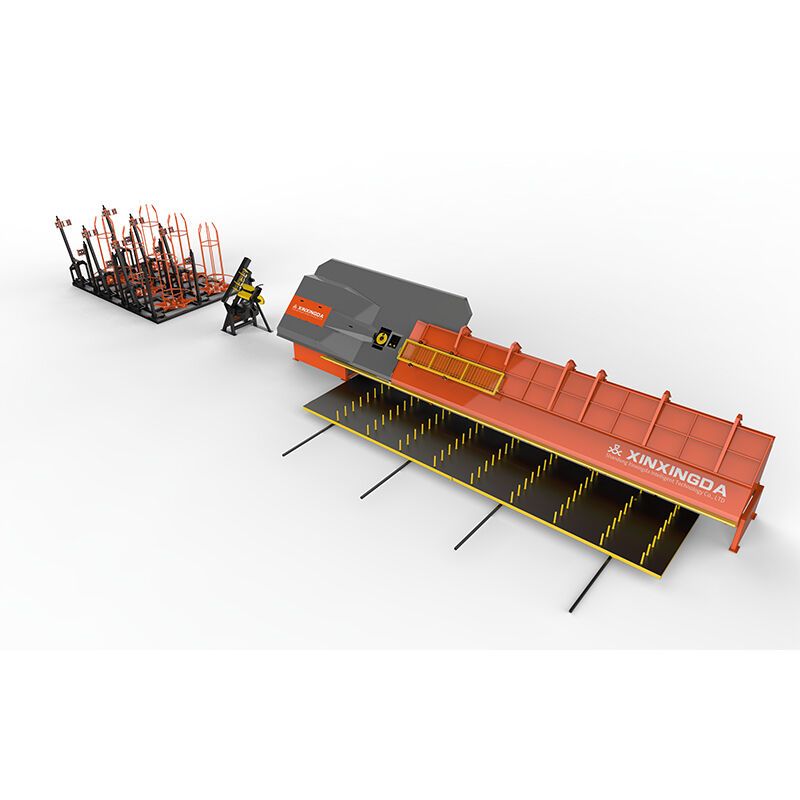
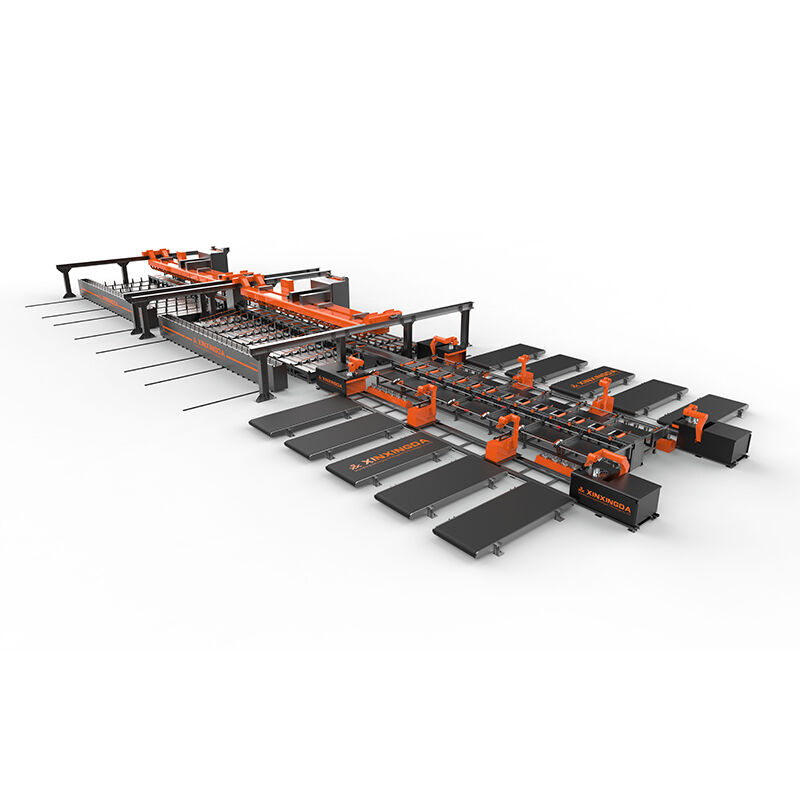
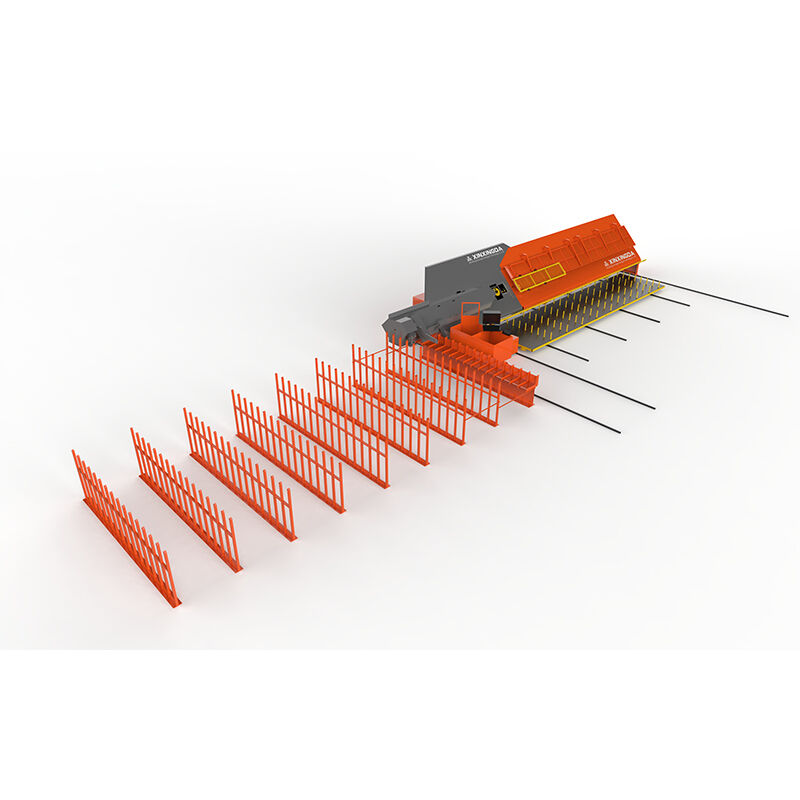
durable largescale bending machine
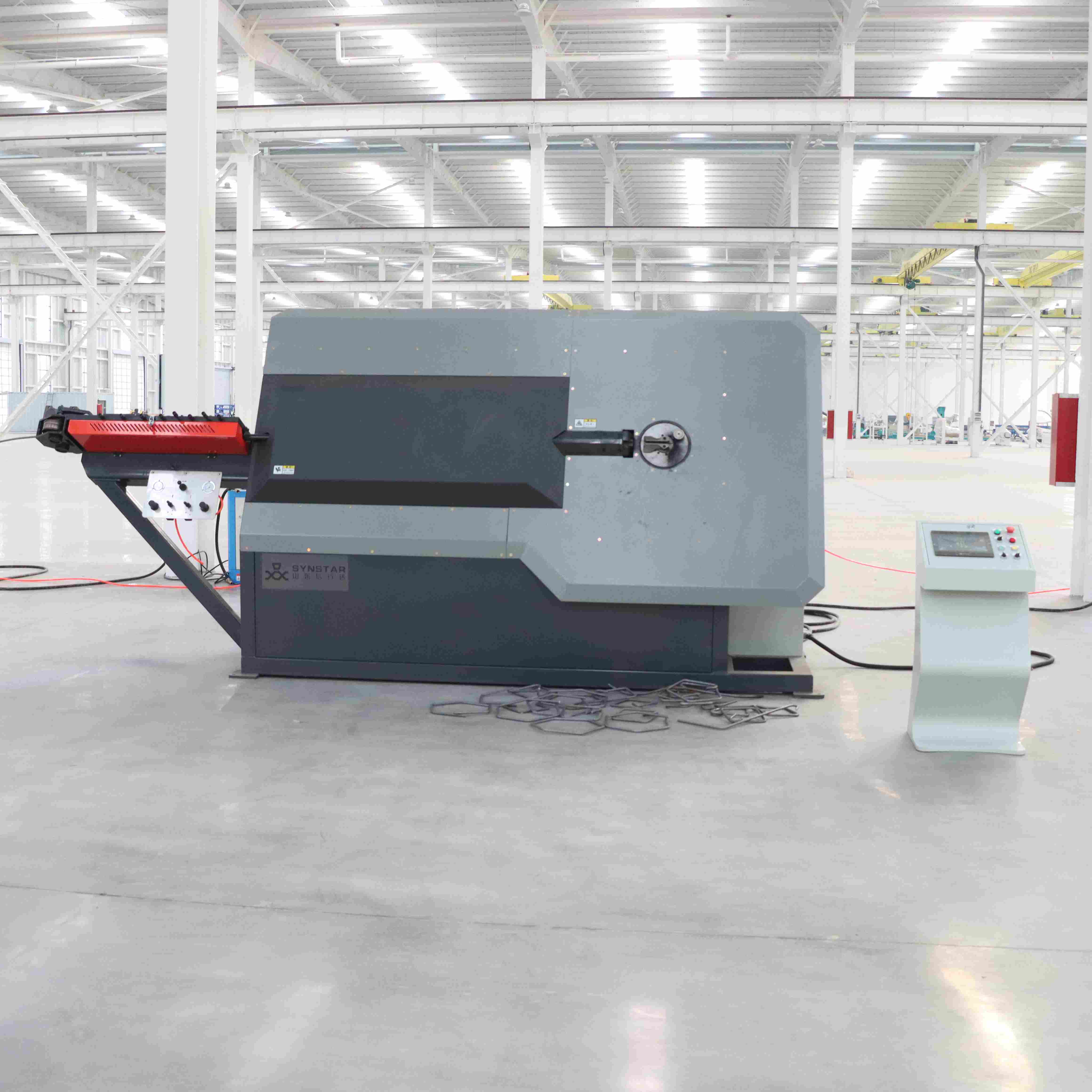
The durable largescale bending machine represents a revolutionary advancement in metal fabrication technology, designed to handle substantial workpieces with exceptional precision and reliability. This sophisticated industrial equipment serves as the backbone of modern manufacturing operations, capable of bending thick metal sheets, structural beams, and heavy-duty components with remarkable accuracy. The machine's robust construction features reinforced steel frames, high-capacity hydraulic systems, and advanced servo motors that work in perfect synchronization to deliver consistent results across extended production cycles. Its primary functions include precise angle bending, multi-axis forming, and complex shape creation for various industrial applications. The technological features of this durable largescale bending machine encompass state-of-the-art CNC control systems that enable operators to program intricate bending sequences with mathematical precision. The machine incorporates advanced sensors and feedback mechanisms that continuously monitor pressure, position, and material stress throughout the bending process. This real-time monitoring ensures optimal performance while preventing material damage and maintaining dimensional accuracy. The equipment's modular design allows for customizable tooling configurations, enabling manufacturers to adapt quickly to different project requirements without extensive downtime. Applications for the durable largescale bending machine span multiple industries, including aerospace, automotive, construction, and heavy machinery manufacturing. In aerospace applications, it shapes critical structural components for aircraft frames and engine housings. Automotive manufacturers utilize these machines for producing chassis components, body panels, and suspension elements. Construction companies rely on this equipment for creating architectural metalwork, structural beams, and custom building components. The machine's versatility extends to shipbuilding, where it forms hull plates and structural frameworks with the precision required for maritime safety standards.

 EN
EN