All Categories

Get a Free Quote

Our representative will contact you soon.
Email
Name
Company Name
Mobile
Message
0/1000
industrial welding robot-1

Home > 

industrial welding robot

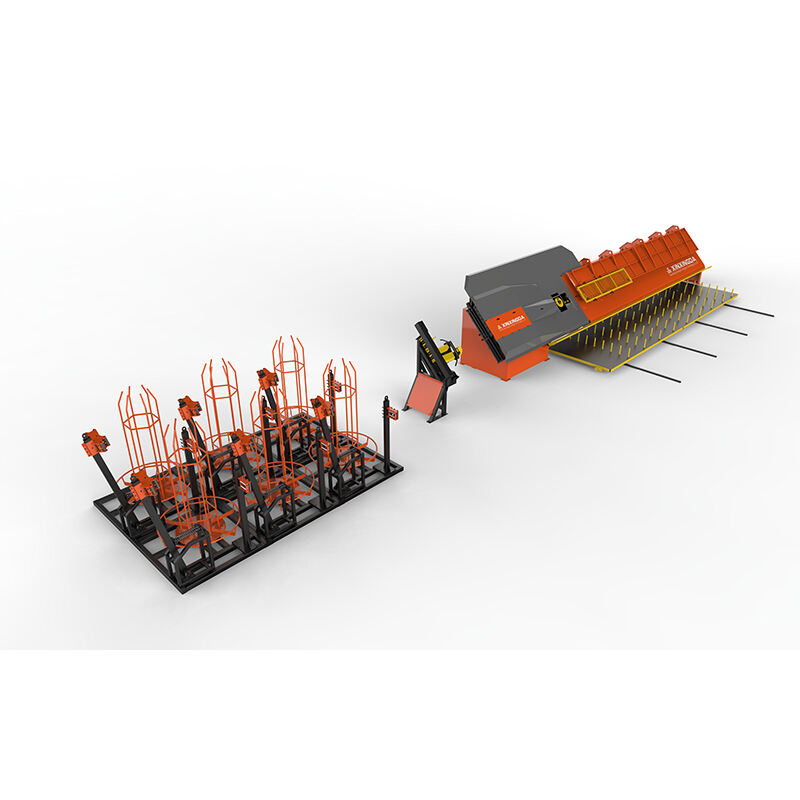
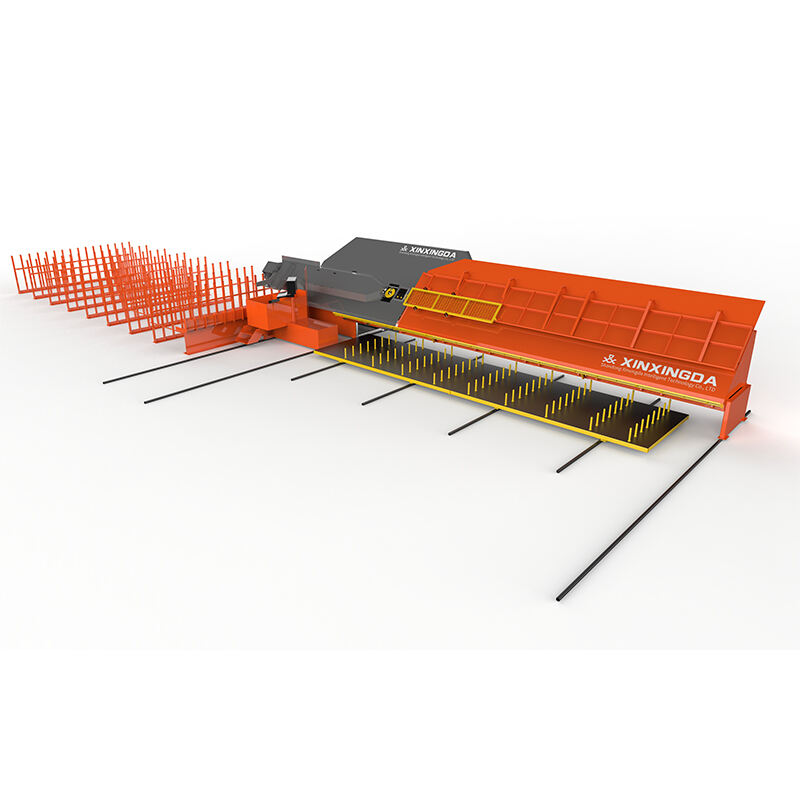
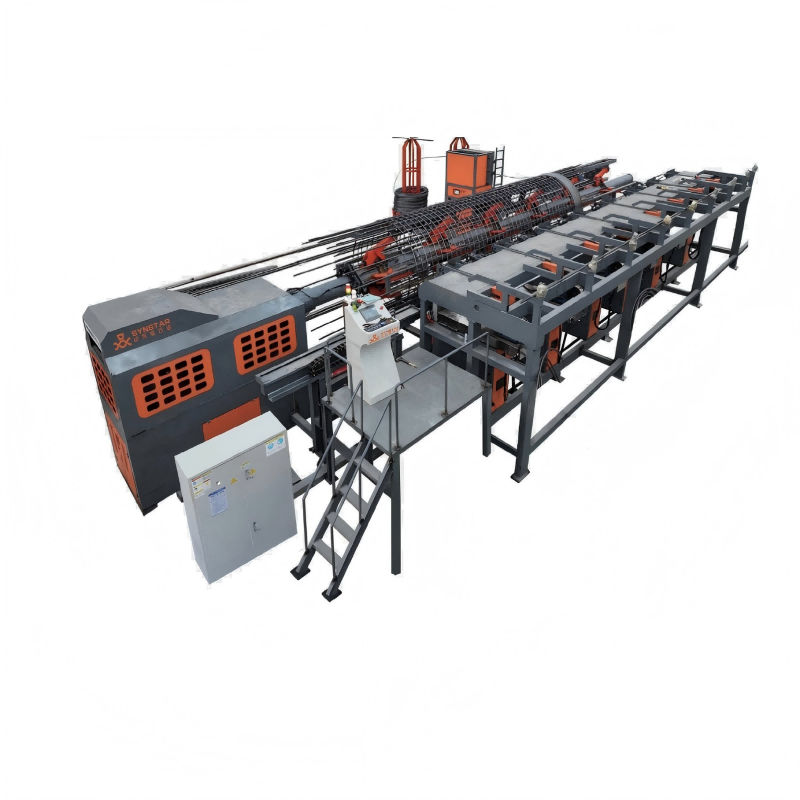
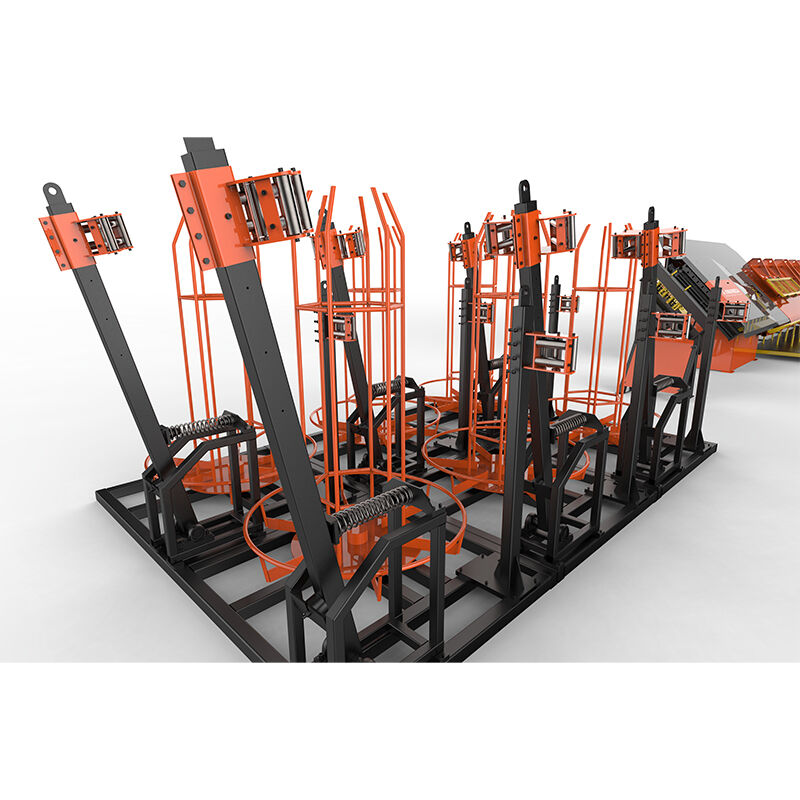
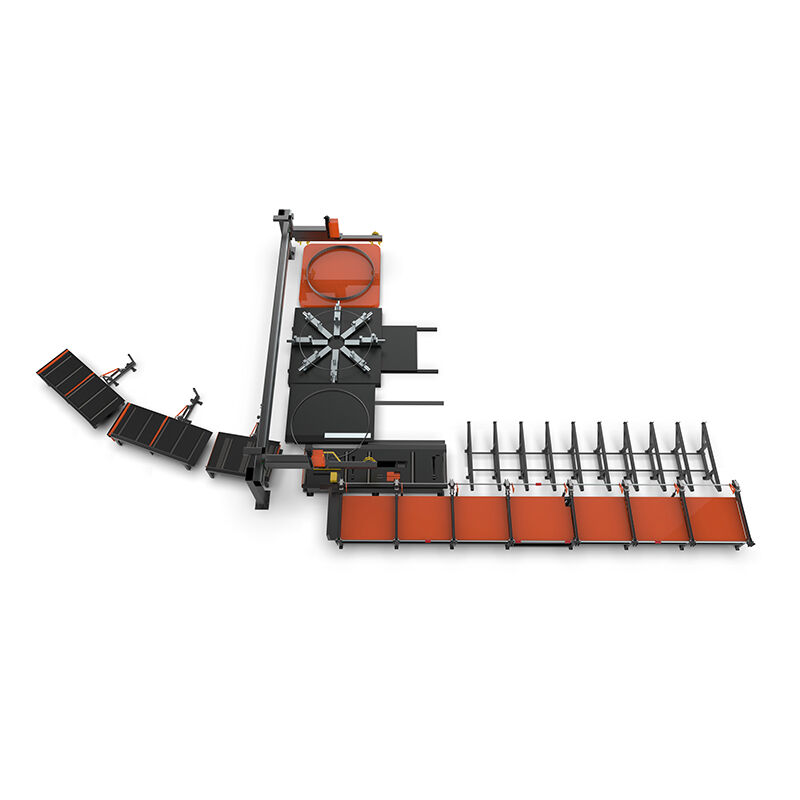
Industrial welding robots represent a pinnacle of automated manufacturing technology, combining precision engineering with advanced robotics to deliver consistent, high-quality welds in industrial settings. These sophisticated machines feature articulated arms with multiple axes of movement, allowing them to access complex geometries and perform intricate welding patterns. Equipped with advanced sensors and control systems, these robots can maintain precise welding parameters including travel speed, wire feed rate, and arc voltage. They typically incorporate vision systems for real-time seam tracking and quality monitoring, ensuring optimal weld placement and penetration. The robots can be programmed for various welding processes, including MIG, TIG, and spot welding, making them versatile tools for different manufacturing requirements. Modern industrial welding robots often feature intuitive programming interfaces, allowing operators to easily create and modify welding programs. They can operate continuously in harsh environments, maintaining consistent quality levels that would be difficult to achieve through manual welding. These systems can be integrated with other automation equipment, forming part of a comprehensive manufacturing cell, and can be networked for remote monitoring and data collection to support quality control and process optimization.

New Product Recommendations

Industrial welding robots offer numerous compelling advantages that make them invaluable in modern manufacturing environments. First and foremost, they deliver unprecedented consistency in weld quality, eliminating the variations that naturally occur with manual welding. This consistency leads to reduced defect rates and minimal rework requirements, significantly improving production efficiency. The robots can operate continuously without fatigue, dramatically increasing production throughput compared to manual welding operations. They excel in performing repetitive tasks with exact precision, maintaining the same high quality standards throughout extended production runs. From a safety perspective, welding robots reduce human exposure to hazardous conditions including arc flash, fumes, and high temperatures. These systems can achieve higher welding speeds while maintaining quality, leading to increased production rates and improved cost-effectiveness. The precision control of welding parameters results in optimal material usage and reduced waste, contributing to better resource management. Modern welding robots can be quickly reprogrammed for different tasks, offering flexibility in production planning. They provide detailed process data for quality control and traceability, supporting continuous improvement initiatives. The integration capabilities of these robots allow for seamless coordination with other automated systems, enabling fully automated production lines. The initial investment in robotic welding systems is often offset by reduced labor costs, improved quality, and increased productivity, providing an attractive return on investment for many manufacturing operations.

Latest News

What Maintenance Practices Extend the Life of a Steel Cage Roll Welding Machine

24

Sep

What Maintenance Practices Extend the Life of a Steel Cage Roll Welding Machine

Essential Maintenance Strategies for Industrial Welding Equipment Industrial welding equipment represents a significant investment for manufacturing facilities, and proper maintenance is crucial for ensuring optimal performance and longevity. Steel c...
View More
How Is Smart Construction Equipment Transforming Modern Job Sites

24

Sep

How Is Smart Construction Equipment Transforming Modern Job Sites

The Digital Revolution in Construction Technology The construction industry is experiencing an unprecedented transformation as smart construction equipment reshapes traditional workflows and methodologies. This technological evolution is revolutioniz...
View More
Which Construction Equipment Offers the Best Value for Large Contractors

19

Sep

Which Construction Equipment Offers the Best Value for Large Contractors

Maximizing ROI Through Strategic Equipment Investment The construction industry's landscape continues to evolve, with equipment decisions playing a pivotal role in a contractor's success. Making informed choices about construction equipment value req...
View More
What Advantages Does Large-scale Bending Machine Bring to Builders

24

Sep

What Advantages Does Large-scale Bending Machine Bring to Builders

Transforming Construction Industry Through Advanced Metal Forming Technology The construction landscape is rapidly evolving, and at the heart of this transformation lies the large-scale bending machine. These sophisticated pieces of equipment have re...
View More

Get a Free Quote

Our representative will contact you soon.
Email
Name
Company Name
Mobile
Message
0/1000

industrial welding robot

Advanced Sensor Integration and Adaptive Control

Advanced Sensor Integration and Adaptive Control

Modern industrial welding robots incorporate sophisticated sensor systems that revolutionize welding precision and adaptability. Through real-time monitoring of multiple parameters, including arc characteristics, seam position, and thermal conditions, these robots can make instantaneous adjustments to maintain optimal welding conditions. The advanced sensor suite typically includes vision systems for seam tracking, through-arc sensing for joint finding, and thermal sensors for temperature control. These systems work in concert to enable the robot to adapt to variations in part positioning, joint geometry, and material conditions. The adaptive control algorithms process sensor data in real-time, automatically adjusting welding parameters to maintain consistent quality. This capability is particularly valuable when dealing with complex parts or variations in material properties, ensuring high-quality welds even under challenging conditions.
Comprehensive Safety and Monitoring Systems

Comprehensive Safety and Monitoring Systems

The safety architecture of industrial welding robots represents a sophisticated integration of multiple protective measures and monitoring capabilities. These systems incorporate advanced motion control with collision detection, preventing damage to both the robot and surrounding equipment. Safety features include programmable safe zones, which restrict robot movement to predefined areas, and advanced emergency stop systems that respond instantly to potential hazards. The monitoring system continuously tracks operational parameters, providing real-time feedback on weld quality and robot performance. This data is logged and can be analyzed for quality control and process optimization. Additionally, these robots feature integrated diagnostics that can predict maintenance requirements, helping prevent unexpected downtime and ensuring consistent production quality.
Smart Programming and Integration Capabilities

Smart Programming and Integration Capabilities

Industrial welding robots feature advanced programming interfaces that combine ease of use with powerful functionality. The programming systems often include intuitive teach pendant interfaces, offline programming capabilities, and simulation tools for program verification. This allows operators to develop and optimize welding programs without interrupting production. The robots support multiple programming methods, including teach-by-demonstration, offline programming with CAD integration, and parametric programming for flexible production requirements. Integration capabilities extend to enterprise resource planning systems, manufacturing execution systems, and quality management systems, enabling comprehensive production control and monitoring. The ability to store and quickly recall multiple welding programs makes these robots highly versatile for varying production requirements.

Get a Free Quote

Our representative will contact you soon.
Email
Name
Company Name
Mobile
Message
0/1000