All Categories

Get a Free Quote

Our representative will contact you soon.
Email
Name
Company Name
Mobile
Message
0/1000
robotic welding cell-1

Home > 

robotic welding cell

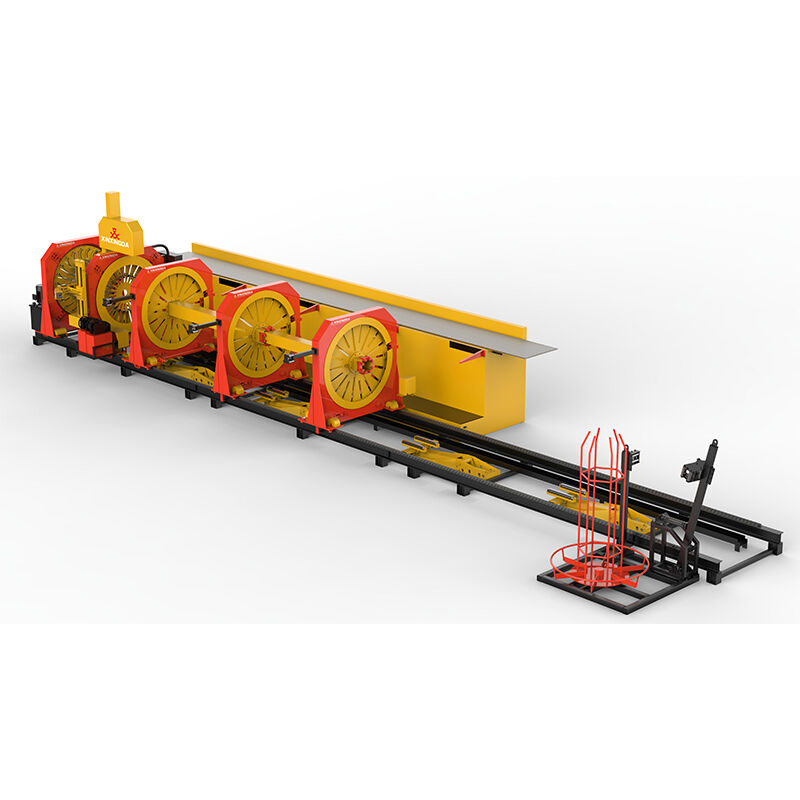
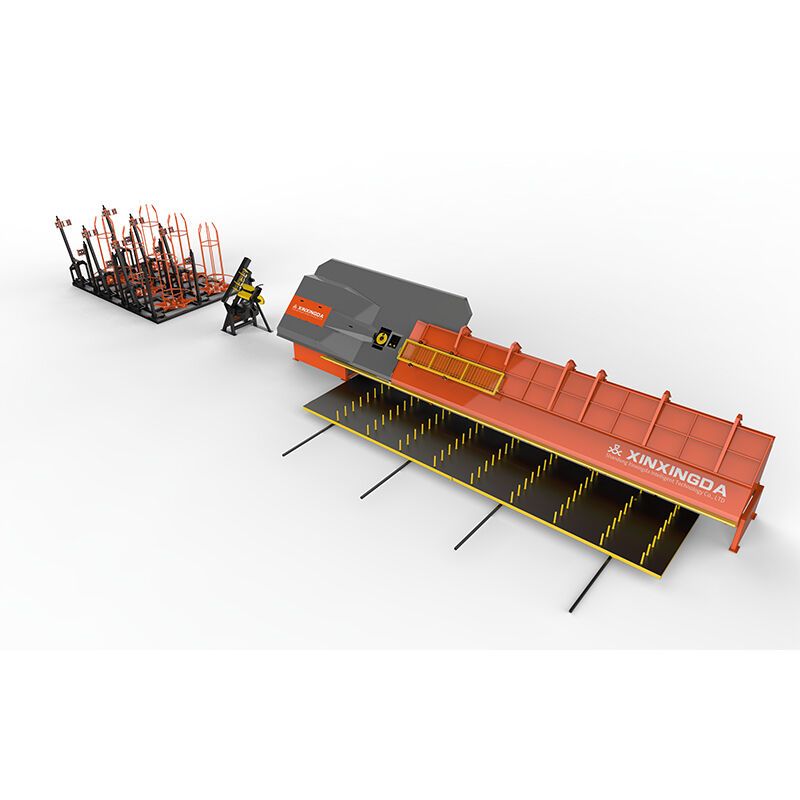
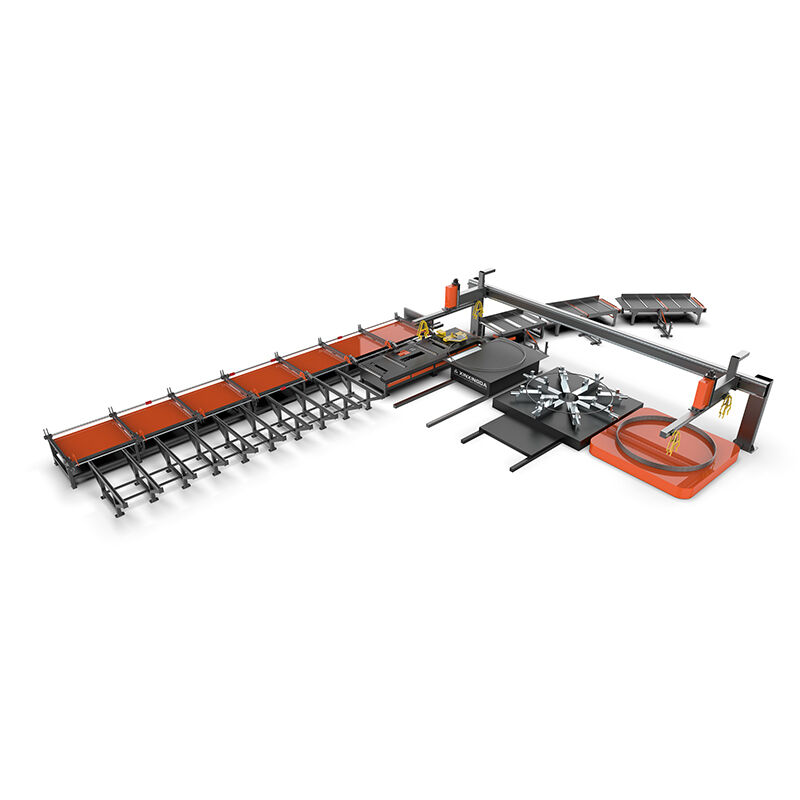
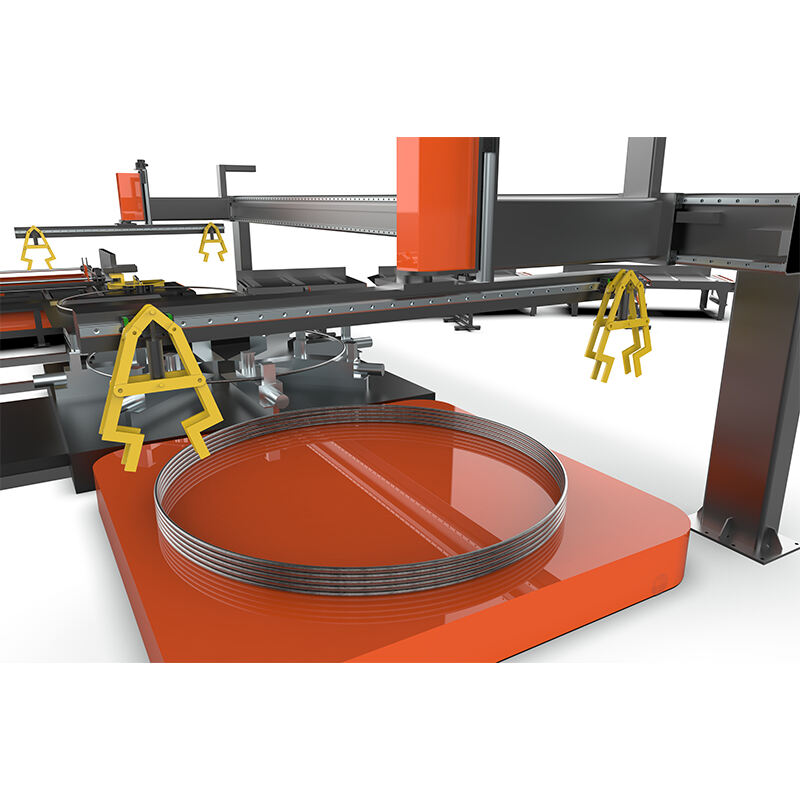
A robotic welding cell represents a sophisticated automated manufacturing solution that combines advanced robotics, precision welding technology, and intelligent control systems. This integrated system consists of an industrial robot equipped with specialized welding equipment, safety enclosures, workpiece positioning systems, and programmable controllers. The cell operates by precisely manipulating the welding torch along predetermined paths, maintaining consistent speed, angle, and distance to achieve high-quality welds. Advanced sensors and monitoring systems ensure real-time quality control, while automated material handling components facilitate smooth workflow. The cell can be programmed to handle various welding processes, including MIG, TIG, and spot welding, adapting to different material types and thicknesses. Modern robotic welding cells incorporate features such as collision detection, automatic tool changing, and remote monitoring capabilities. These systems find extensive applications across automotive manufacturing, heavy equipment fabrication, aerospace components, and general industrial production, where consistency and precision are paramount. The cell's modular design allows for customization based on specific production requirements, while integration capabilities enable seamless connection with existing manufacturing systems and Industry 4.0 platforms.

Popular Products

Robotic welding cells offer substantial benefits that directly impact manufacturing efficiency and product quality. First, they dramatically increase production throughput by operating continuously without fatigue, maintaining consistent welding speeds and quality throughout extended shifts. The precision and repeatability of robotic systems significantly reduce error rates and material waste, leading to cost savings in both materials and rework time. Worker safety is enhanced as operators are removed from hazardous welding environments, reducing exposure to fumes, heat, and intense light. The systems provide excellent flexibility, easily adapting to different product specifications through simple reprogramming, eliminating the need for extensive retooling. Quality control is enhanced through integrated monitoring systems that provide real-time feedback and documentation of welding parameters, ensuring consistent weld quality and facilitating quality assurance processes. Labor costs are effectively managed as one operator can supervise multiple welding cells, optimizing workforce utilization. The automated nature of these cells ensures consistent weld quality regardless of product complexity or production volume, contributing to higher customer satisfaction and reduced warranty claims. Modern cells also offer energy efficiency through optimized power consumption and reduced material waste. The systems can operate in challenging environments and handle complex welding patterns that would be difficult or impossible for manual welders to achieve consistently. Additionally, the detailed data collection and analysis capabilities support continuous process improvement and preventive maintenance strategies.

Latest News

How Is Smart Construction Equipment Transforming Modern Job Sites

24

Sep

How Is Smart Construction Equipment Transforming Modern Job Sites

The Digital Revolution in Construction Technology The construction industry is experiencing an unprecedented transformation as smart construction equipment reshapes traditional workflows and methodologies. This technological evolution is revolutioniz...
View More
How Can a Large-scale Bending Machine Improve Project Efficiency

19

Sep

How Can a Large-scale Bending Machine Improve Project Efficiency

Understanding Industrial-Grade Metal Forming Technology The construction industry relies heavily on precision and power when it comes to shaping metal components for major infrastructure projects. Large-scale bending machines represent the pinnacle o...
View More
What Advantages Does Large-scale Bending Machine Bring to Builders

24

Sep

What Advantages Does Large-scale Bending Machine Bring to Builders

Transforming Construction Industry Through Advanced Metal Forming Technology The construction landscape is rapidly evolving, and at the heart of this transformation lies the large-scale bending machine. These sophisticated pieces of equipment have re...
View More
How to Select a Steel Cage Rolling Welding Machine for Construction

24

Sep

How to Select a Steel Cage Rolling Welding Machine for Construction

How to Select a Steel Cage Rolling Welding Machine for Construction Role of a Steel Cage Rolling Welding Machine in Modern Projects A steel cage rolling welding machine is a crucial piece of equipment for infrastructure and construction projects. It ...
View More

Get a Free Quote

Our representative will contact you soon.
Email
Name
Company Name
Mobile
Message
0/1000

robotic welding cell

Advanced Control and Programming Features

Advanced Control and Programming Features

The robotic welding cell incorporates state-of-the-art control systems that enable precise manipulation of welding parameters and robot movements. The intuitive programming interface allows operators to quickly develop and modify welding programs using both teach pendant and offline programming methods. Advanced path planning algorithms optimize robot trajectories for maximum efficiency while ensuring consistent weld quality. The system includes adaptive control features that automatically adjust welding parameters based on real-time feedback from multiple sensors, compensating for variations in material properties or environmental conditions. This intelligent control system can detect and respond to process variations, maintaining optimal welding conditions throughout the production run.
Comprehensive Safety and Monitoring Systems

Comprehensive Safety and Monitoring Systems

Safety features integrated into the robotic welding cell provide multiple layers of protection for operators and equipment. The cell includes light curtains, safety interlocks, and emergency stop systems that immediately halt operations when safety zones are breached. Advanced vision systems monitor the welding process in real-time, detecting potential quality issues or process deviations. The cell's enclosure is designed to contain welding sparks and fumes, while integrated ventilation systems ensure proper air quality. Monitoring systems track key performance indicators, including arc stability, temperature, and wire feed rates, generating detailed reports for quality assurance and process optimization.
Enhanced Productivity and Integration Capabilities

Enhanced Productivity and Integration Capabilities

The robotic welding cell significantly boosts production efficiency through its ability to operate continuously with minimal downtime. Quick-change tooling systems and automated part positioning enable rapid changeovers between different product types. The cell's modular design facilitates easy integration with existing production lines and manufacturing execution systems (MES). Advanced networking capabilities allow for remote monitoring and control, enabling real-time production tracking and performance analysis. The system supports various industry-standard communication protocols, making it compatible with a wide range of automation equipment and software platforms. This integration capability ensures seamless data flow between the welding cell and other manufacturing systems, supporting comprehensive production planning and optimization.

Get a Free Quote

Our representative will contact you soon.
Email
Name
Company Name
Mobile
Message
0/1000