welding industrial robots
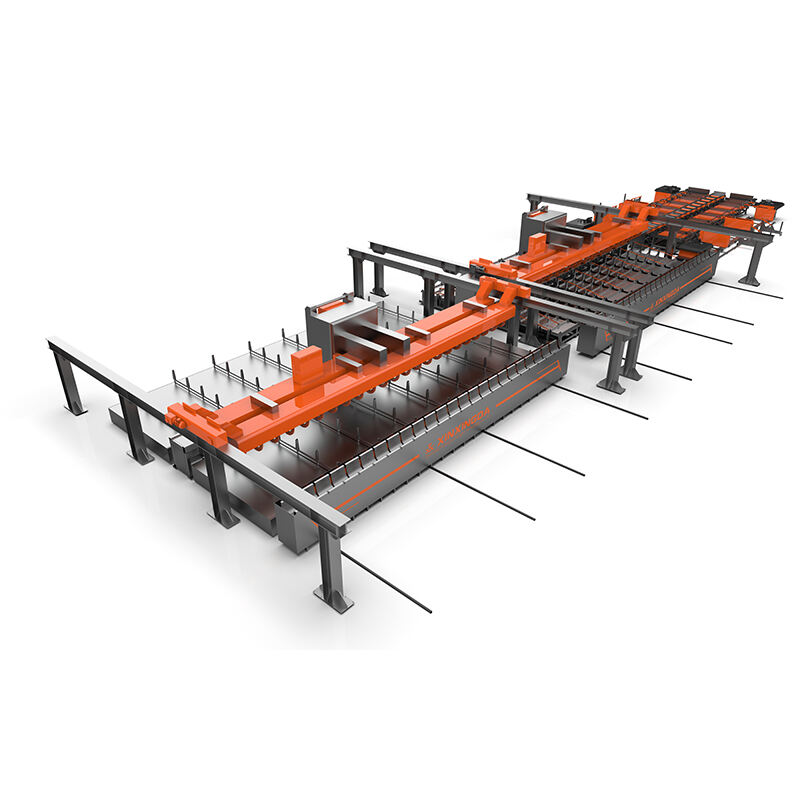
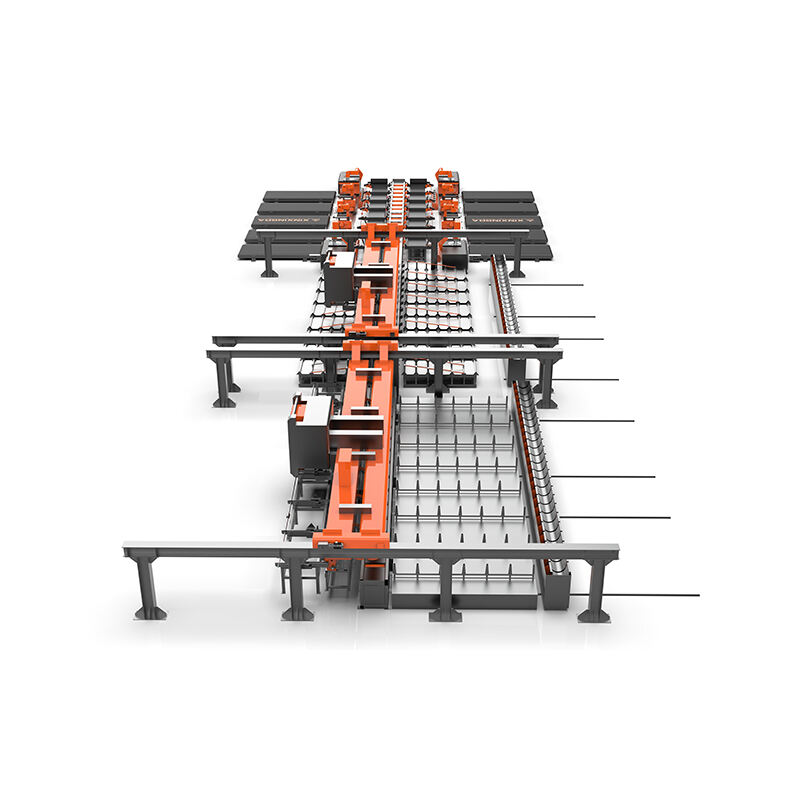
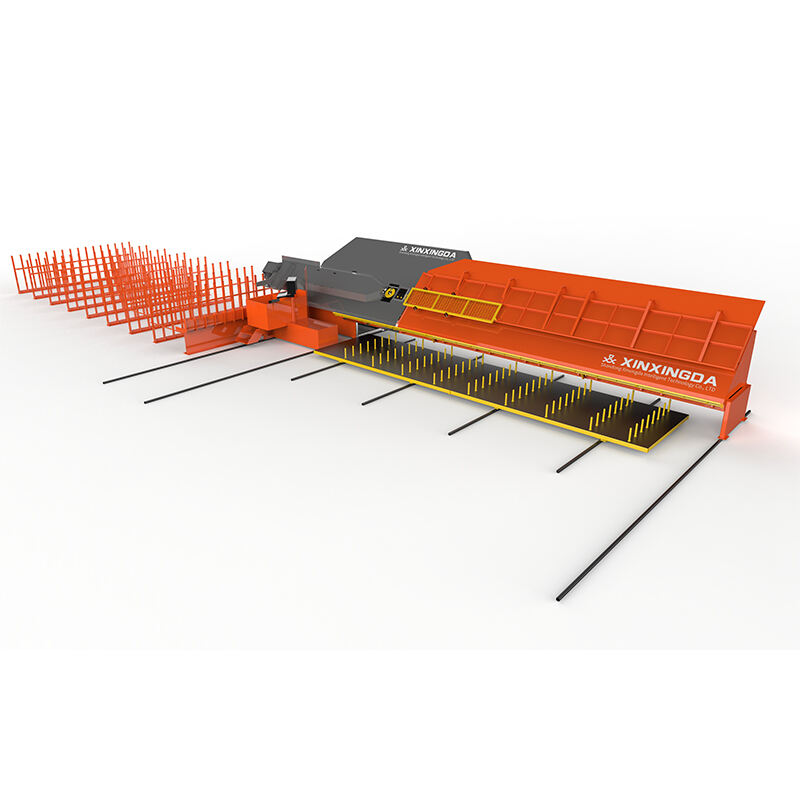
Welding industrial robots represent a revolutionary advancement in manufacturing technology, transforming how companies approach metal fabrication and assembly processes. These sophisticated automated systems combine precision engineering with cutting-edge software to deliver consistent, high-quality welds across various industrial applications. Modern welding industrial robots integrate multiple technologies including six-axis articulation, advanced sensor systems, and intelligent programming capabilities that enable them to perform complex welding tasks with remarkable accuracy. The primary functions of welding industrial robots encompass spot welding, arc welding, laser welding, and resistance welding operations. These machines excel at maintaining consistent weld quality through precise torch positioning, optimal travel speeds, and controlled heat input parameters. Their technological features include programmable logic controllers, vision guidance systems, adaptive welding controls, and real-time monitoring capabilities that ensure superior weld integrity. The robots utilize sophisticated algorithms to adjust welding parameters automatically based on material thickness, joint geometry, and environmental conditions. Contemporary welding industrial robots incorporate collaborative features that allow safe human-robot interaction while maintaining operational efficiency. Their modular designs accommodate various welding processes and can be easily reconfigured for different production requirements. Applications for welding industrial robots span numerous industries including automotive manufacturing, aerospace production, shipbuilding, construction equipment fabrication, and general metalworking. In automotive plants, these robots perform body panel welding, exhaust system assembly, and chassis construction with exceptional repeatability. Aerospace companies rely on welding industrial robots for critical structural components that demand precise heat-affected zone control and consistent penetration characteristics. The construction industry benefits from automated welding of structural steel, pipeline fabrication, and heavy machinery assembly where quality and speed are essential requirements.

 EN
EN