All Categories

Get a Free Quote

Our representative will contact you soon.
Email
Name
Company Name
Mobile / WhatsApp
Message
0/1000
steel rebar bending machine-1

Home > 

steel rebar bending machine

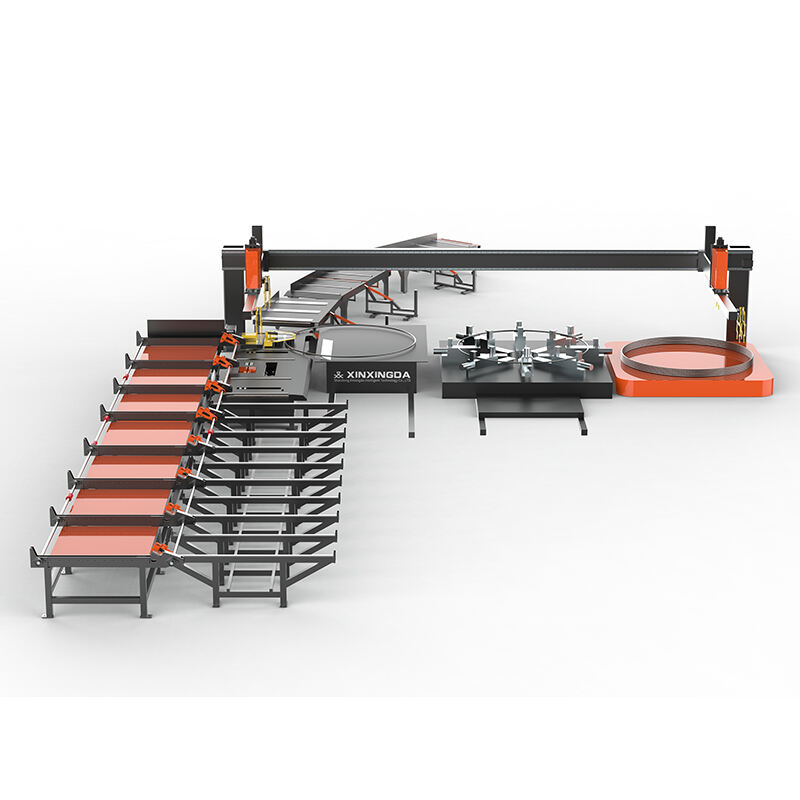
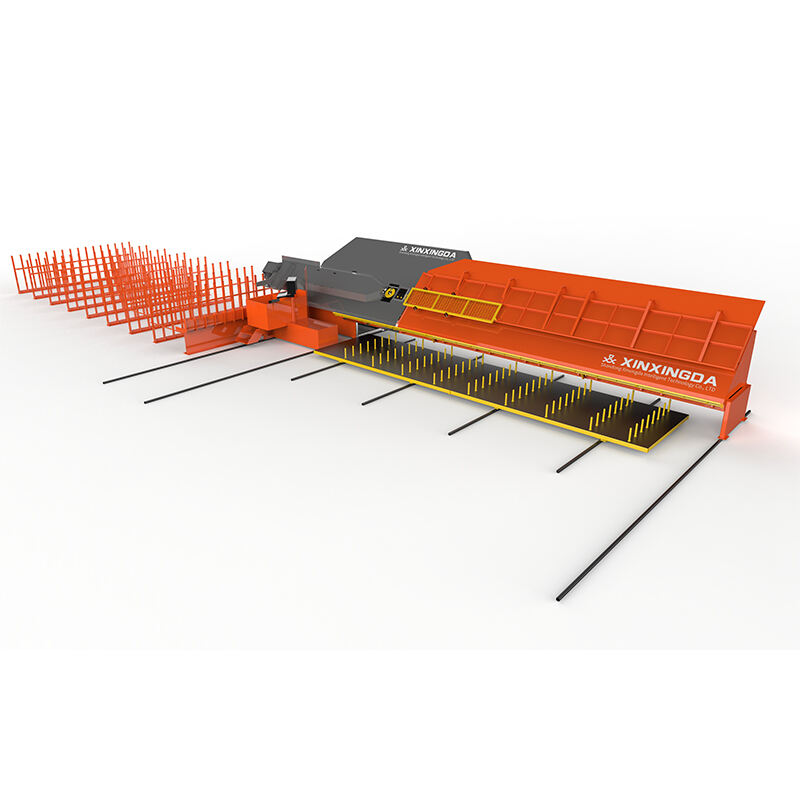
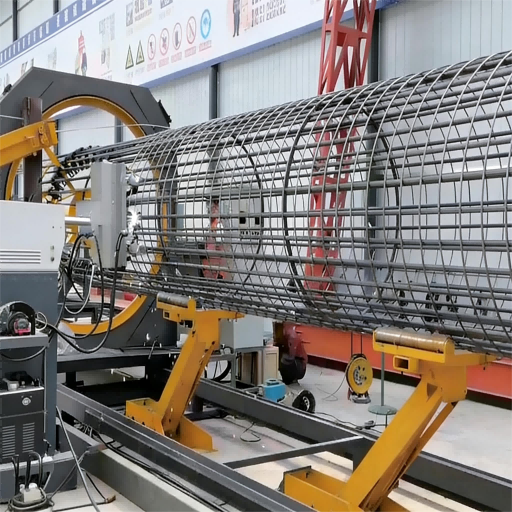
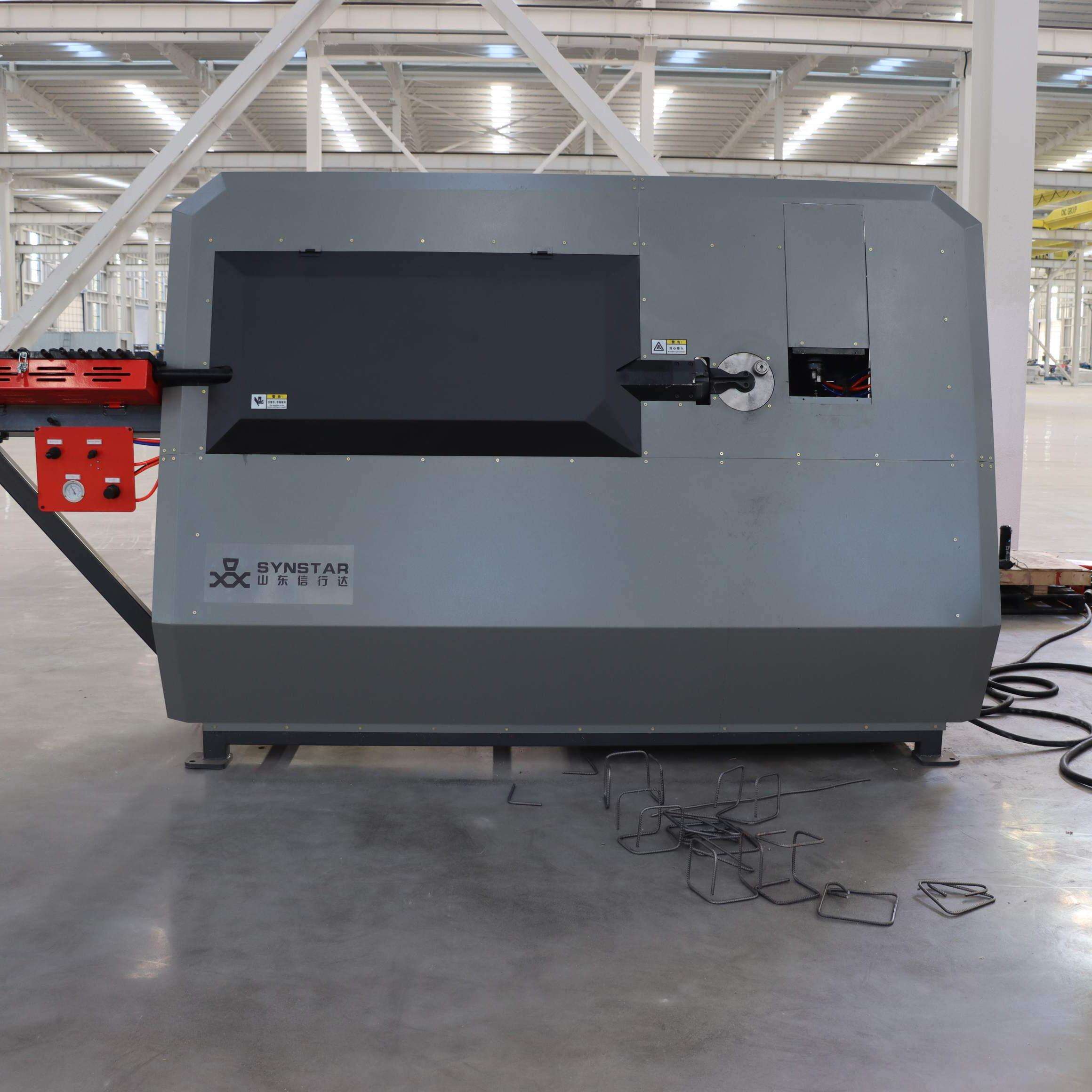
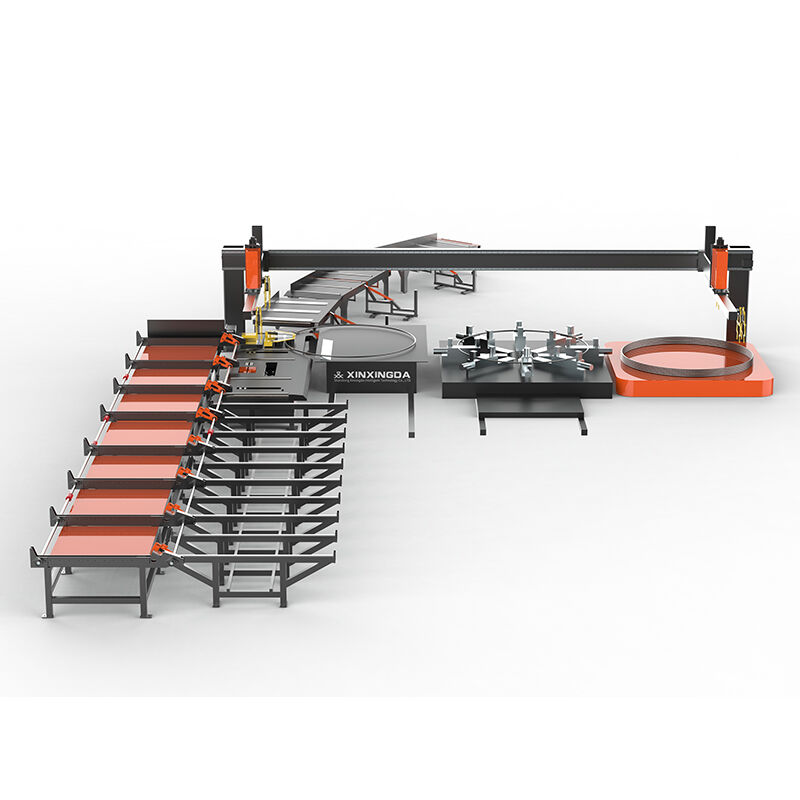
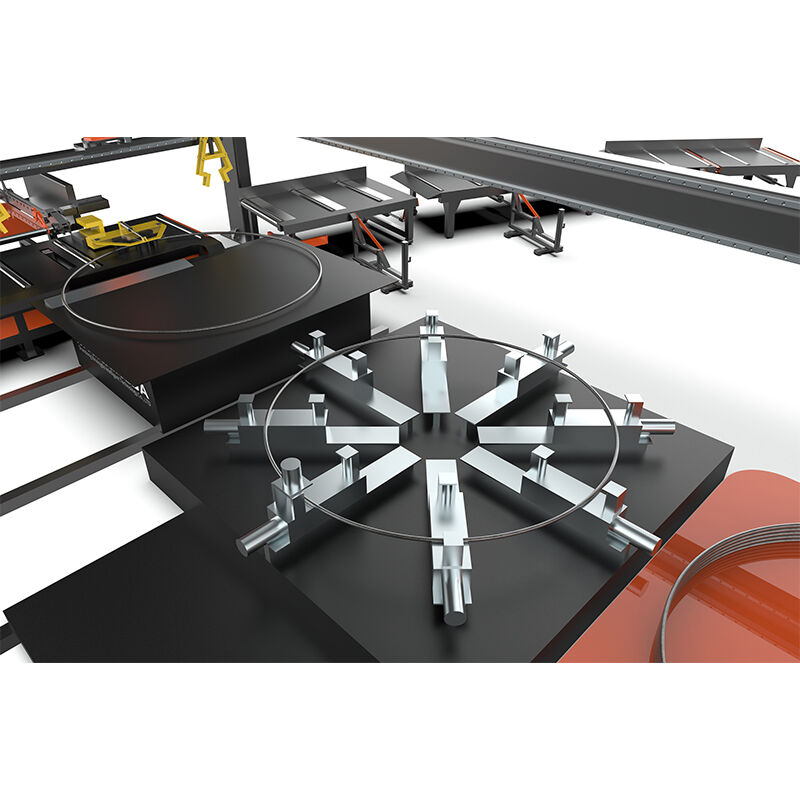
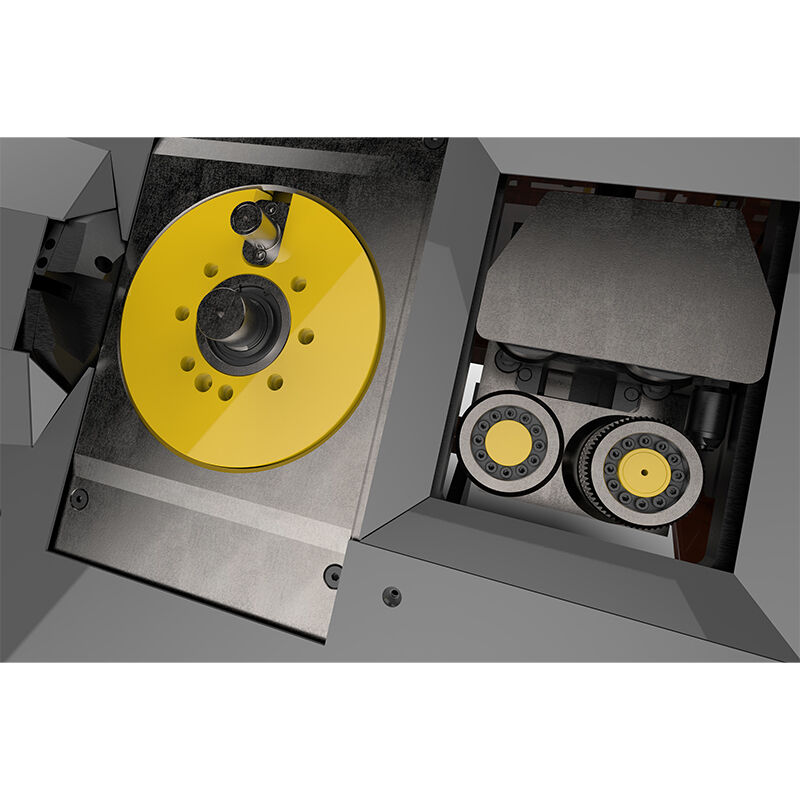
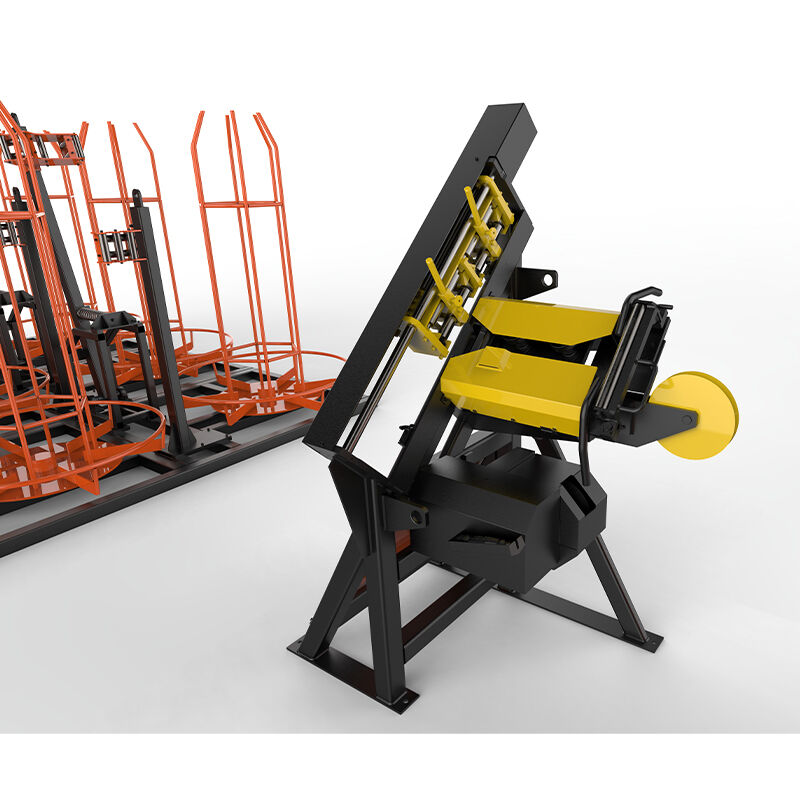
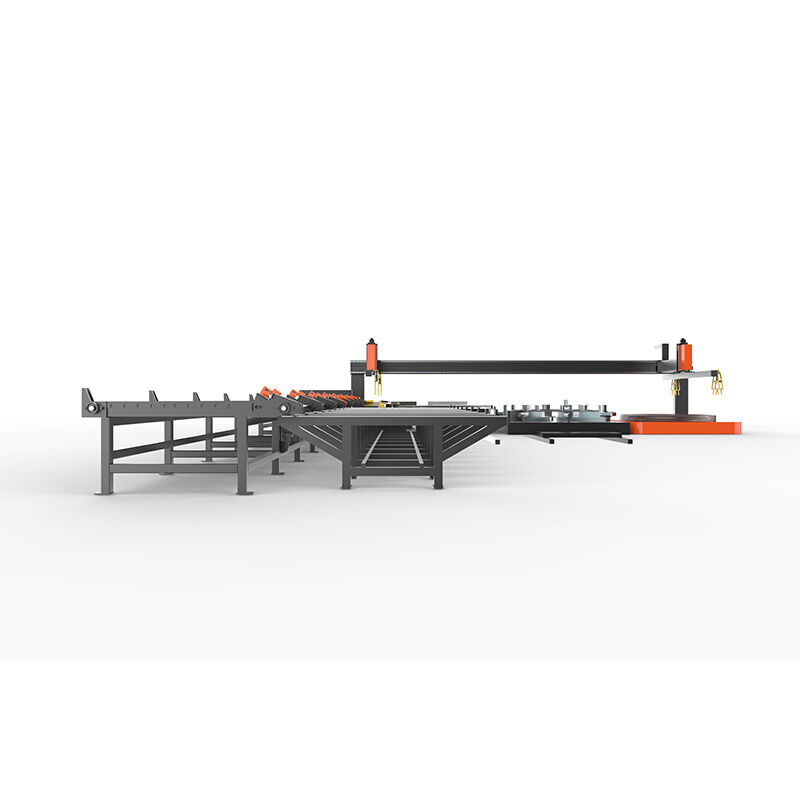
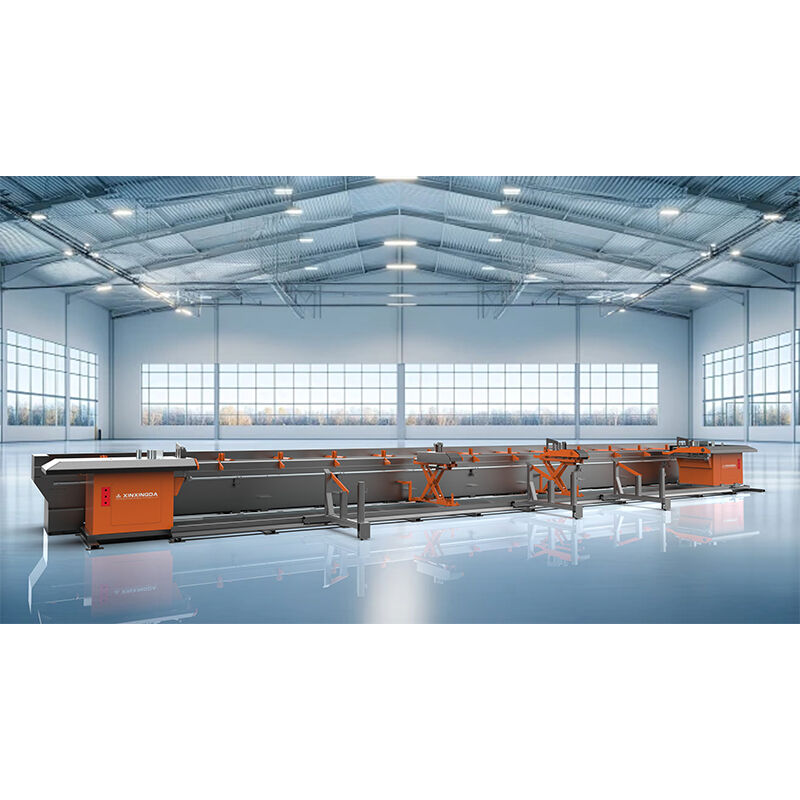
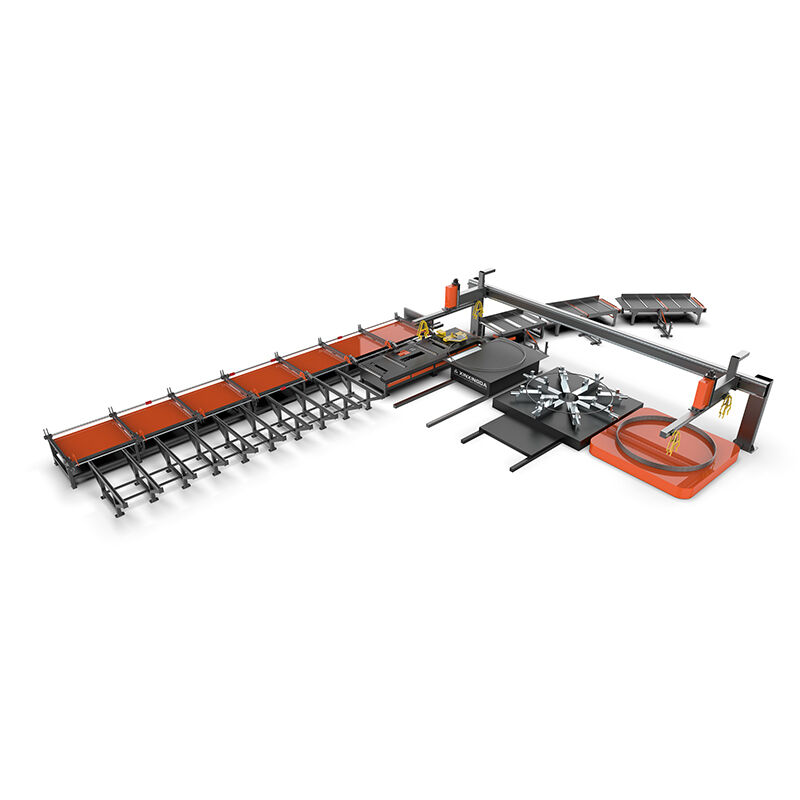
A steel rebar bending machine represents an essential piece of construction equipment designed to bend reinforcing steel bars into precise configurations required for concrete reinforcement projects. This specialized machinery transforms straight steel rebars into various shapes including hooks, stirrups, spirals, and custom angles with exceptional accuracy and consistency. The steel rebar bending machine operates through a combination of mechanical leverage, hydraulic power, or electric motors that apply controlled force to bend steel bars according to predetermined specifications. Modern steel rebar bending machines incorporate advanced control systems that allow operators to program multiple bending sequences, ensuring repeatable results across large production runs. The primary function of this equipment centers on creating reinforcement components that strengthen concrete structures in buildings, bridges, roads, and infrastructure projects. These machines accommodate various rebar diameters typically ranging from 6mm to 50mm, depending on the specific model and application requirements. The technological features of contemporary steel rebar bending machines include digital displays, programmable controllers, automatic feeding systems, and safety mechanisms that protect operators during operation. Many units feature servo-driven systems that provide precise angle control and consistent bending quality. The machines often incorporate material handling capabilities that streamline workflow by automatically positioning rebars for subsequent bending operations. Applications for steel rebar bending machines span across commercial construction, residential building projects, precast concrete manufacturing, and infrastructure development. Construction companies utilize these machines to fabricate reinforcement components on-site or in dedicated fabrication shops, reducing material waste and improving project timelines. The versatility of modern steel rebar bending machines allows them to handle complex bending patterns required for architectural concrete elements, foundation systems, and specialized structural components that demand precise reinforcement placement.


New Products

Steel rebar bending machines deliver significant productivity improvements that directly impact construction project efficiency and profitability. These machines complete bending operations in seconds rather than minutes required for manual methods, allowing construction teams to process hundreds of rebars per hour compared to dozens through traditional techniques. The automated nature of steel rebar bending machines eliminates physical strain on workers, reducing workplace injuries and improving overall job site safety. Workers no longer need to manually manipulate heavy steel bars using basic tools, which often resulted in back injuries and repetitive strain problems. The precision capabilities of modern steel rebar bending machines ensure consistent bend angles and dimensions across all fabricated pieces, eliminating variations that occur with manual bending methods. This consistency translates into better structural integrity and reduced concrete waste since properly bent rebars fit precisely into formwork without requiring field adjustments. Cost savings represent another major advantage as steel rebar bending machines reduce labor requirements while maximizing material utilization. The machines minimize steel waste by accurately calculating bend allowances and producing components to exact specifications without trial-and-error adjustments. Quality control improves dramatically because steel rebar bending machines produce uniform results that meet engineering specifications consistently. This reliability reduces the risk of structural defects and potential liability issues associated with improperly bent reinforcement. The machines also enhance project scheduling flexibility by enabling fabrication shops to prepare reinforcement components in advance of concrete placement activities. Construction managers can better coordinate trades and optimize construction sequences when reinforcement is readily available. Additionally, steel rebar bending machines support complex architectural designs that would be extremely difficult or impossible to achieve through manual methods. The ability to create precise spirals, multi-angle bends, and intricate shapes opens new possibilities for innovative concrete structures. Training requirements are minimal since modern steel rebar bending machines feature intuitive controls and automated functions that reduce operator skill dependencies. Most workers can become proficient with basic operations within hours rather than the extensive training periods required for manual bending techniques. The return on investment for steel rebar bending machines typically occurs within months due to labor savings, improved productivity, and reduced material waste, making them economically attractive for companies of various sizes.

Tips And Tricks

How to Maintain a Circle and Arc Bending Machine for Consistent Output

04

Jan

How to Maintain a Circle and Arc Bending Machine for Consistent Output

Modern manufacturing facilities rely heavily on specialized equipment to achieve precision forming operations, and the circle and arc bending machine stands as a cornerstone tool for creating consistent curved profiles in metal fabrication. These sop...
View More
What Features Define Reliable Steel Bar Processing Equipment

04

Jan

What Features Define Reliable Steel Bar Processing Equipment

Modern construction and manufacturing industries depend heavily on reliable steel bar processing equipment to maintain efficiency, precision, and safety standards. The quality of steel bar processing equipment directly impacts project timelines, mate...
View More
Which Features Matter Most When Buying a Rebar Stirrup Bender

28

Feb

Which Features Matter Most When Buying a Rebar Stirrup Bender

Construction professionals seeking efficient reinforcement fabrication solutions must carefully evaluate equipment specifications when investing in automated bending machinery. Modern rebar stirrup bender technology has revolutionized how contractors...
View More
Which Features Define a Reliable CNC Steel Bar Bending Machine

30

Mar

Which Features Define a Reliable CNC Steel Bar Bending Machine

Selecting the right CNC steel bar bending machine requires careful evaluation of specific features that determine operational reliability, production efficiency, and long-term performance. Modern construction and manufacturing projects demand equipme...
View More

Get a Free Quote

Our representative will contact you soon.
Email
Name
Company Name
Mobile / WhatsApp
Message
0/1000

steel rebar bending machine

Advanced Programmable Control System

Advanced Programmable Control System

The sophisticated programmable control system integrated into modern steel rebar bending machines revolutionizes reinforcement fabrication by enabling operators to store, recall, and execute complex bending sequences with unprecedented precision and efficiency. This technological advancement represents a fundamental shift from traditional manual methods to computer-controlled automation that ensures consistent results across thousands of fabricated pieces. The control system features a user-friendly interface that allows operators to input bending parameters including angles, dimensions, and sequences through intuitive touchscreen displays or digital keypads. Once programmed, the steel rebar bending machine can reproduce identical bending patterns repeatedly, eliminating human error and variations that commonly occur with manual fabrication methods. The system stores multiple program files, enabling fabrication shops to quickly switch between different reinforcement configurations for various projects without time-consuming setup procedures. This capability proves particularly valuable for companies handling multiple construction projects simultaneously, as operators can instantly recall stored programs for specific building types or structural elements. The programmable control system also incorporates advanced safety features that monitor operational parameters and automatically stop the machine if unsafe conditions are detected. These safety protocols protect both equipment and personnel while maintaining productivity levels. Additionally, the system provides real-time feedback on bending progress, allowing operators to monitor production rates and quality metrics throughout fabrication operations. The control system's memory capacity accommodates hundreds of different bending programs, making it suitable for large fabrication shops that handle diverse reinforcement requirements. Integration capabilities allow the steel rebar bending machine to connect with external systems such as inventory management software and production planning tools, streamlining overall workflow and improving project coordination. The programmable features extend to material handling functions, where the system can coordinate automatic feeding and positioning of rebars to optimize production efficiency. This level of automation reduces operator fatigue while maintaining consistent production quality throughout extended operating periods.
Exceptional Precision and Repeatability

Exceptional Precision and Repeatability

The exceptional precision and repeatability achieved by modern steel rebar bending machines establishes new standards for reinforcement fabrication quality that directly impacts structural integrity and construction project success. This precision stems from advanced mechanical designs that incorporate servo motors, precision gears, and robust construction that minimizes deflection and maintains accurate positioning throughout the bending process. The steel rebar bending machine achieves bend angle accuracy within plus or minus one degree, ensuring that fabricated reinforcement components meet strict engineering specifications required for critical structural applications. This level of precision surpasses manual bending methods by significant margins, where variations of several degrees commonly occur due to human limitations and tool inconsistencies. The repeatability aspect ensures that each subsequent piece matches the first within extremely tight tolerances, creating uniform reinforcement assemblies that fit perfectly into concrete forms without field modifications. This consistency eliminates the costly delays and material waste associated with incorrectly bent rebars that require replacement or extensive field adjustments. The precision capabilities enable fabrication of complex reinforcement shapes including multi-angle bends, spirals, and custom configurations that would be extremely difficult to achieve manually. Construction projects requiring architectural concrete elements benefit significantly from this precision, as decorative and structural requirements demand exact reinforcement placement. The steel rebar bending machine maintains its accuracy across various rebar sizes and steel grades, adapting automatically to material properties while preserving dimensional accuracy. Quality assurance processes become more reliable when using precision equipment, as fabricated components consistently meet design specifications without extensive inspection and rework. The precision extends to production planning, where contractors can confidently order exact quantities of steel knowing that waste will be minimal due to accurate fabrication. This predictability improves project budgeting and reduces material costs associated with overordering to compensate for fabrication errors. Additionally, the precision capabilities support just-in-time delivery schedules where reinforcement components arrive exactly when needed for concrete placement, reducing storage requirements and improving construction site efficiency.
Versatile Multi-Diameter Capability

Versatile Multi-Diameter Capability

The versatile multi-diameter capability of contemporary steel rebar bending machines provides construction companies with comprehensive solutions that accommodate diverse reinforcement requirements across various project types and structural applications. This adaptability eliminates the need for multiple specialized machines, reducing equipment investments and simplifying fabrication operations while maintaining high productivity levels. Modern steel rebar bending machines handle rebar diameters ranging from small 6mm bars used in residential applications to large 50mm bars required for heavy infrastructure projects, providing unprecedented flexibility for fabrication shops serving diverse market segments. The machine automatically adjusts bending parameters including force application, speed, and tooling positions to accommodate different bar sizes without requiring extensive manual setup procedures. This automatic adaptation ensures optimal bending quality across the entire diameter range while protecting both the equipment and the steel bars from damage that could occur with improper settings. The multi-diameter capability extends to different steel grades and types, including standard reinforcing bars, epoxy-coated rebars, and stainless steel reinforcement used in specialized applications. Each material type requires specific handling characteristics that the steel rebar bending machine accommodates through programmable settings that optimize bending parameters for material properties. This versatility proves particularly valuable for contractors working on mixed-use developments where different structural elements require various reinforcement specifications within the same project. The machine's ability to quickly transition between different bar sizes supports efficient production scheduling where operators can fabricate multiple reinforcement types in sequence without significant downtime. Tool changing systems on advanced steel rebar bending machines enable rapid diameter transitions, often accomplished within minutes rather than hours required for traditional equipment. This efficiency allows fabrication shops to accept diverse orders and maintain competitive lead times regardless of reinforcement complexity. The multi-diameter capability also supports inventory management strategies where companies can maintain fewer steel bar sizes in stock while still meeting diverse customer requirements through flexible fabrication capabilities. Construction projects benefit from standardized fabrication processes that ensure consistent quality regardless of rebar size or application, simplifying quality control procedures and reducing the risk of errors associated with multiple fabrication methods.

Get a Free Quote

Our representative will contact you soon.
Email
Name
Company Name
Mobile / WhatsApp
Message
0/1000