On modern construction sites in China, a silent revolution is quietly transforming the forest of steel reinforcement bars. At six in the morning, before the first rays of sunlight have fully illuminated the construction site, CNC rebar bending machines have already completed the production of hundreds of standardized main reinforcement bars—a total that would require three skilled workers working for eight full hours. This is not a vision of the future, but rather a reality that is becoming increasingly prevalent on construction sites across China.
The hidden costs of the old model: Before the popularization of CNC processing technology, rebar processing was long confined to the most primitive "anvil and wrench" stage. Mr. Li, a rebar worker in Beijing with thirty years of experience, recalled: "We relied on our eyes for measurement and our touch for bending, producing a maximum of 200 simple main reinforcement bars a day. Complex shapes required repeated adjustments, and deviations were inevitable, resulting in significant material waste." This production method, relying on human experience, seemed increasingly inadequate in the face of the demand for fast, high-quality, and large-scale modern construction.
In traditional processing methods, problems such as unstable quality, low efficiency, numerous safety risks, and high processing costs have long plagued the construction industry. According to surveys, before 2015, the average consumption rate of rebar processing on Chinese construction sites was 8%-12%, while Japan maintained a rate of less than 3% during the same period. This difference is precisely due to the difference in automation levels.
The precise dance of the digital revolution: The emergence of CNC rebar bending machines has overturned this situation. Statistics from a smart construction site in Shanghai show that after introducing CNC machinery, rebar processing efficiency increased by 420%, the specification compliance rate jumped from 87% to 99.6%, and the cost per ten thousand tons of rebar was reduced by approximately 1.5 million yuan.
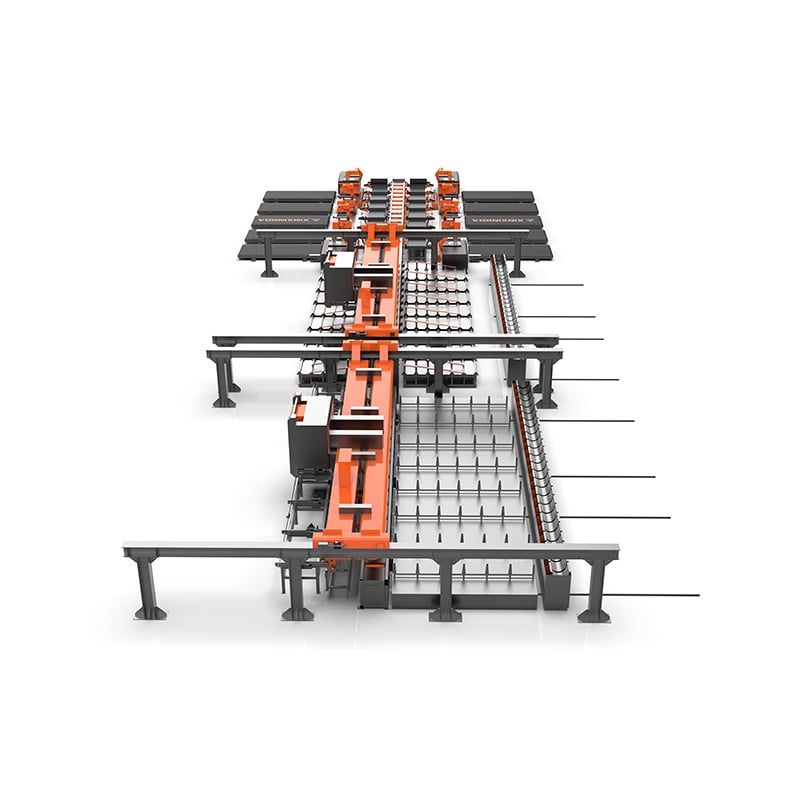
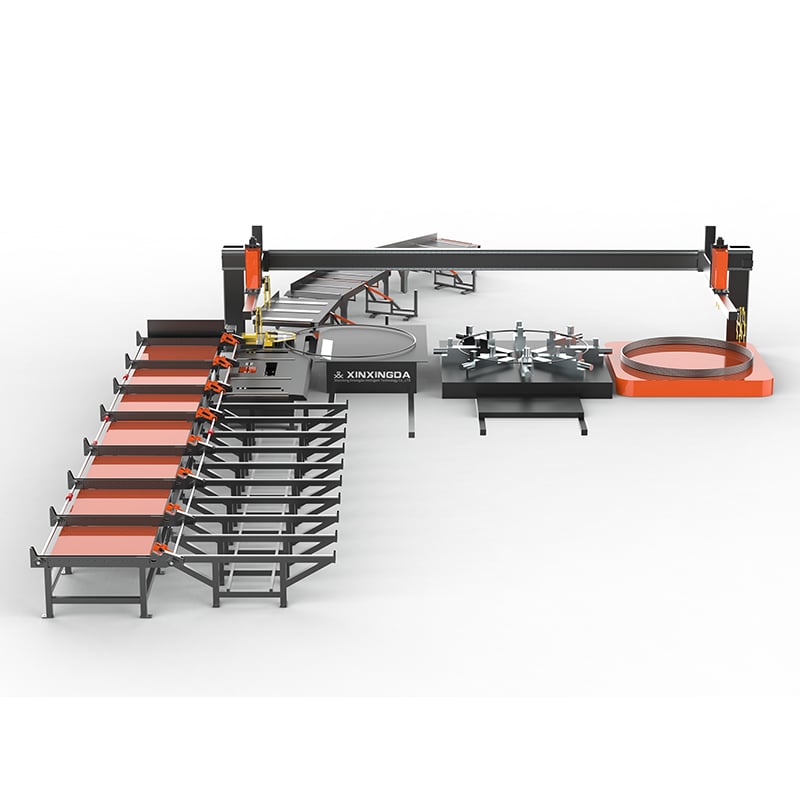
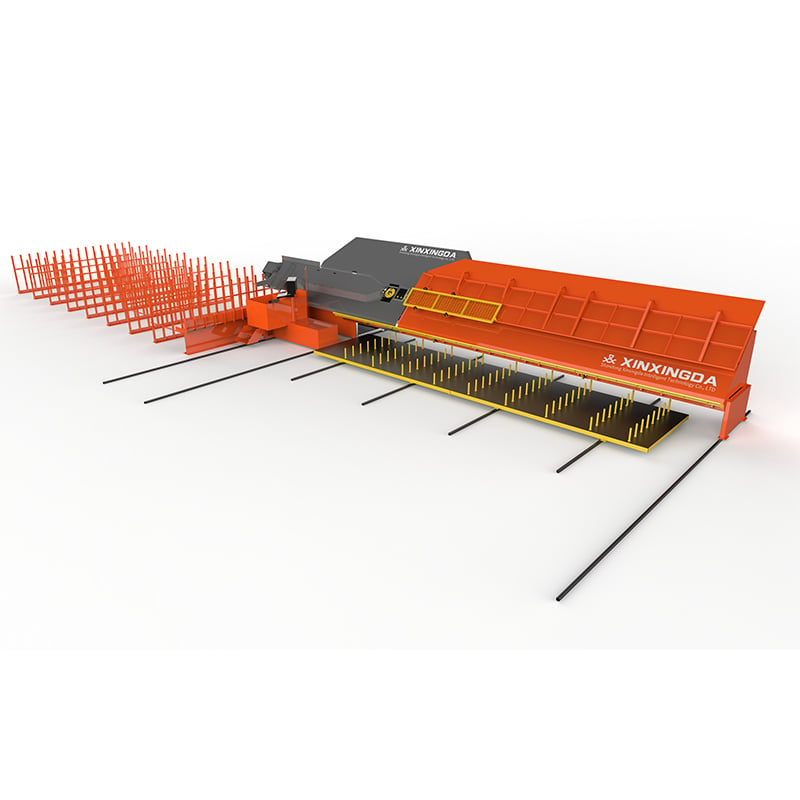
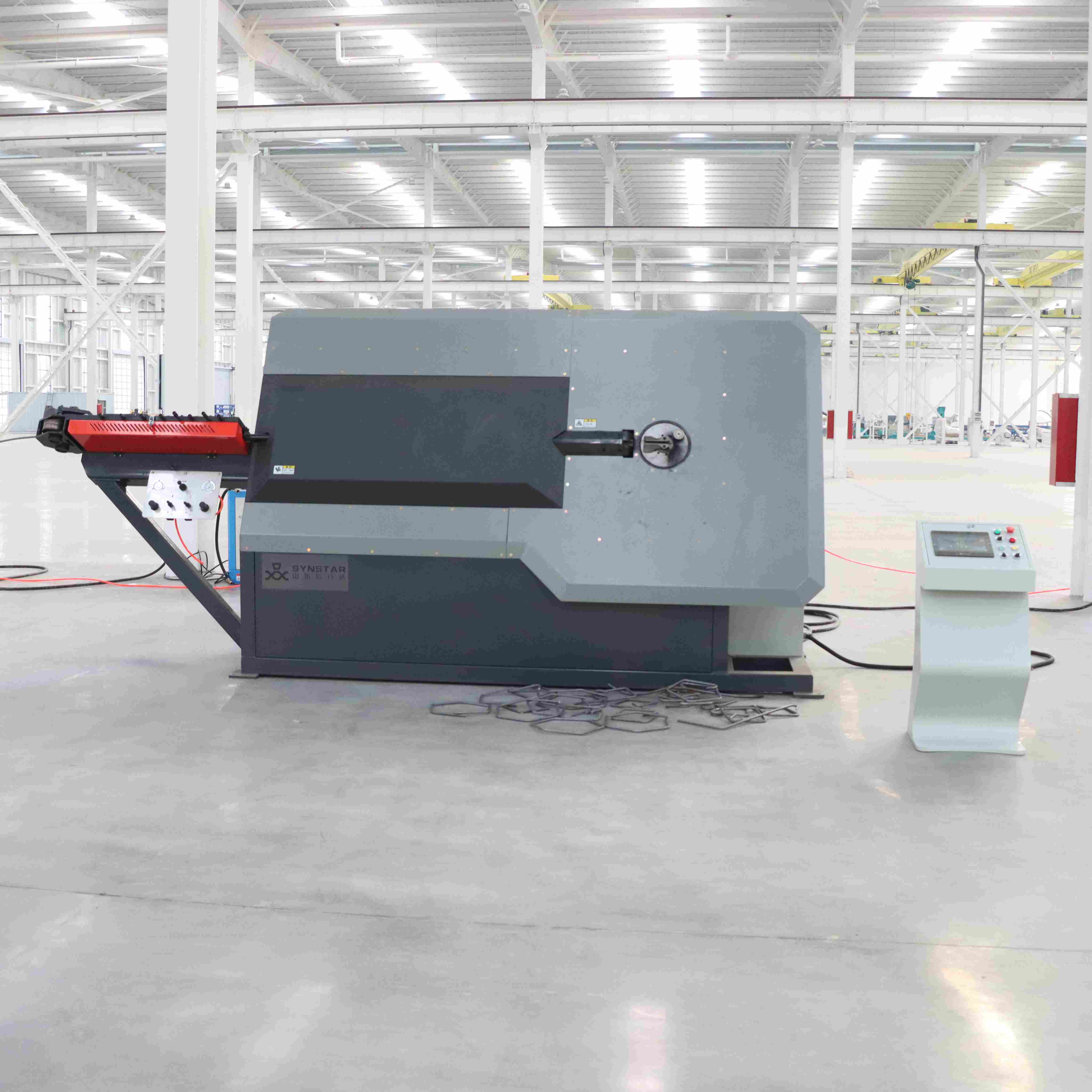
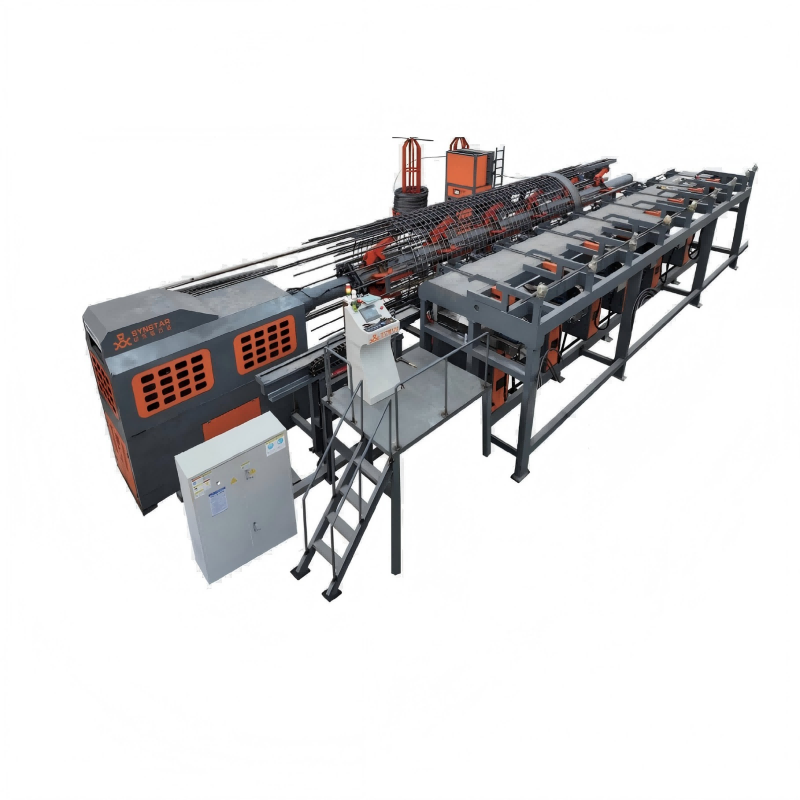
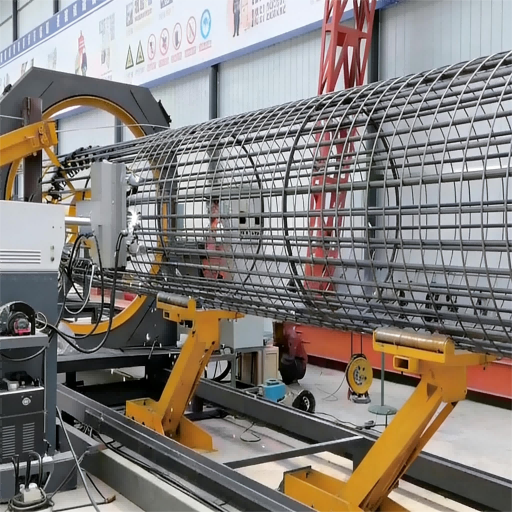
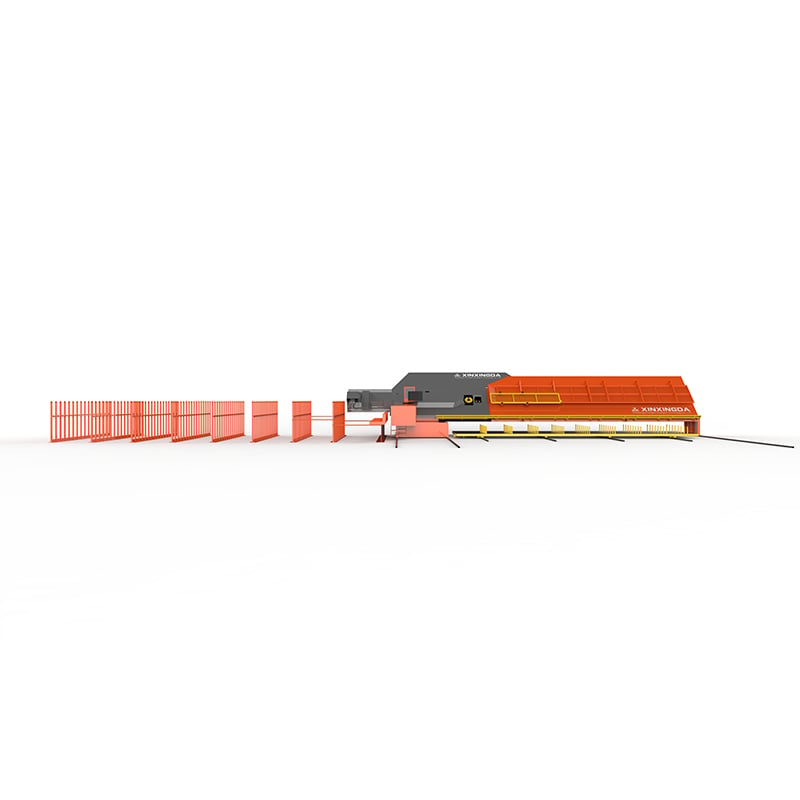
This transformation stems from the "thinking" ability of the equipment. The CNC machine acts like a machine brain, converting the lines on the architectural blueprint into a series of mathematical coordinates and motion commands. After the machine "understands" the engineering drawings, its straightening system straightens the rebar with precise force, and the bending module, under hydraulic control, performs multi-directional bending in the preset area with millimeter-level accuracy. The entire process, from feeding and bending to cutting, is completely automated, forming a small-scale production line. The emergence of digitally controlled rebar bending machines has fundamentally transformed the green ecological system of construction sites, completely restructuring the traditional construction site ecosystem. In a construction project planned in the Xiong'an New Area, a processing core composed of 20 CNC machines replaced the massive team of 200 rebar workers previously required. Workers were freed from repetitive manual labor and instead engaged in equipment maintenance and management, quality control, and technical management.
"Now my job is no longer bending rebar with my head down, but rather monitoring the parameters on the screen to ensure everything runs smoothly," said a young technician born in the 1990s. This transformation not only improved labor efficiency but also created new skill requirements – composite workers who understand machinery, can program, and can read blueprints have become highly sought after.
In terms of material management, CNC machines actively integrate with BIM (Building Information Modeling) and ERP (Enterprise Resource Planning) systems, achieving full traceability of rebar from raw materials to processing. Each finished rebar piece carries a "digital identity card," recording its specifications, purpose, and installation method, providing comprehensive quality assurance for the building.
Innovation and Future Prospects: Currently, CNC rebar bending machines are developing towards greater intelligence. Machines integrated with the Internet of Things can submit real-time equipment operating status, and cloud-based trend analysis can predict maintenance needs; rebar bending machines equipped with visual inspection systems can automatically detect surface cracks in rebar, removing substandard materials in advance; and artificial intelligence-based optimization algorithms can self-adjust process parameters based on historical data, achieving continuous improvement and becoming "smarter" over time.
Even more revolutionary changes are occurring in the field of human-machine collaboration. The latest generation of equipment supports augmented reality (AR) assisted operation. Workers can see virtual processing directions and finished product effects through AR glasses, greatly reducing the operating threshold. Furthermore, modular design allows for quick function switching, enabling one machine to meet the processing requirements of various complex components.
Reshaping the Industry's Underlying Thinking: The value of CNC rebar bending machines extends far beyond improving the efficiency of individual processes. It is driving a profound transformation of the construction industry from "on-site construction" to "factory manufacturing and on-site assembly." In the context of the rapid development of prefabricated housing, standardized reinforced concrete components are prefabricated in factories and then directly installed on-site. This shortens the construction period by more than 30%, reduces the total number of production operations by 60%, and results in more reliable building quality.
This transformation is also forcing a reshaping of the entire industry chain. Rebar processing is shifting from on-site construction to specialized manufacturing companies, promoting the development of modern enterprises dedicated to rebar prefabrication. Building design now needs to consider processing feasibility, leading to closer collaboration between designers and manufacturers. The calculation method for construction costs has also shifted from a simple "extensive method" of calculating materials and labor to a "detailed method" that fully considers structural optimization, processing efficiency, and ease of installation.
Conclusion: New intelligence in the concrete jungle: In mega-projects like the Shenzhen Ping An Finance Centre, Beijing Daxing International Airport, and the Hong Kong-Zhuhai-Macau Bridge, CNC rebar bending machines are silently contributing their precision and efficiency. They lack the imposing presence of construction cranes or the flamboyant nature of concrete pumps, yet they are introducing the intelligence of the digital age into the most fundamental aspects of construction.
Rebar is no longer merely a raw material for bearing weight, but through precise calculation and processing, it becomes an integral part of intelligent construction. CNC bending machines, as a key player in this transformation, are demonstrating the harmonious dance of steel and data in countless construction sites with their rational and precise methods. When the last piece of rebar, precisely bent according to digital instructions, is put into place, it bears not only the weight of a building but also the firm steps of an industry moving towards an intelligent future.
 Hot News
2026-05-27
2026-05-18
2026-05-12
2026-05-08
2026-05-01
2026-04-27
Copyright © 2026 Shandong synstar Intelligent Technology Co., Ltd. All rights reserved. - Privacy Policy
 EN
EN