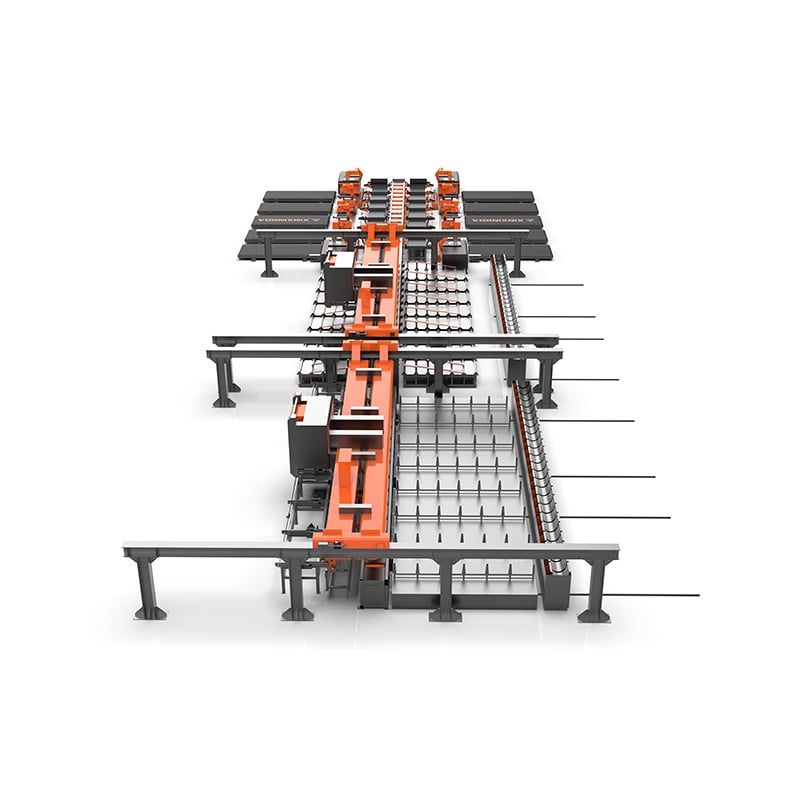
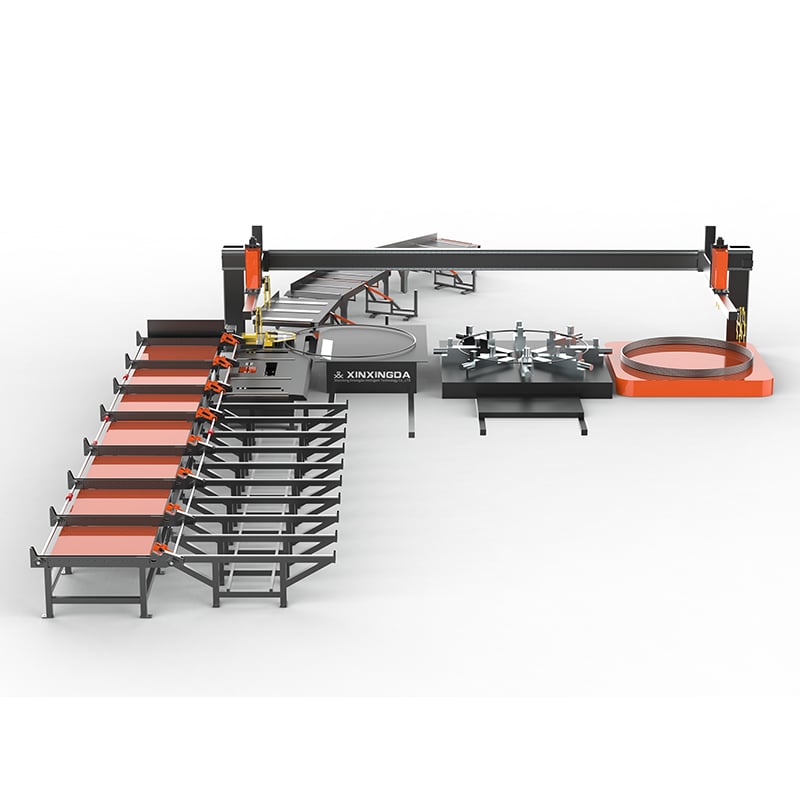
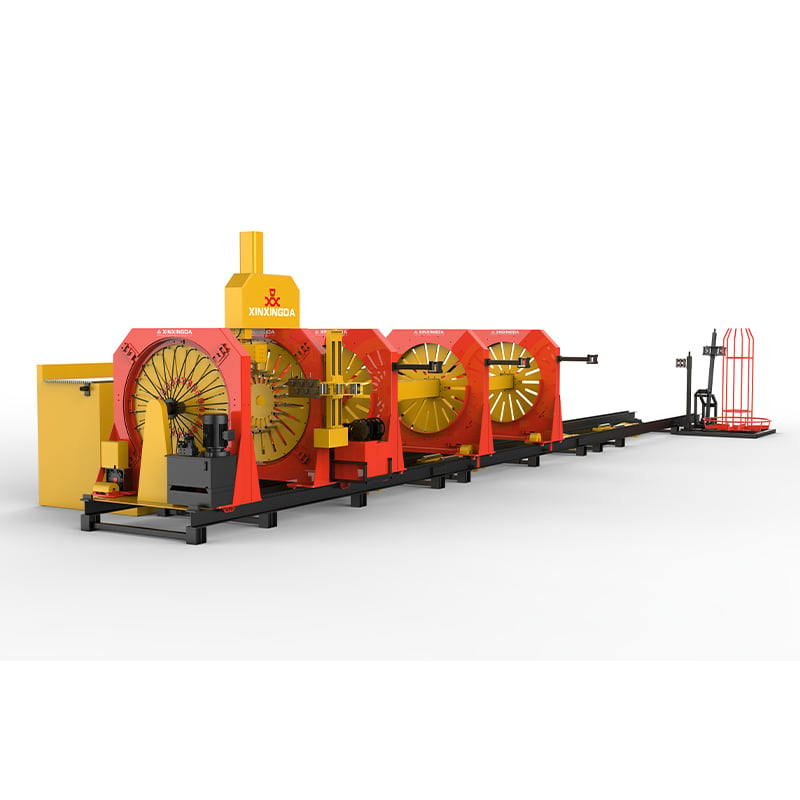
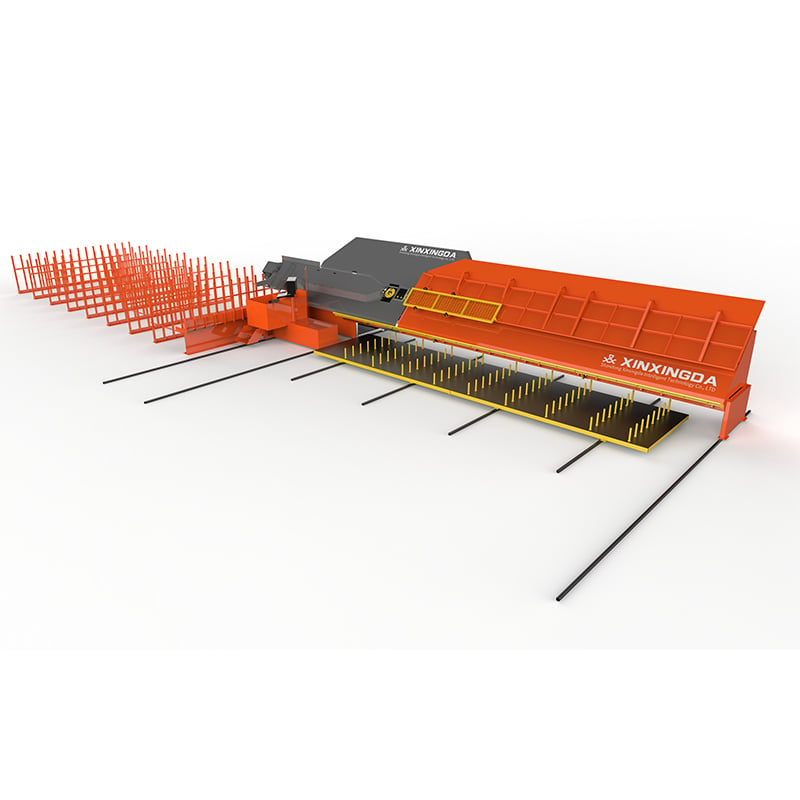
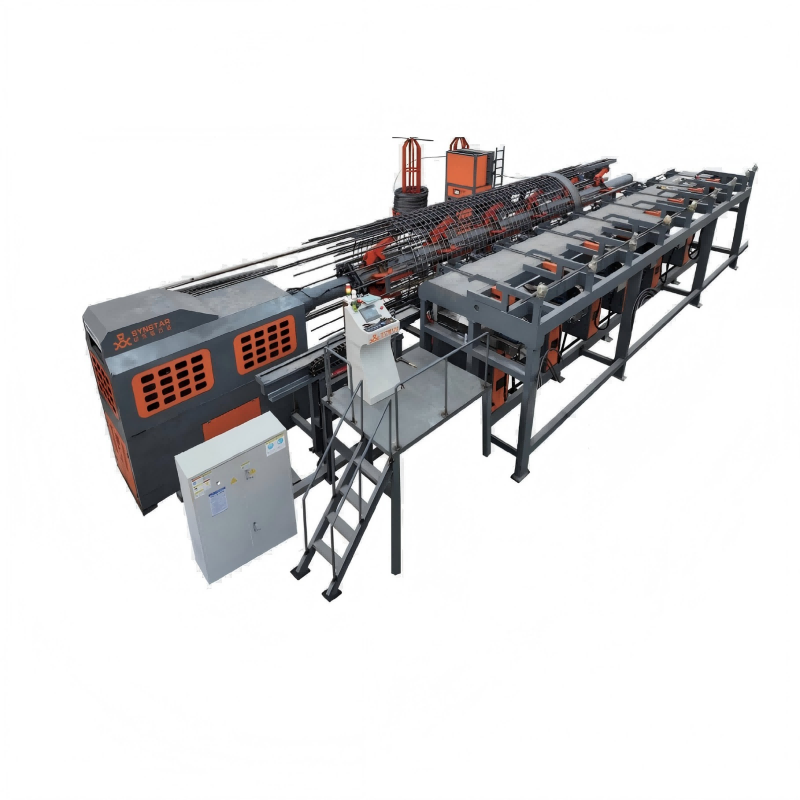
In modern engineering construction, cast-in-place piles serve as a critical framework for pile foundations, bridge piers, and other components. Their processing efficiency and quality directly impact project progress and safety. Traditional manual tying methods can no longer meet the demands of large-scale, standardized engineering projects, making rebar cage rolling welding machines the preferred choice for more and more construction companies. However, faced with a wide variety of models and specifications on the market, choosing a suitable rolling welding machine has become a challenge for many procurement departments. Below, we will comprehensively outline the key purchasing points to help you make an informed decision.
I. Key Parameters: Understanding the "Password" to Equipment Characteristics When selecting a rolling welding machine, the most important technical parameters must be considered, as these directly relate to the equipment's production capacity and application scope.
1. Processing Diameter and Length Range: This is a core capability indicator of the equipment. You need to choose based on the common specifications of cast-in-place piles:
Diameter Range: Common equipment can cover Φ300mm-Φ3500mm. Ensure that the minimum diameter of the selected model is less than and the maximum diameter exceeds your specific needs, and leave sufficient capacity.
Length Range: Standard equipment is generally 6-15 meters, and longer lengths (such as 18 meters, 24 meters) can be achieved through modular design or customization. Determine your basic length requirements and the likely maximum length you will need in the future.
2. Longitudinal and Main Rebar Specifications
Longitudinal Rebar: The diameter range (e.g., Φ12mm-Φ50mm) and number (generally up to 40 or more) of longitudinal rebars that the equipment can handle.
Main Rebar: The diameter range (e.g., Φ6mm-Φ16mm) and pitch adjustment range of the main rebars that can be welded. Ensure the equipment can handle the largest and smallest rebar specifications required in your project.
3. Automation and Control System: The "brain" of modern rolling welding machines is crucial:
Automation Level: High-end models can achieve automatic rebar feeding, welding, and separation, significantly reducing labor costs. Semi-automatic models require manual assistance for feeding.
Control System: Prioritize PLC (Programmable Logic Controller) touch screen software, which offers good stability, intuitive parameters, ease of operation, and fault detection.
Welding System: Pay attention to the number of welding machines, adjustment stability, and welding power quality. High-frequency inverter welding power supplies and switching power supplies have become the preferred choice due to their environmental friendliness, energy efficiency, stable welding, and minimal spatter.
II. Step-by-Step Guide: Five Steps to Securing the Ideal Equipment Having understood the key parameters, you can follow these steps for a systematic purchase:
Step 1: Define Your Needs
Analyze project characteristics: Analyze the main types of projects in the near future and within the next 1-2 years (building pile foundations, bridges, municipal underground utility tunnels, etc.), and statistically analyze the main diameters, lengths, main reinforcement/rebar specifications, and daily/monthly processing volume of the required piles.
Assess the working environment: Accurately measure the installation site dimensions and height restrictions, determine the power supply capacity (usually requiring three-phase 380V), and plan the transportation route.
Determine the budget range: Set a reasonable procurement budget, balancing initial investment with long-term returns.
Step 2: Screen Suppliers and Models
Using website searches, trade shows, and industry recommendations, initially screen 3-5 reputable brands or manufacturers with strong capabilities.
Based on the requirements from Step 1, request detailed technical documents and prices for suitable models from each supplier.
Step 3: In-depth Comparison and Investigation
Technical solution comparison: Carefully compare whether the parameters of each model fully meet and slightly exceed your needs. Pay special attention to the configuration of key components (such as PLC brand, AC servo motor, guide rails, and welding power supply).
On-site inspection (especially important):
Visit the factory: See the equipment production process and installation quality firsthand.
Observe commissioning: Request a trial production using materials similar to your actual model, and witness and verify the processing efficiency, welding quality, cage parallelism, and operational reliability.
Investigate customer sites: If possible, visit construction companies that have already purchased the equipment to understand their real feedback on long-term use, including equipment failure rate and after-sales service response.
Economic benefit calculation: Based on the equipment price, estimated production capacity (meters/day), and the number of workers that can be saved, roughly calculate the return on investment. High-quality equipment, although requiring a higher initial investment, usually offers a lower overall cost advantage due to its mechanical stability and quality. Step 4: Negotiate the Details of Configuration and Services
Final Equipment Configuration: All technical parameters and optional accessories (such as automatic feeding racks, support plate welding equipment, hydraulic systems, etc.) should be formally established in writing.
After-Sales Service Terms: The contract should clearly specify: warranty period (generally 1-2 years), warranty scope, response speed (e.g., telephone support within 24 hours, engineer on-site within 72 hours), whether professional equipment installation, commissioning, and operation training are provided, and the price and availability of spare parts.
Payment and Delivery: Negotiate a scientific and reasonable payment method (generally including down payment, payment upon shipment, payment upon project acceptance, etc.) and a clear supply and assembly schedule.
Step 5: Make the Final Management Decision: Comprehensively evaluate the technical suitability, equipment reliability (based on research), price, after-sales service capabilities, and the overall strength and reputation of the supplier to select the most cost-effective solution with the best cooperation value.
III. Useful Guide to Avoiding Pitfalls: Common Misconceptions and Key Points
Misconception 1: Focusing only on price and neglecting configuration. Low prices often mean reduced key components, weaker structural steel, and rough processing, leading to frequent malfunctions, reduced precision, and shorter lifespan.
Misconception 2: Blindly pursuing specialization and sophistication. Equipment with functions far exceeding actual needs is not only more expensive but also more complex to operate and maintain. The most suitable is the best.
Misconception 3: Focusing on hardware configuration while neglecting software and services. A stable control system and timely professional after-sales service are the "invisible guardians" of long-term stable equipment operation.
Key Points:
Safety: Check if the equipment has necessary safety devices (such as emergency stop buttons, protective covers, leakage protectors, etc.).
Scalability: Consider future needs and understand whether the equipment allows for future upgrades (such as adding automation control modules).
Energy Consumption: Compare the maximum power of different equipment and estimate long-term electricity costs; green building design is worth considering.
Conclusion: Choosing a suitable steel cage rolling welding machine is a business strategy that requires a combination of technical and business acumen. It's not just about buying a machine; it's about introducing a highly efficient "steel tailor" to your production line. By thoroughly analyzing your specific needs, strictly adhering to the investigation process, and avoiding common purchasing misconceptions, you can secure a reliable piece of equipment that will significantly improve engineering quality, reduce production costs, and continuously create value for your projects. In today's era of booming infrastructure development, let an excellent roller welding machine become a powerful and reliable component for your company's sustainable growth.
Final purchasing mantra: Clearly define your needs and key parameters; conduct thorough research and test intelligently; check the brand of critical components and understand the terms of use; avoid chasing cheap deals or blindly following trends; suitability and stability are the guiding principles.
 Hot News
2026-05-27
2026-05-18
2026-05-12
2026-05-08
2026-05-01
2026-04-27
Copyright © 2026 Shandong synstar Intelligent Technology Co., Ltd. All rights reserved. - Privacy Policy
 EN
EN