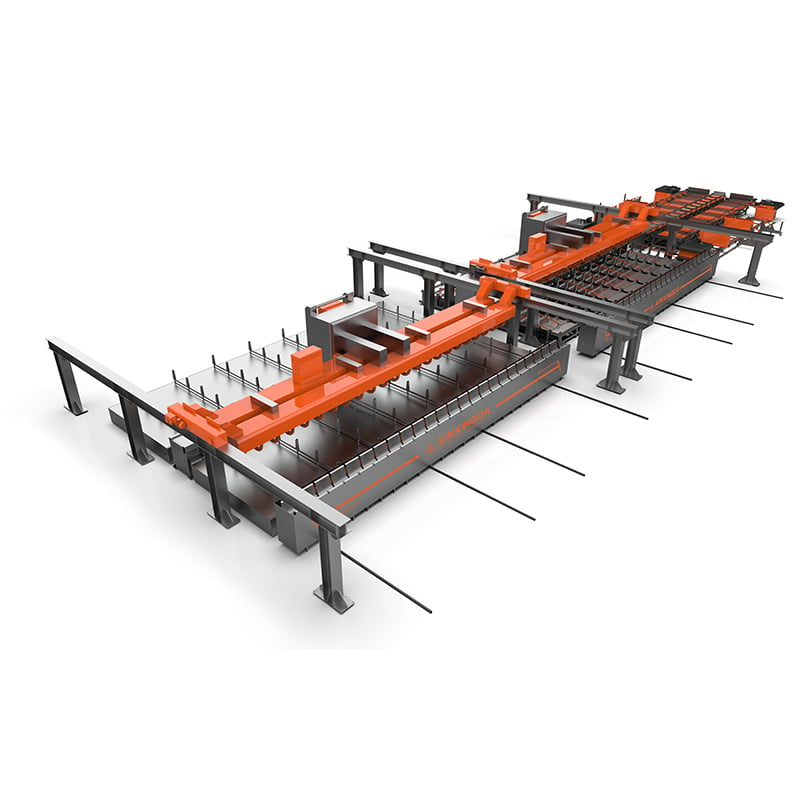
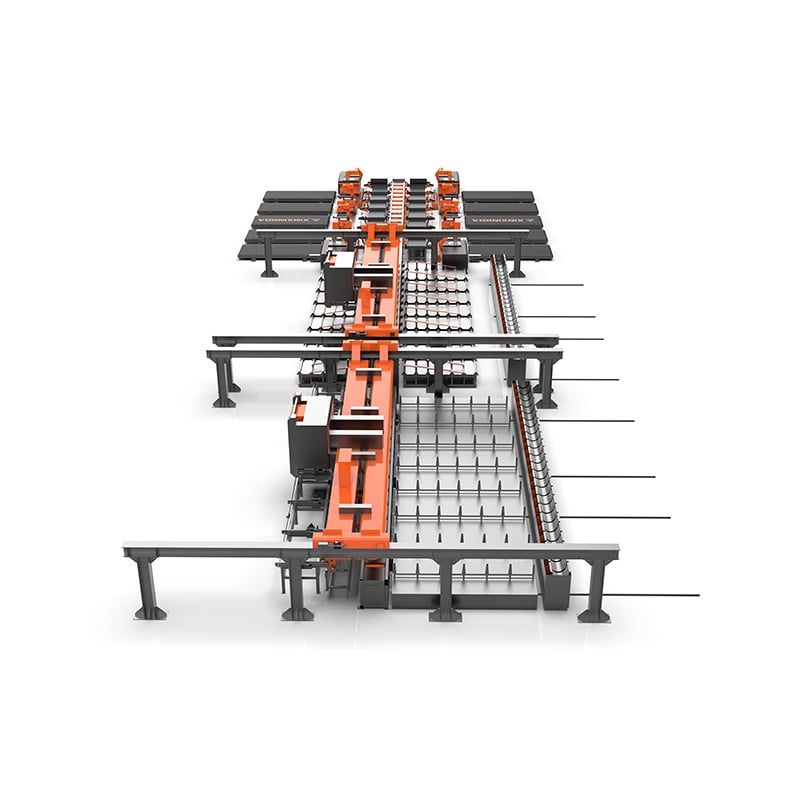
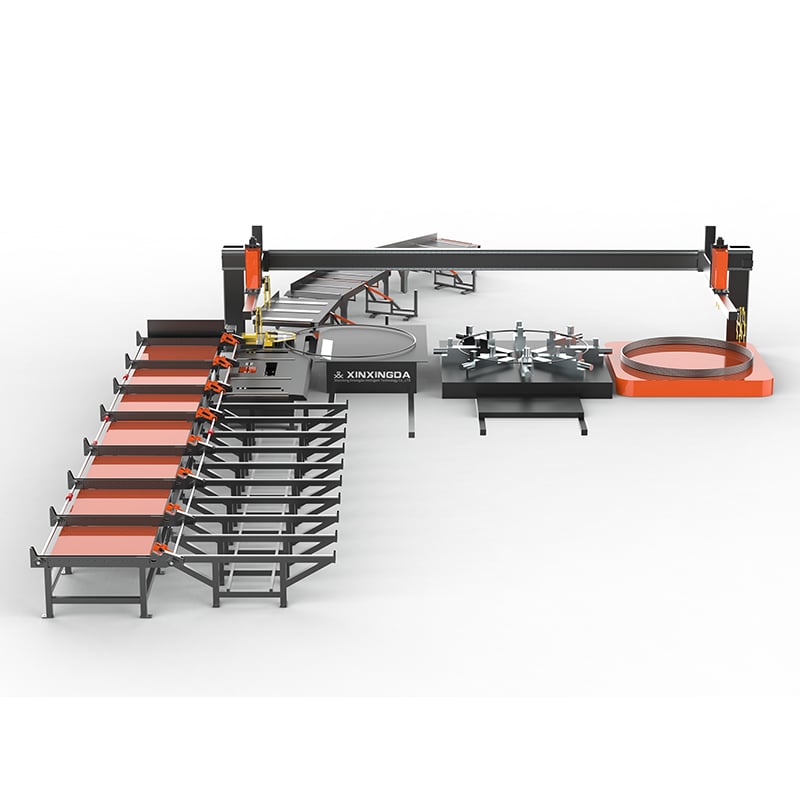
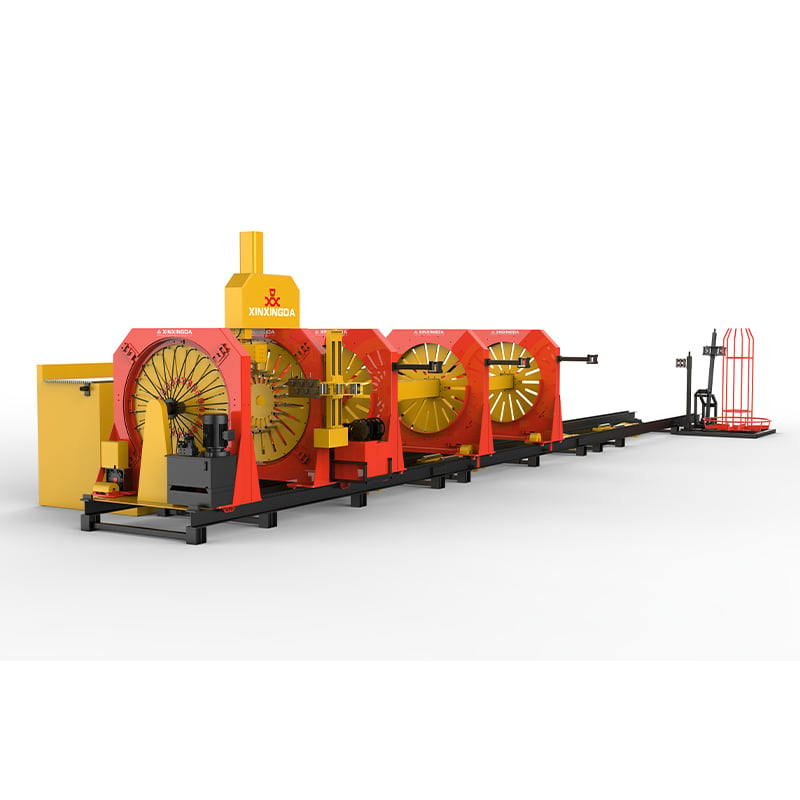
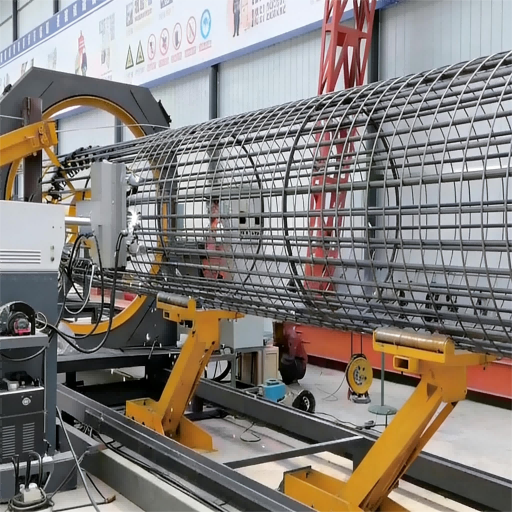
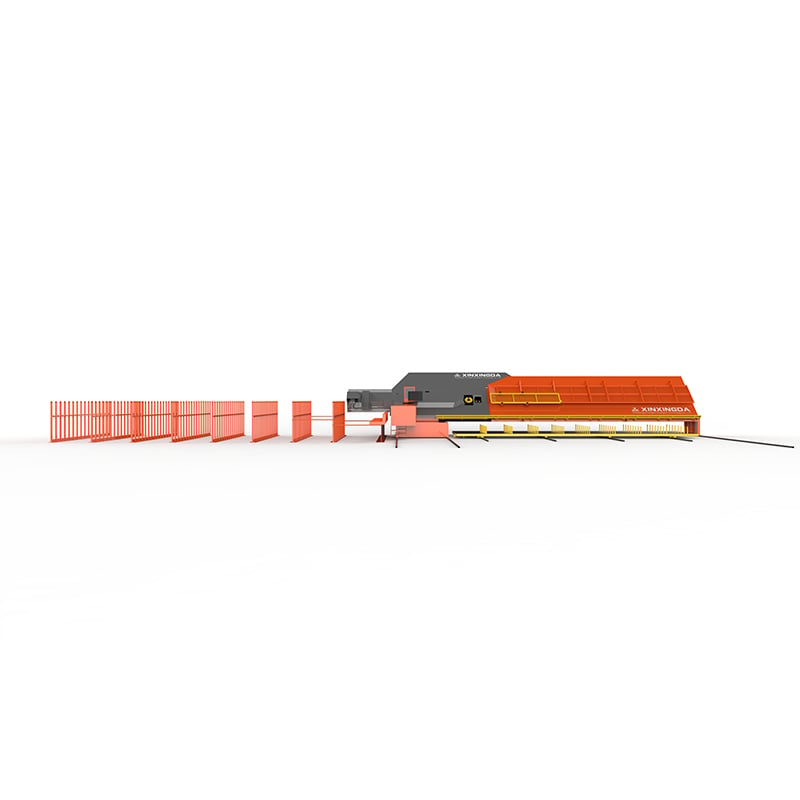
İnşaat ve prefabrike bileşen üretimi alanlarında çelik çubuk eğme ve sarma makinesi, çelik çubuk işleme aşamasında temel ekipman haline gelmiştir. Basit mekanik sarma işlemlerinden yüksek düzeyde otomatikleştirilmiş CNC ekipmanlara kadar bu tür makinelerin maliyet yapısı, yalnızca ekipmanın satın alma fiyatından çok daha fazlasını içerir. Çelik çubuk eğme ve sarma makinelerinin maliyet oluşumunu anlamak için; ekipmanın teknik bileşimi, üretim operasyonu unsurları ve tam yaşam döngüsü yönetimi olmak üzere üç boyutlu bir sistemli analiz gerekmektedir. Bu makale, çelik çubuk eğme ve sarma makinelerinin maliyet oluşum mekanizmasını ve optimizasyon yollarını bu bakış açılarından inceleyecektir.
I. Ekipmanın Teknik Bileşimi: Başlangıç Yatırımı Belirleyen Temel Unsur
Bir çelik çubuk bükme ve sarma makinesinin ilk satın alma maliyeti, teknik mimarisine bağlı olarak belirlenir. Farklı ekipman türleri, mekanik yapı, kontrol sistemleri ve temel bileşenler açısından önemli ölçüde değişir.
1. Mekanik yapı maliyeti
Çelik çubuk bükme ve şekillendirme makinesinin ana yapısı, çerçeve, düzeltme mekanizması, besleme mekanizması, bükme mekanizması ve kesme mekanizmasını içerir. Yüksek dayanımlı çelik kullanımı, kaynak işleminin hassasiyeti ve ısıl işlem seviyesi, ekipmanın dayanıklılığı ve stabilitesini doğrudan etkiler. Tümü döküm bir çerçeve kullanan ekipmanlar, sıradan kaynaklı çerçevelere kıyasla daha yüksek üretim maliyetine sahip olsa da, daha iyi darbe direnci ve uzun vadeli boyutsal doğruluk koruma yeteneği sağlayabilir. Düzeltme mekanizmasındaki silindirlerin malzemesi ve tasarım hassasiyeti, işlenen çelik çubukların yüzey kalitesini ve boyutsal tutarlılığını belirler.
2. Tahrik ve iletim sistemleri
Tahrik sistemi, maliyet yapısının önemli bir bileşenidir. Geleneksel ekipmanlar genellikle hidrolik tahrikler veya sıradan motorlar kullanırken, modern CNC ekipmanları genellikle servo motor tahrikleri kullanır. Servo sistemleri, işlenecek parçanın konumunu hassas şekilde kontrol etmeyi ve hızı düzenlemeyi sağlayarak işleme doğruluğunu garanti eder; ancak maliyetleri sıradan motorlara kıyasla önemli ölçüde daha yüksektir. Aktarma yönteminin seçimi de maliyeti etkiler: senkron kayış tahriklerinin avantajları düşük gürültü seviyesi ve bakım kolaylığıdır; dişli kutuları yüksek tork ve uzun ömür sunar ancak daha pahalıdır ve bakımı daha karmaşıktır.
3. Kontrol Sistemi
Kontrol sistemi, CNC tel bükme makinesinin temelidir. Endüstriyel sınıf bir PLC (Programlanabilir Mantık Denetleyicisi), özel hareket kontrol kartı, yüksek hassasiyetli kodlayıcı ve insan-makine arayüzü birlikte ekipmanın kontrol ağını oluşturur. Yüksek uç cihazlara ayrıca arıza tespiti için kendi kendine tanılamalı sistemler, uzaktan izleme modülleri ve veri arayüzleri de eklenir. Bu işlevlerin gerçekleştirilmesi karmaşık yazılım ve donanım geliştirme çalışmalarına dayanır ve bu da maliyet girdisini artırır. Kontrol sisteminin açık yapısı ve yükseltilebilirliği, ekipmanın gelecekteki teknolojik değişimlere uyum sağlayıp sağlamayacağını belirler.
4. Kalıplar ve Aletler
Eğme kalıpları, işlem kalitesini doğrudan etkileyen temel bileşenlerdir. Farklı çaplarda ve malzemelerdeki donatı çubukları, buna karşılık gelen kalıplar gerektirir. Kalıpların malzeme seçimi, ısı işlemi süreci ve işlenme hassasiyeti, kullanım ömürlerini ve eğme şekillendirme kalitesini belirler. Yüksek kaliteli kalıp çeliğinden üretilmiş ve hassas olarak işlenmiş kalıpların başlangıç maliyeti daha yüksek olsa da, uzun vadeli kararlı işlem sonuçlarını sağlayabilir.
II. İşletimsel Tüketim Unsurları: Günlük Üretimde Sürekli Giderler
Ekipman işletme aşamasına geçtikten sonra bir dizi işletme maliyeti ortaya çıkar. Bu maliyetler, ekipman seçimi sırasında sıklıkla hafife alınır; ancak uzun vadeli ekonomik faydalar üzerinde önemli bir etkiye sahiptir.
Enerji tüketim maliyeti
Çelik çubuk bükme ve sarma makinesinin enerji tüketimi, başlıca elektrik tüketimini ve basınçlı hava tüketimini içerir. Farklı özelliklere sahip ekipmanların gücü önemli ölçüde değişir. İşleme çapı ne kadar büyükse ve ekipmanın hızı ne kadar yüksekse, ilgili motorun gücü de o kadar büyük olur. Çalışma sırasında gerçekleşen gerçek enerji tüketimi yalnızca ekipmanın nominal gücüne değil, aynı zamanda işleme verimliliğine, bekleme süresine ve yük oranı gibi faktörlere de yakın ilişkilidir. Değişken frekans teknolojisi ve servo tahrik sistemleri kullanan ekipmanlar, gerçek yüke göre enerji tüketimini ayarlayabilir ve böylece birim ürün başına elektrik tüketimini azaltabilir.
2. Kalıp ve Kesici Takım Aşınması
Kesme takımları ve bükme kalıpları, çubuk bükme makinelerinin en önemli tüketim bileşenleridir. Çelik çubukların sertliği, dayanım sınıfı ve işlenecek hacim, takımların aşınma oranını belirler. Yüksek dayanımlı vida dişli çelik işlendiğinde takım ömrü önemli ölçüde azalır. Kalıpların aşınması yalnızca işleme doğruluğunu değil, aynı zamanda bükmede boyutsal sapmalara da neden olabilir ve bu durum hurda oranını artırabilir. Düzenli muayene, taşlama ve değiştirme işlemlerini içeren makul bir kalıp bakım sistemi, bu maliyet unsurunu kontrol etmenin anahtarıdır.
3. Yağlama ve Bakım Malzemeleri
Ekipmanın normal çalışması, yağlayıcı gres ve hidrolik yağ gibi sarf malzemelerinin düzenli olarak yenilenmesini gerektirir. Merkezi yağlama sistemleri, ihtiyaç duyulduğunda otomatik olarak yağlayıcı ekleyebilir; bu da manuel işlemleri azaltırken aynı zamanda yağlama etkisini de optimize eder. Hidrolik sistemin filtre elemanları, contalar ve diğer kırılgan parçaları düzenli aralıklarla değiştirilmelidir. Bakım malzemelerinin kalitesi, ekipmanın arıza oranını ve bileşenlerin ömrünü doğrudan etkiler.
4. Yedek Parça Stoku
Üretimin sürekliliğini sağlamak için kullanıcılar genellikle takımlar, kayışlar, sensörler, anahtarlar gibi kolayca aşınan yedek parçalardan belirli miktarlarda stok tutmak zorundadır. Yedek parça stoku işletme sermayesini bağlar ve yönetimi ayrıca insan gücüne ve depolama kaynaklarına ihtiyaç duyar. Üretimi garanti altına almak ile stoku kontrol altında tutmak arasında dengeli bir yedek parça stok stratejisi geliştirilmesi gerekir.
III. İnsan Kaynakları Unsuru: Teknolojik Dönüşümün Getirdiği Maliyet Değişimleri
Geleneksel elle işlemden mekanikleştirilmiş ve otomatikleştirilmiş işleme geçişle birlikte insan kaynaklarının tahsisi temel değişikliklere uğramıştır. Bu tür değişimler yalnızca maliyet tasarrufuna yol açmakla kalmaz, aynı zamanda yeni maliyet kalemleri de yaratır.
Operatör Yetkinlik Dönüşümü
CNC çelik çubuk bükme makinesinin çalıştırılması artık geleneksel çelik çubuk işçilerinin yetkinliklerine bağlı değildir; bunun yerine operatörlerin temel ekipman çalıştırma, parametre ayarlama ve basit programlama yeteneğine sahip olmaları gerekir. Bu durum, işletmelerin operatörlerin yetkinlik dönüşümünü tamamlayabilmeleri için eğitim kaynaklarına yatırım yapmalarını gerektirir. Eğitim içeriği, ekipman çalışma prosedürleri, kontrol sistemi kullanımı, yaygın arıza çözümleri ile bakım ve koruma bilgilerini kapsar.
2. Personel Sayısında Optimizasyon
Otomatik ekipmanlar, üretim sürecinde gereken personel sayısını önemli ölçüde azaltmıştır. Tam otomatik bir CNC tel bükme makinesi genellikle ham maddeden nihai ürüne kadar tüm işlemi tamamlamak için yalnızca 1-2 operatöre ihtiyaç duyar. Geleneksel işleme yöntemine kıyasla, bu yöntemde iş birliği yapmak üzere birden fazla kişi gerekir; bu nedenle işçilik maliyeti etkili bir şekilde kontrol altına alınmıştır. Aynı zamanda otomatik üretim, iş gücü yoğunluğunu azaltır, çalışma ortamını iyileştirir ve iş gücünün istikrarını sağlamaya yardımcı olur.
3. Teknik Destek Gereksinimleri
Ekipmanın karmaşıklığı arttıkça, profesyonel teknik destek talebi de buna paralel olarak artar. Operatörler eğitim almış olsalar bile, karmaşık denetim sistemi arızaları veya mekanik hassasiyet sorunları ile karşılaştıklarında ekipman tedarikçilerinden veya profesyonel bakım personelinden destek almaları gerekir. Bu tür teknik desteğin maliyeti, yanıt süresini, hizmet ücretlerini ve olası durma süreleri kayıplarını içerir.
IV. Site ve Destekleyici Tesisler: Sıkça Gözden Kaçırılan Görünmeyen Yatırım
Ekipmanın kurulumu ve işletilmesi, buna karşılık gelen site ve altyapıyı gerektirir. Bu yatırımlar ekipmanın kendisine ait olmasa da üretim kapasitesinin gerçekleştirilmesi için vazgeçilmez koşullardır.
Üretim Yeri Gereksinimleri
Çelik çubuk bükme ve sarma makinesi, ekipmanın çalışması sırasında kararlılığını sağlamak amacıyla düz ve sertleştirilmiş bir zemine monte edilmelidir. Büyük ölçekli ekipmanlar için besleme ve boşaltma alanlarının uzunluğu da dikkate alınmalıdır; böylece çubuklar veya düz çelik çubuklar sorunsuzca beslenebilir ve işlenmiş sarılmış çubuklar düzenli bir şekilde istiflenebilir ya da taşınabilir. Alan planlaması, ekipman yerleşimi, malzeme akış yolları ve güvenlik geçitleri gibi unsurları içermelidir. Akılcı bir tasarım, üretim verimliliğini artırabilir ve malzeme taşıma maliyetlerini azaltabilir.
2. Elektrik Tedariki ve Yardımcı Tesisler
Ekipmanın çalıştırılması, kararlı bir güç kaynağı gerektirir. Yüksek güç tüketimine sahip ekipmanlar için özel dağıtım panoları ve kabloların konfigüre edilmesi gerekebilir; gerekli olduğunda güç kapasitesinin artırılması da değerlendirilmelidir. Bazı ekipmanlar, yardımcı güç kaynağı olarak veya temizlik amacıyla basınçlı hava gerektirir; bu nedenle hava kompresörlerinin konfigürasyonu ve boru hatlarının döşenmesi de yardımcı tesislerin bir parçasını oluşturur. Yardımcı tesislere yapılacak yatırım, ekipman seçimiyle aynı anda planlanmalıdır; aksi takdirde ilave maliyetlere yol açabilecek sonradan yapılan değişiklikler önlenir.
3. Malzeme Depolama ve Devir Hızı
Çelik çubuk bükme ve sarma makinesinin üretim verimliliği görece yüksektir; bu nedenle buna karşılık gelen ham madde depolama alanları ile bitmiş ürün yığma alanları gerekmektedir. Tel çubukların veya düz çubukların depolanması için özel raflar veya malzeme iskeletleri gerekir; bitmiş ürünlerin geçici depolanması ise sınıflandırma yönetimini ve elleçlemenin kolaylığını göz önünde bulundurmalıdır. Büyük işlenme merkezlerinde otomatik malzeme iskeletleri ve taşıma sistemlerinin kullanılması destekleyici yatırım miktarını daha da artırır; ancak aynı zamanda genel üretim verimliliğini de artırır.
V. Kalite ve Hassasiyet Maliyetleri: Gizli Maliyetlerin Yoğunlaşmış Gösterimi
Donatı çubuklarının işlenmesinde kalitenin kararlılığı doğrudan ekonomik fayda sağlar; buna karşın yetersiz hassasiyet, bir dizi gizli maliyeti beraberinde getirir.
Malzeme kaybı kontrolü
İşleme sırasında malzeme kaybı, maliyet kontrolünün kritik bir yönüdür. Geleneksel elle yapılan işleme yöntemlerinde kayıp oranı görece yüksektir; bu durum çoğunlukla ölçüm hatalarından, bükme sapmalarından ve uçta kalan atık malzemeden kaynaklanır. Sayısal kontrol (CNC) bükme makinesi, besleme uzunluğunu ve bükme açısını hassas şekilde kontrol ederek malzeme kaybını önemli ölçüde azaltabilir. Özellikle aynı özellikteki etriyelerin toplu olarak üretimi sırasında optimize edilmiş malzeme yerleşimi ve sürekli işlem, uçta kalan atığı daha da azaltır.
2. Atık oranı etkisi
Yetersiz işlem doğruluğundan kaynaklanan atık ürünleri, doğrudan ekonomik kayıplara neden olur. Bunlar yalnızca ham maddeyi israf etmekle kalmaz, aynı zamanda ekipman işleme süresini de işgal eder ve muayene ile revizyon iş yükünü artırır. Yüksek hassasiyetli ekipmanlar, partili ürünlerin tutarlılığını sağlayarak boyutsal sapmaları ve şekil kusurlarını azaltabilir. Ekipmanın kararlılığı, uzun süreli çalışmadaki hurda oranının düzeyini belirler; bu da ekipman kalitesini ölçmede önemli bir göstergedir.
3. Sonraki İnşaat Uyumluluğu
İşleme doğruluğu, sonraki inşaat aşamalarında zincirleme bir etkiye sahiptir. Doğru boyutlandırılmış etriyeler, donatı iskeletinin montaj kalitesini sağlayabilir ve sahada yapılan ayarlamaların yükünü azaltabilir. Bunun tersine, etriye boyutlarında önemli sapmalar olması durumunda donatı koruma tabakasının yeterli kalınlıkta olmaması, kalıp montajında zorluklar yaşanması ve hatta yapısal taşıma performansının etkilenmesi gibi sorunlar ortaya çıkabilir. Projeyi bütünsel olarak değerlendirdiğimizde, işleme doğruluğunun sonraki işlemler üzerindeki etkisi, genellikle işleme aşamasının kendisindeki etkisini aşar.
VI. Yaşam Dönemi Maliyeti: Kapsamlı Bir Karar Verme Perspektifi
Ekipman satın alınmasından hurdaya çıkarılıp yenilenmesine kadar geçen tüm süreç, donatı bükme ve burma makinesinin yaşam dönemi maliyetini oluşturur; bu da ekipman seçimi ve kullanım yönetimi için daha kapsamlı bir bakış açısı sunar.
Başlangıç yatırımıyla uzun vadeli harcamalar arasındaki denge
Ekipmanın satın alma fiyatı, toplam yaşam döngüsü maliyetinin yalnızca başlangıç noktasıdır. Daha düşük satış fiyatına sahip bir cihaz, yüksek enerji tüketimi, sık arızalar ve kısa kalıp ömrü nedeniyle uzun vadeli işletme maliyeti açısından yüksek olabilir. Buna karşılık, daha yüksek başlangıç yatırımı gerektiren bir ekipman, kararlı çalışma sağlayabildiğinde, düşük arıza oranı gösterdiğinde ve uzun kullanım ömrüne sahip olduğunda toplam yaşam döngüsü maliyeti açısından daha avantajlı olabilir. Bu denge, belirli üretim ölçeği ve süreç gereksinimleriyle birlikte analiz edilmelidir.
2. Ekipman Güvenilirliği ve Duruş Kayıpları
Ekipmanın güvenilirliği, üretim sürekliliğini doğrudan etkiler. Arızalara bağlı ekipman duruşları yalnızca ekipmanın boşta kalmasına neden olmakla kalmaz, aynı zamanda üretim programlarında ve teslimat sürelerinde gecikmelere de yol açar. Yüksek yoğunluklu sürekli üretim senaryolarında ekipman güvenilirliğinin etkisi özellikle belirgindir. Olgun ve güvenilir markalar ile konfigürasyonlar seçmek başlangıç yatırımını artırabilir; ancak bu, duruş riskini ve ilgili kayıpları etkili bir şekilde kontrol etmenizi sağlar.
3. Teknolojik Yenilemeler ve Ekipman Kalıntı Değeri
İnşaat teknolojisinin gelişmesiyle birlikte çelik donatı işleme teknikleri sürekli olarak gelişmektedir. Sayısal kontrol sistemlerinin güncellenmesi, yeni malzemelerin uygulanması ve yeni işleme gereksinimleri, ekipmana yönelik zorluklar oluşturmaktadır. Ekipmanın güncellenebilirliği ve teknolojik uyumluluğu, uzun bir süre boyunca üretim ihtiyaçlarını karşılayıp karşılayamayacağını belirler. Güçlü teknolojik uyumluluğa sahip ekipmanlar, yeni süreç gereksinimlerine uyum sağlamak amacıyla kısmen değiştirilebilir; bu da etkin kullanım ömrünü uzatır.
Sonuç
Bir çelik çubuk bükme ve sarma makinesinin maliyeti, çok boyutlu ve çok seviyeli bir sistem sorunudur. Teknik olarak, mekanik yapı, tahrik sistemi ve kontrol sistemi seçimleri, ekipmanın başlangıç değerini belirler. İşletimsel açıdan enerji tüketimi, kalıp tüketimi ve bakım giderleri, günlük üretim sürecinde ortaya çıkan sürekli maliyetleri oluşturur. Kaynak tahsisi açısından insan kaynağı dönüşümü, tesis uyumu ve kalite kontrolü gibi faktörler, nihai ekonomik faydayı ortaklaşa etkiler.
Maliyet yapısındaki her bir bağlantıyı ayrıntılı şekilde anlama, kullanıcıların ekipman seçimiyle ilgili daha mantıklı kararlar almasına yardımcı olur ve aynı zamanda işletmelerin kullanım sürecinde etkili maliyet kontrolüne ulaşmak amacıyla hedefe yönelik yönetim önlemleri almasını sağlar. İnşaat sektörünün endüstriyelleşmesinin sürekli ilerlemesi bağlamında, çelik donatı bükme ve burma makinelerinin maliyet yönetimi, basit ekipman satın alımından, tüm süreç ve tüm unsurları kapsayan sistemli bir optimizasyona doğru kaymaktadır.
 Son Haberler
2026-05-27
2026-05-18
2026-05-12
2026-05-08
2026-05-01
2026-04-27
Telif hakkı © 2026 Shandong synstar Intelligent Technology Co., Ltd. Tüm hakları saklıdır. - Gizlilik Politikası
 EN
EN