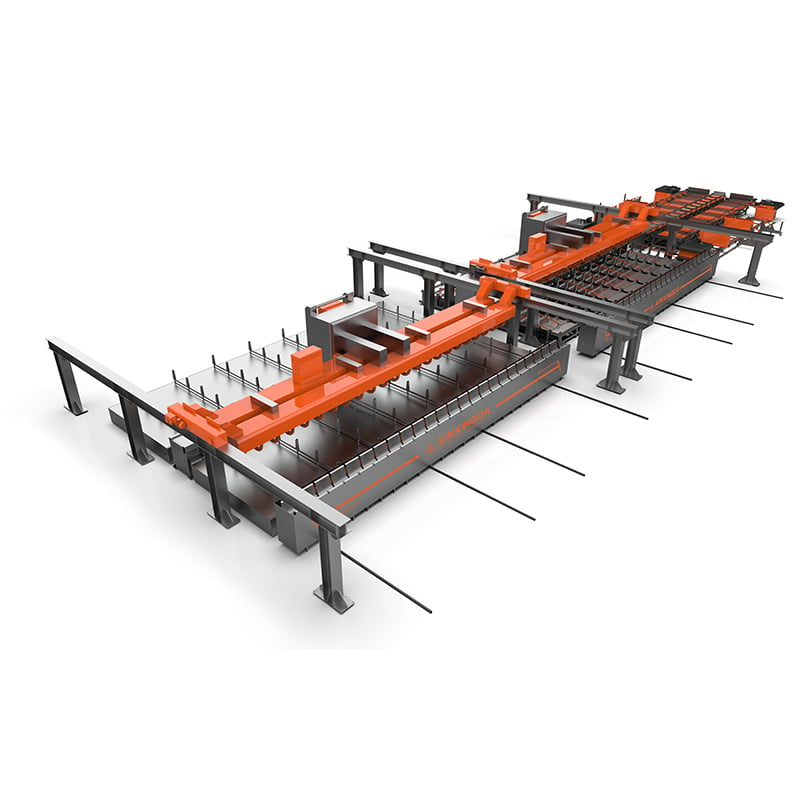
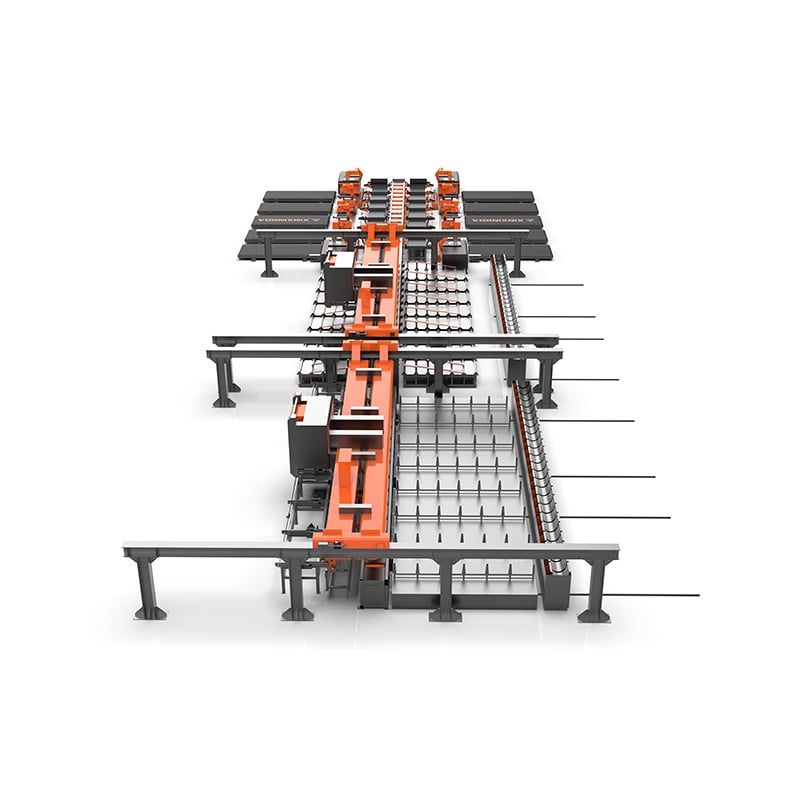
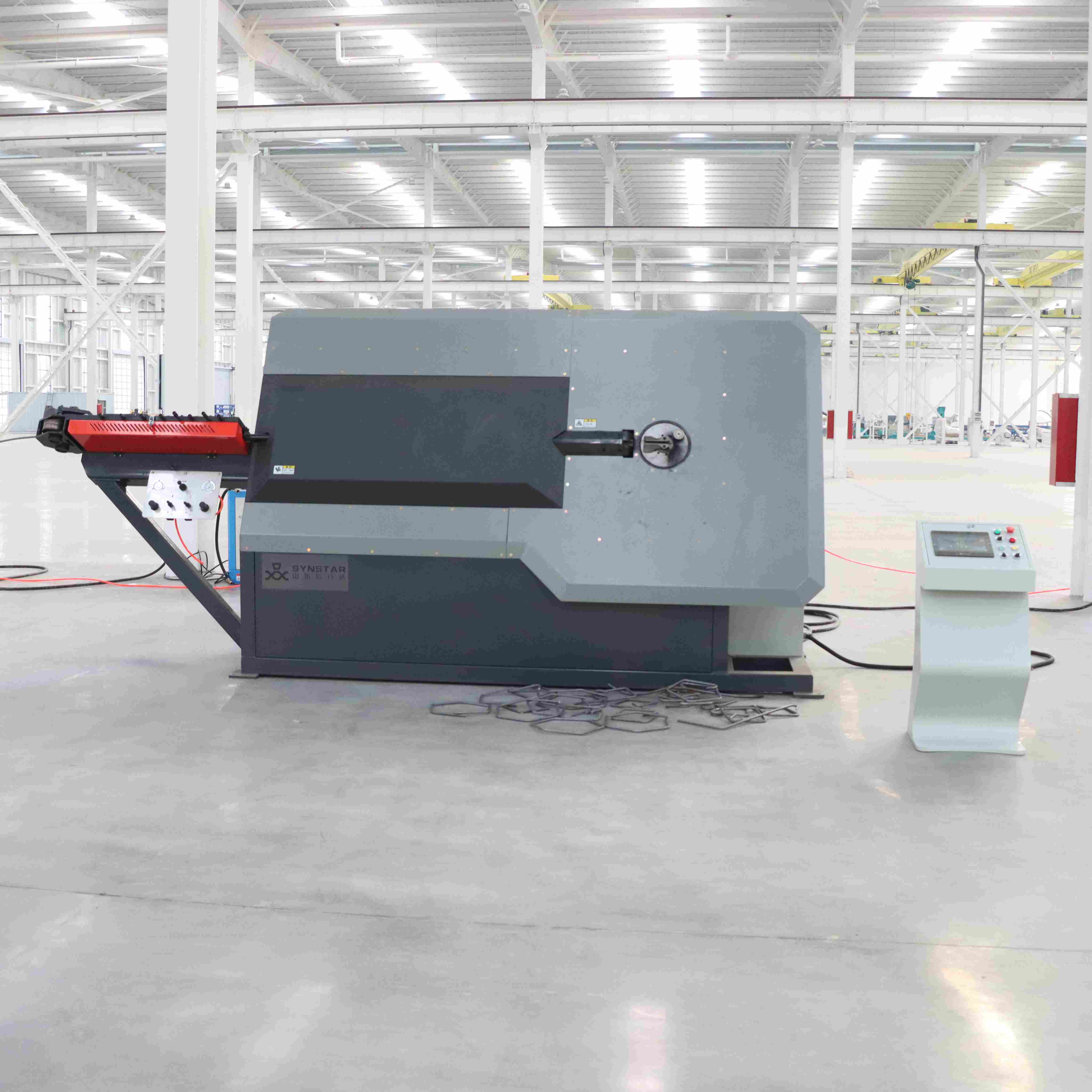
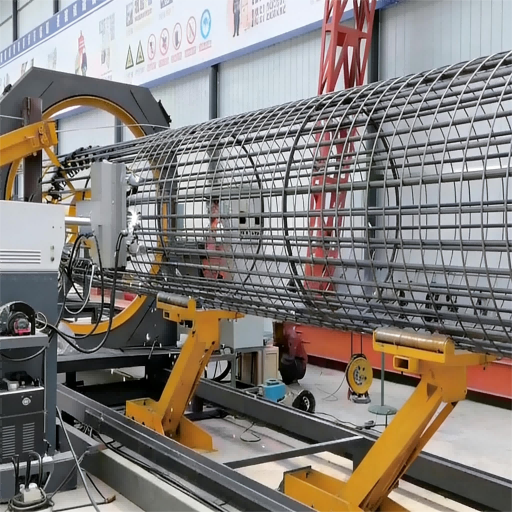
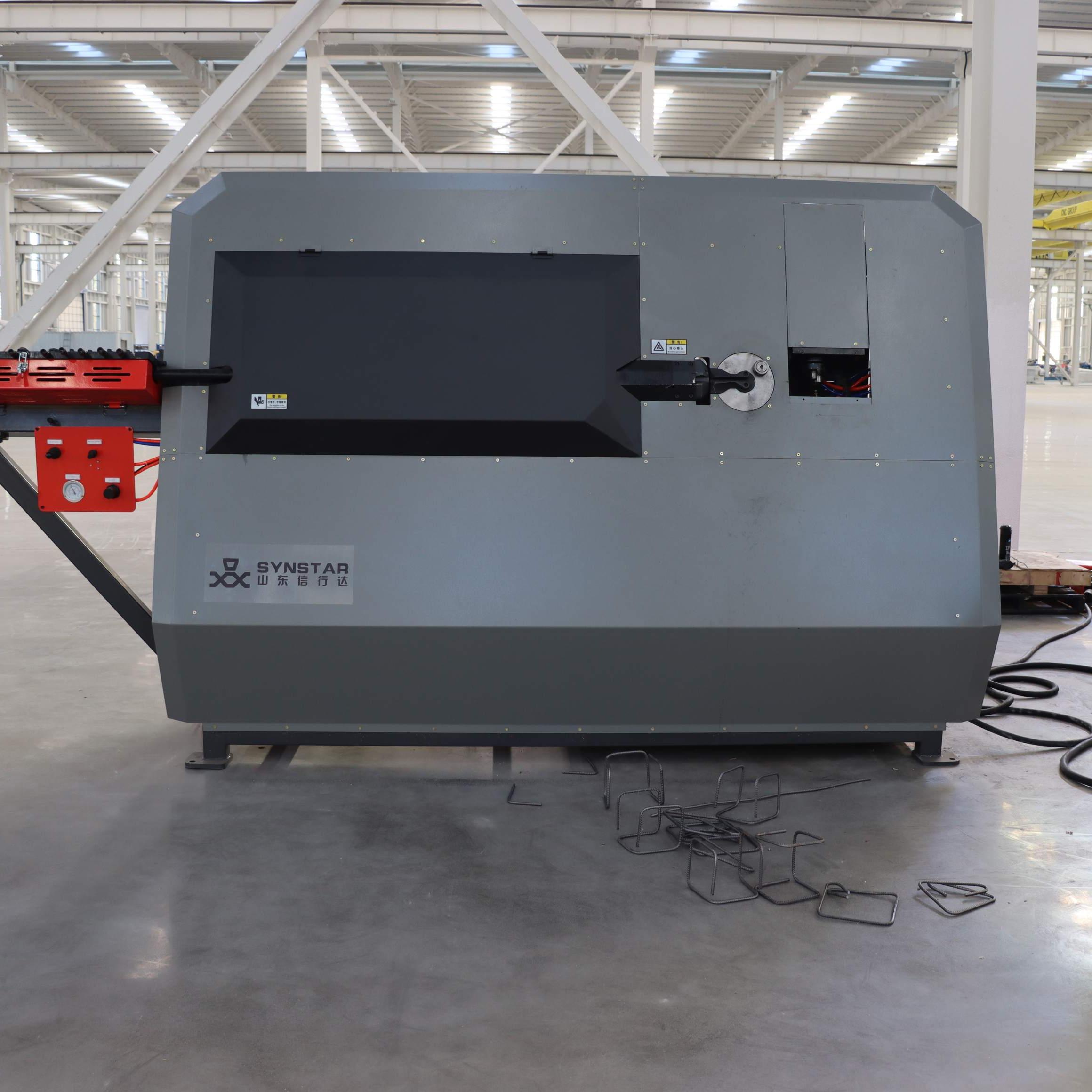
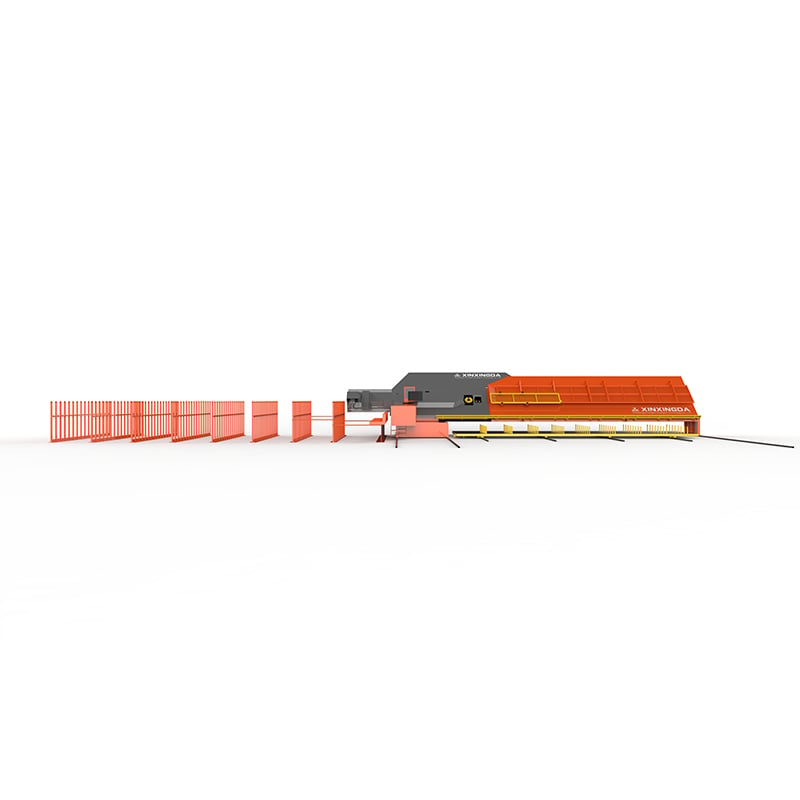
In the field of steel bar processing, horizontal bending centers represent efficiency and precision. However, when enterprises decide to introduce this automated equipment, in addition to the obvious purchase cost, they need to examine a series of "non-price" costs that run through the entire life cycle of the equipment. Although these costs are not directly reflected on the invoice, they profoundly affect the actual performance of the equipment and the long-term benefits of the enterprise.
I. Hidden Costs of Skill Upgrading and Human Replacement
The introduction of automated equipment often comes with the impact on traditional positions. The efficient operation of horizontal bending centers relies on the operator's proficiency in numerical control systems, parameter settings, and fault codes. This implies that the experienced but manual operation-oriented steel bar workers in enterprises may encounter a skills gap.
The hidden costs of such substitution are reflected in two aspects: one is the time cost and trial-and-error cost of systematically training existing personnel; the other is the risk of skilled workers leaving. When the experience of older workers is incompatible with new equipment and they find it difficult to accept the role transformation from "operator" to "programmer", the human resource structure of the enterprise will go through a period of pain.
II. Adaptation Costs of Production Process Reorganization
Integrating a highly efficient horizontal bending center into an existing production line is not as simple as a "plug-and-play" operation. The material flow, storage methods, and hoisting procedures in traditional construction sites or processing plants are often designed for manual labor or simple machinery.
When the bending center is producing finished products at an extremely high speed, can the supply of raw steel bars upstream keep up? Is there sufficient space for stacking and transporting the finished products downstream? If the front-end material preparation is not timely or the finished products are piled up and blocked at the back end, this highly efficient equipment will face the embarrassing situation of "waiting for rice to cook" or "having goods but no way to transport them". This kind of systemic efficiency loss caused by process mismatch is a cost that is very easy to be overlooked. The enterprise needs to invest energy in re-planning the entire workshop's logistics path and warehouse management to truly release the equipment's production capacity.
III. Risks of Technological Dependence and System Isolation
Modern horizontal bending centers, especially CNC inclined bending equipment, have their core technologies encapsulated in sophisticated control systems. This high degree of technological integration sometimes also implies a certain technological dependence.
Once the equipment is put into use, the enterprise's steel bar processing data and production rhythm will be deeply bound to this system. This kind of dependence brings several potential costs:
Software maintenance and upgrade costs: Firmware updates for CNC systems and software adaptation for new processes often rely on support from the original manufacturer, which may result in ongoing service costs.
The difficulty of fault diagnosis: When complex alarms occur on the equipment, ordinary maintenance personnel are unable to intervene and must wait for the technicians from the manufacturer. The extended downtime caused by this technical barrier is an unpredictable loss in production.
The closed nature of the data interface: If the enterprise hopes to introduce a more advanced factory management system in the future, but the data interface of the bending center is not open, achieving data interconnection and interoperability will face additional technical development costs.
IV. Daily Maintenance and Continuous Consumption of Consumables
The smooth operation of the equipment cannot be achieved without meticulous maintenance. Although the horizontal bending center is sturdy and durable, as a machine that frequently performs high-load tasks, its wear and tear is inevitable.
Mold wear and tear: When bending reinforcing bars of different specifications and materials, corresponding bending molds need to be replaced. Molds gradually wear out during repeated use, affecting the bending accuracy and requiring regular grinding or replacement. This is a continuous consumption directly related to production volume.
Vulnerable parts reserve: Sensors, hydraulic pipelines, electrical components, etc. all fall under the category of vulnerable parts. To ensure uninterrupted production, enterprises usually need to establish a spare parts warehouse. The inventory management of spare parts and the capital occupation constitute hidden costs in operation.
Cleaning and maintenance: The operating environment of the equipment is dusty and full of rust. Regularly cleaning the dust off the sensors and lubricating the transmission components, these seemingly simple tasks require dedicated manpower and time.
V. Opportunity Cost of Decision-making Errors
Finally, and most crucially, there is the opportunity cost resulting from an inappropriate selection. The market is filled with a wide variety of horizontal bending centers, some specializing in the batch production of standard parts, others excelling in the processing of irregularly shaped parts; some are suitable for large-diameter reinforcing bars, while others focus on the production of fine stirrups.
If an enterprise fails to make an accurate judgment based on the product structure and engineering types in the next 3 to 5 years during the assessment, resulting in the introduction of equipment that is either "overqualified for the job" or "incapable of performing the task", the efficiency of this equipment will be greatly reduced. This huge opportunity cost is often more destructive than the price difference of the equipment itself - it occupies the site and funds, but fails to bring the expected competitive advantage.
Conclusion
For decision-makers of horizontal bending centers, it is not only necessary to focus on the figures in the procurement contract, but also to look beyond the equipment itself and examine the complex system composed of personnel, processes, technology and long-term maintenance behind it. Only by calculating this "non-price" cost account can the original intention of automation upgrade be truly achieved, and the high equipment investment be transformed into real productivity.
 Hot News
2026-05-27
2026-05-18
2026-05-12
2026-05-08
2026-05-01
2026-04-27
Copyright © 2026 Shandong synstar Intelligent Technology Co., Ltd. All rights reserved. - Privacy Policy
 EN
EN