automatic bar bending machine
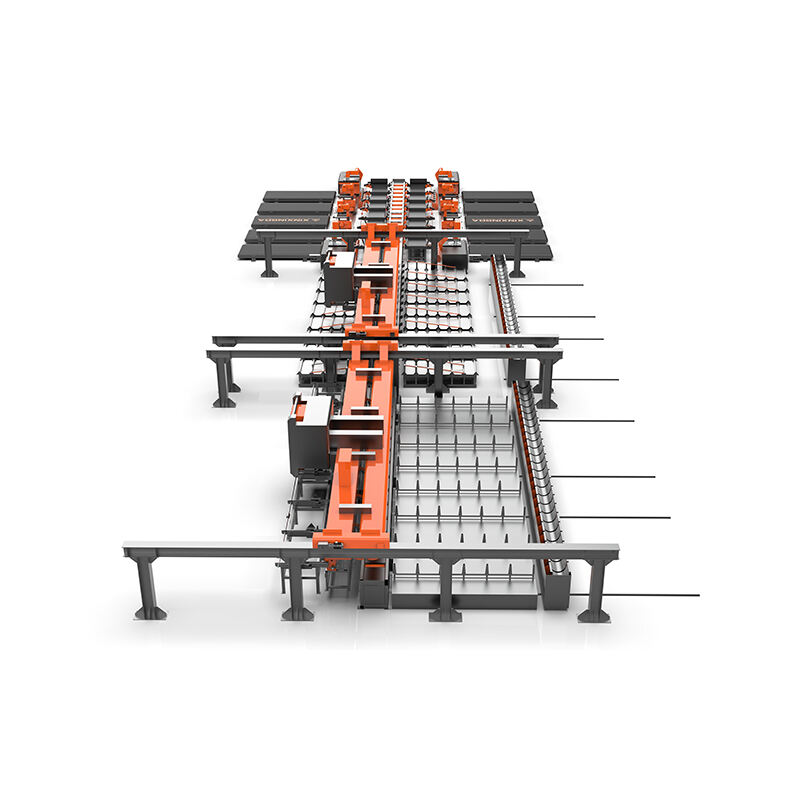
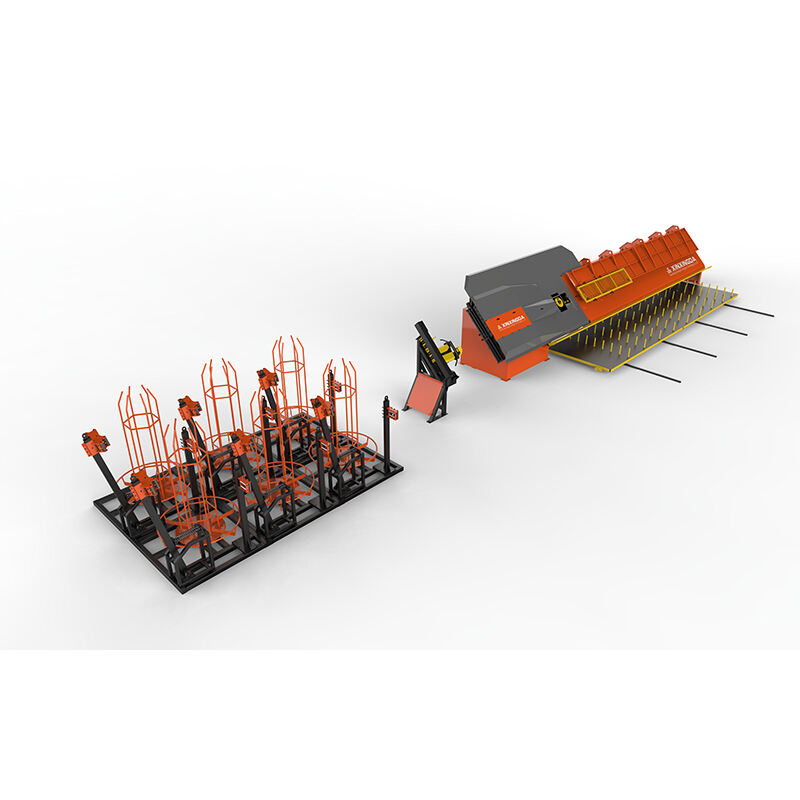
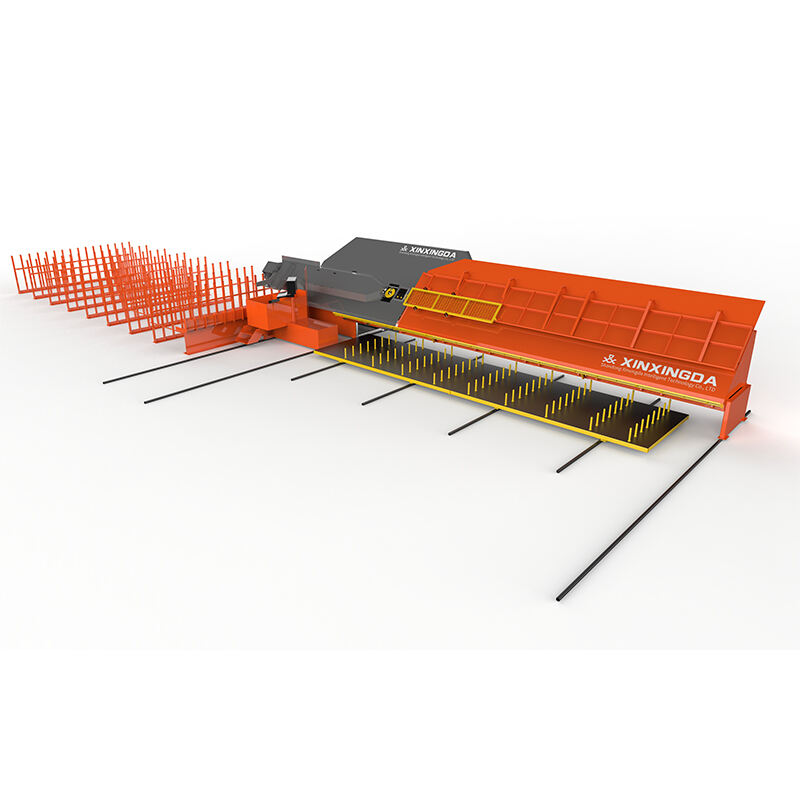
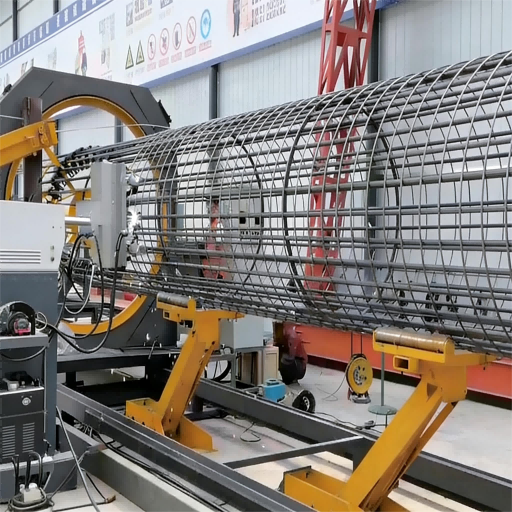
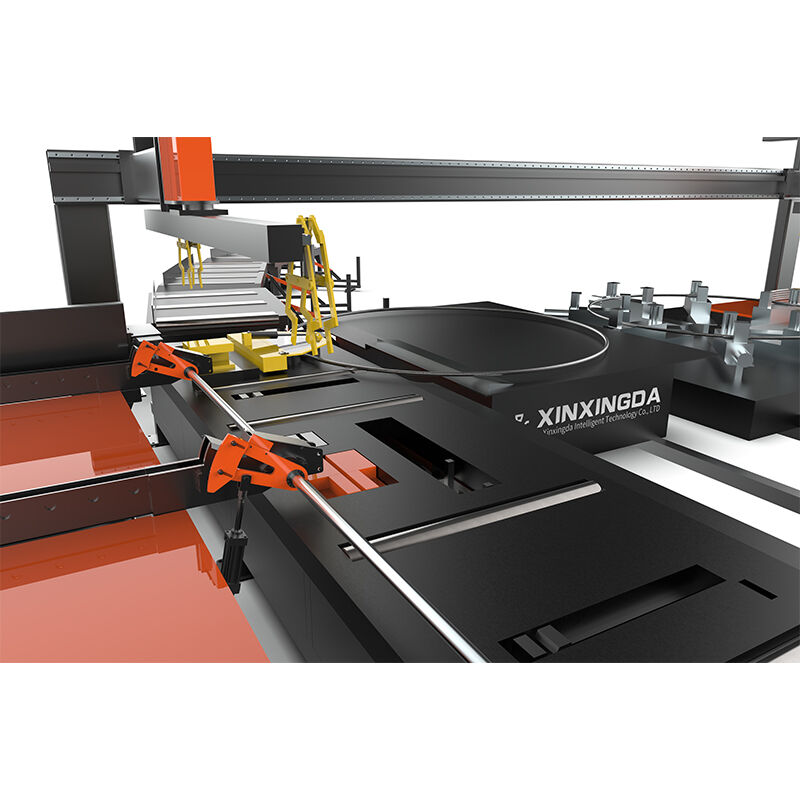
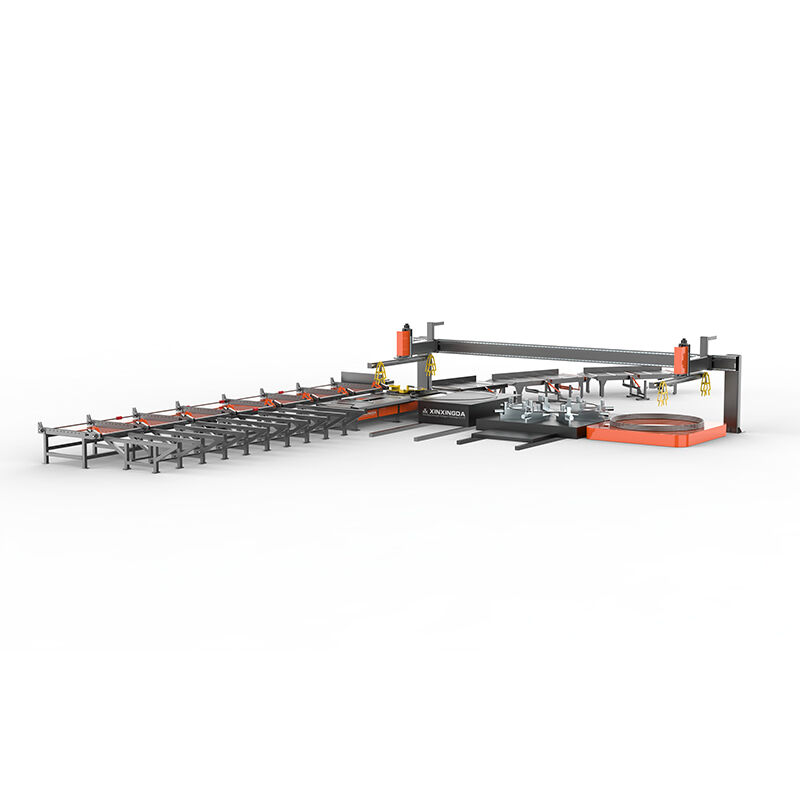
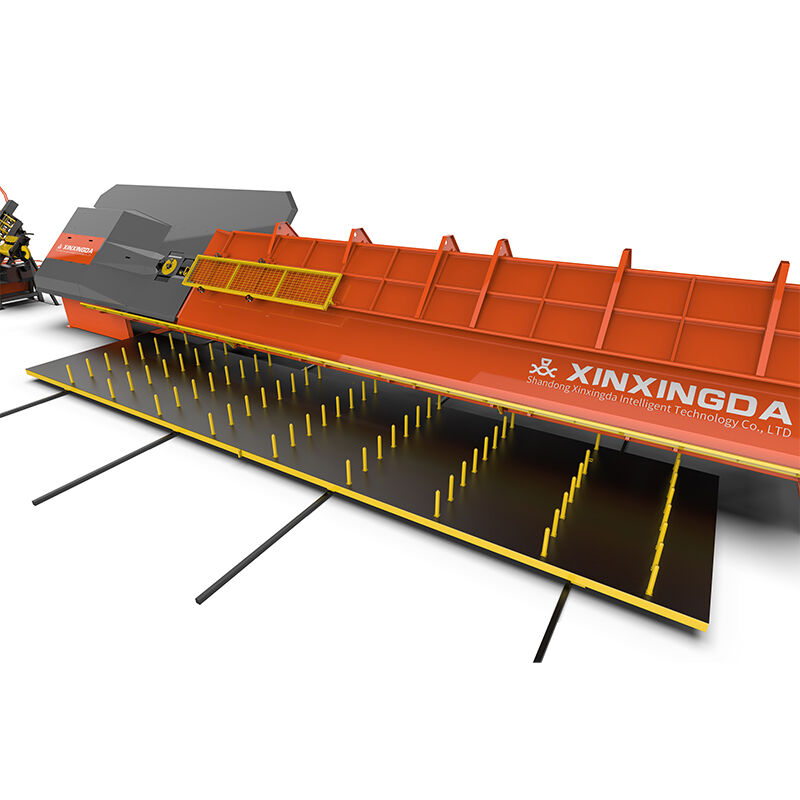
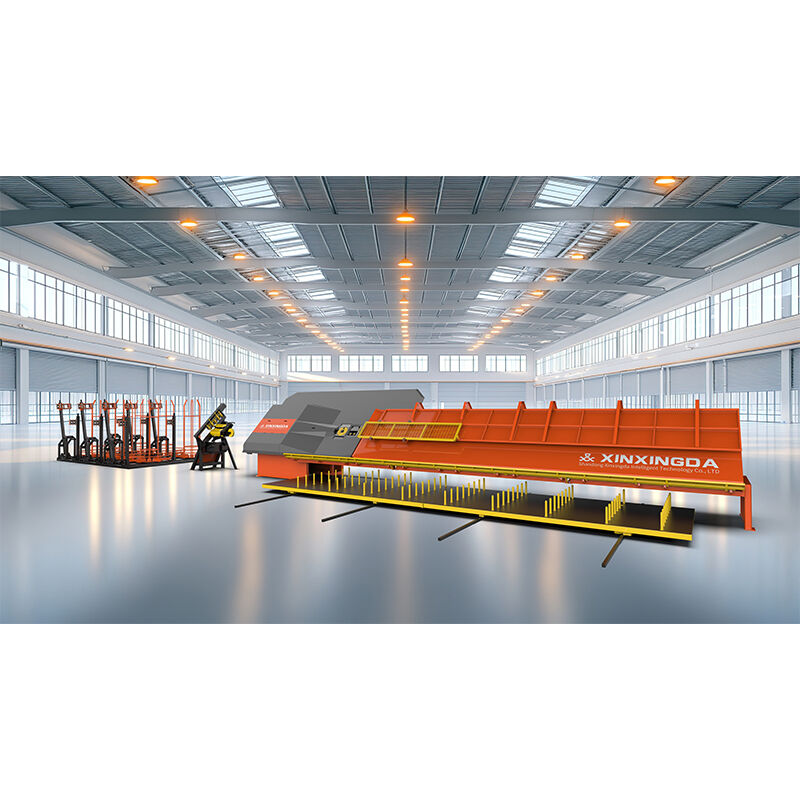
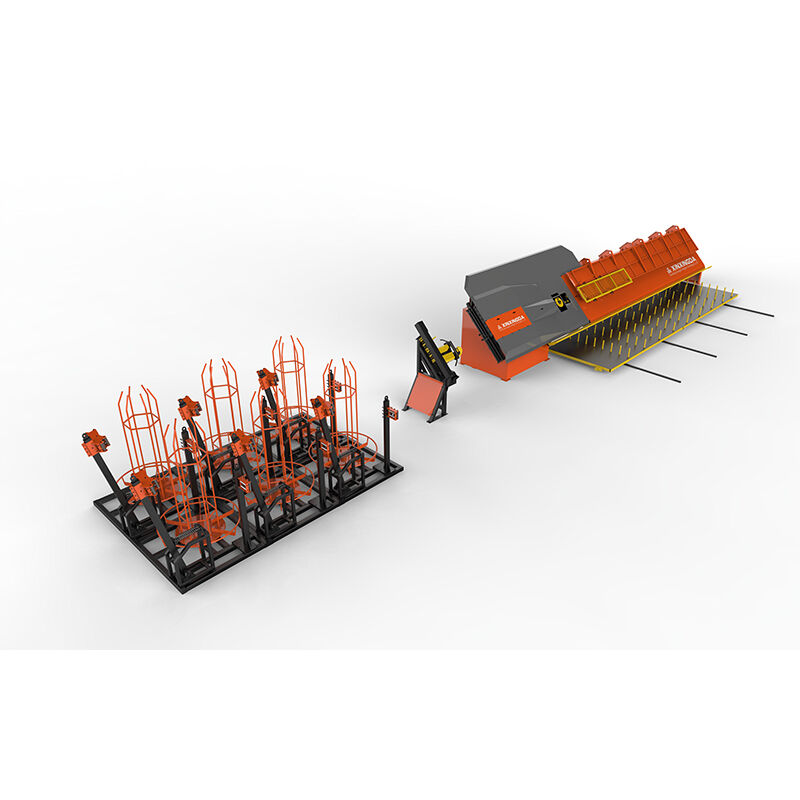
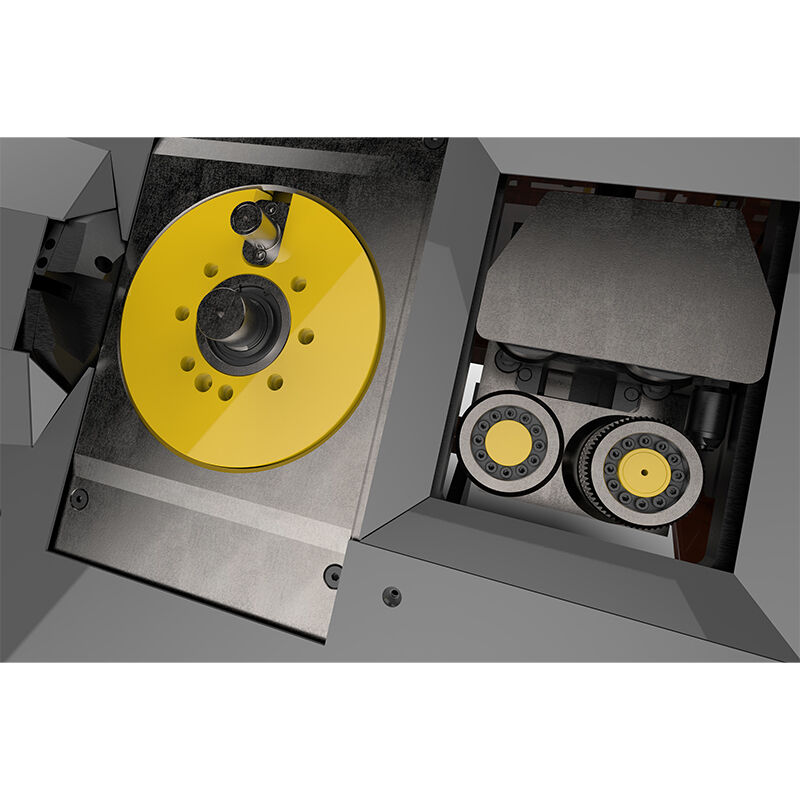
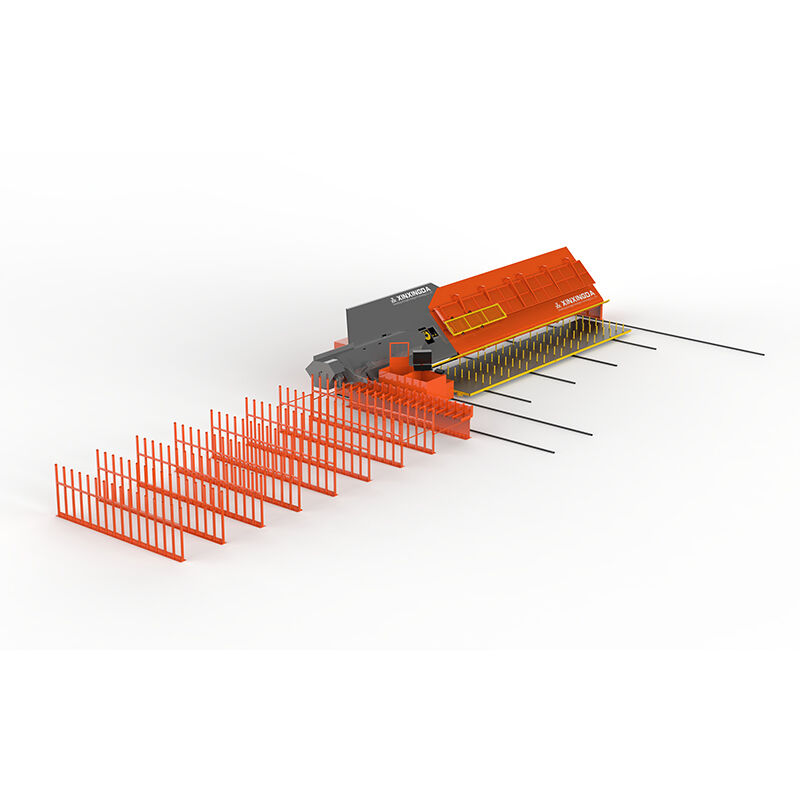
The automatic bar bending machine represents a revolutionary advancement in construction and manufacturing technology, designed to streamline the process of shaping reinforcement bars with unprecedented precision and efficiency. This sophisticated equipment combines cutting-edge engineering with user-friendly operation to deliver consistent, high-quality results in various industrial applications. At its core, the automatic bar bending machine utilizes advanced servo motor technology and computerized control systems to manipulate steel reinforcement bars into precise angles and configurations according to predetermined specifications. The machine's primary functions encompass automated feeding, measuring, cutting, and bending operations that traditionally required manual labor and multiple pieces of equipment. Modern automatic bar bending machines feature programmable logic controllers that allow operators to input specific bending parameters, including angle measurements, bend radii, and dimensional requirements. The technological framework incorporates hydraulic or mechanical bending mechanisms that apply controlled force to achieve accurate bends without compromising the structural integrity of the reinforcement material. These machines accommodate various bar diameters, typically ranging from 6mm to 40mm, making them versatile solutions for different project requirements. The precision positioning systems ensure repeatable accuracy within tight tolerances, while safety mechanisms protect operators during operation. Applications span across construction projects including residential buildings, commercial structures, bridges, tunnels, and infrastructure developments where reinforced concrete components are essential. The automatic bar bending machine significantly reduces processing time compared to manual methods while maintaining superior quality standards. Integration capabilities allow these machines to connect with existing production lines and computerized design systems, enabling seamless workflow coordination. Temperature compensation features ensure consistent performance across varying environmental conditions, while robust construction guarantees long-term reliability in demanding industrial environments.

 EN
EN