All Categories

Get a Free Quote

Our representative will contact you soon.
Email
Name
Company Name
Mobile / WhatsApp
Message
0/1000
industrial bar bending equipment-1

Home > 

industrial bar bending equipment

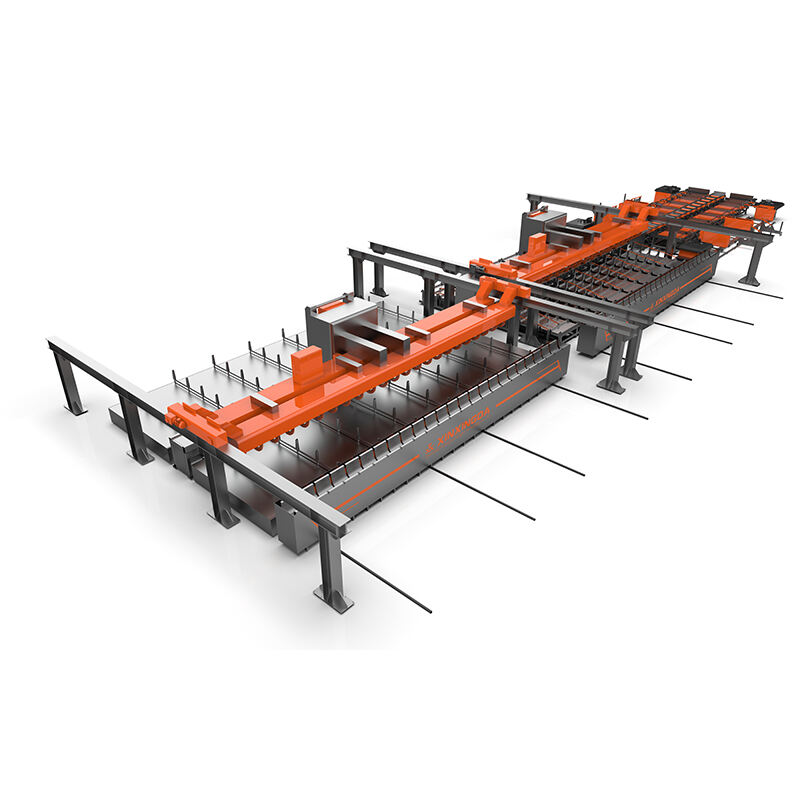
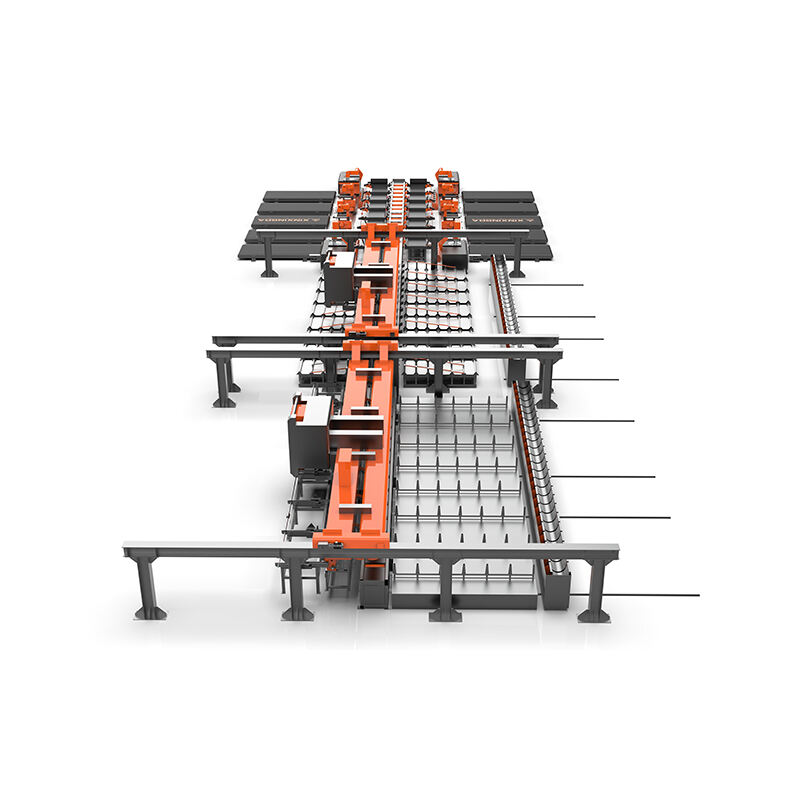
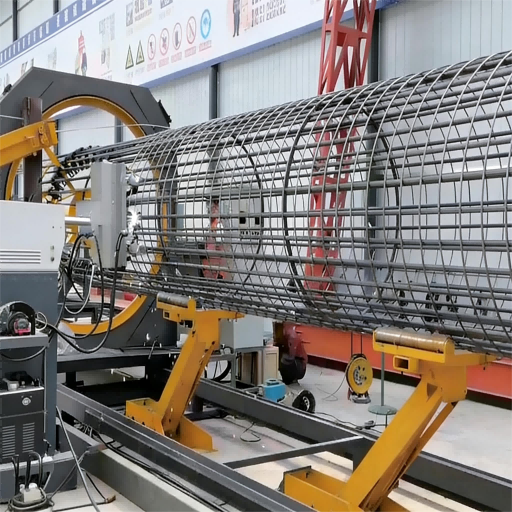
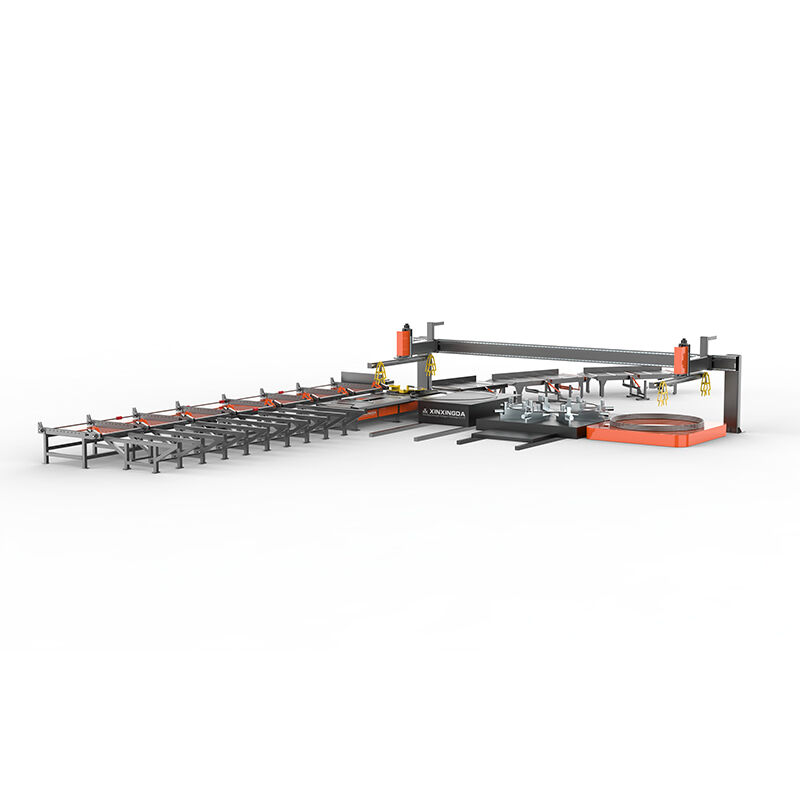
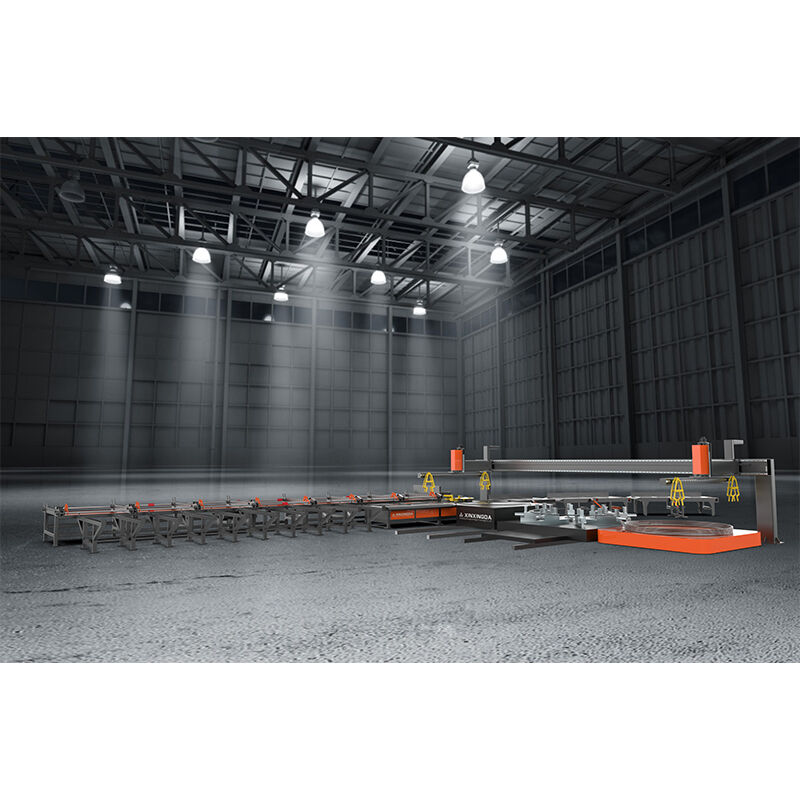
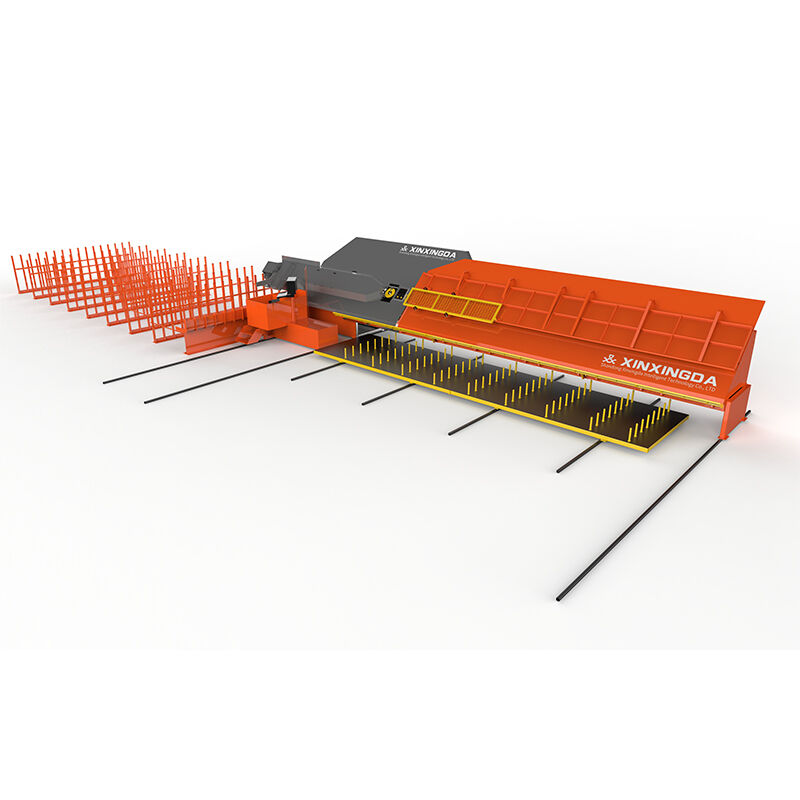
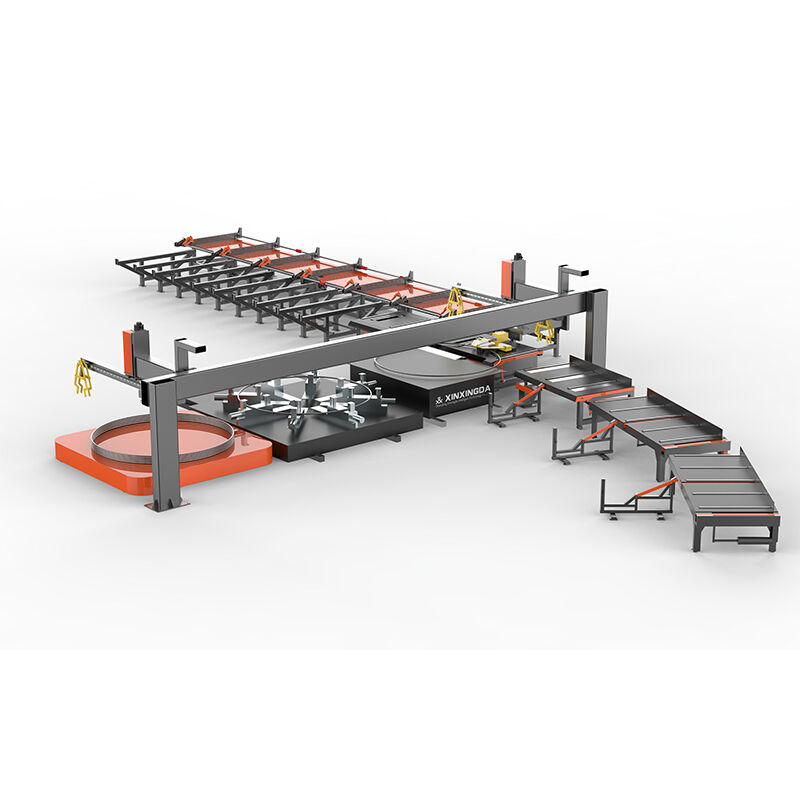
Industrial bar bending equipment represents a cornerstone technology in modern construction and manufacturing industries, providing essential capabilities for shaping reinforcement bars and structural steel components. This sophisticated machinery transforms straight metal bars into precise curved, bent, or angled configurations required for construction projects, infrastructure development, and specialized manufacturing applications. The industrial bar bending equipment operates through advanced mechanical systems that apply controlled force and leverage to manipulate steel reinforcement bars without compromising their structural integrity or material properties. These machines accommodate various bar diameters ranging from small-gauge rebar to heavy-duty structural steel, making them indispensable for projects spanning residential construction to major infrastructure developments. The technological features of modern industrial bar bending equipment include programmable control systems that ensure consistent bend angles and radii, hydraulic or mechanical drive mechanisms for powerful operation, and precision measurement systems for accurate positioning. Many units incorporate digital displays and computerized controls that allow operators to input specific bend parameters, store frequently used configurations, and maintain quality consistency across production runs. Safety features such as emergency stops, protective guards, and operator presence sensors are standard components that protect workers during operation. The equipment typically features adjustable bending heads, variable speed controls, and interchangeable tooling to accommodate different bar sizes and bending requirements. Applications for industrial bar bending equipment extend across multiple sectors including construction companies, precast concrete manufacturers, steel fabrication shops, and infrastructure development projects. These machines prove essential for creating stirrups, ties, and custom-shaped reinforcement elements used in concrete structures, bridges, tunnels, and high-rise buildings. The versatility of industrial bar bending equipment allows manufacturers to produce complex geometries required for architectural applications, specialized structural components, and custom engineering solutions that meet specific project requirements and building code standards.


New Product Recommendations

Industrial bar bending equipment delivers substantial operational benefits that directly impact productivity, quality, and profitability for businesses across construction and manufacturing sectors. The most significant advantage lies in dramatically increased production speed compared to manual bending methods, with modern machines capable of processing hundreds of bars per hour while maintaining consistent quality standards. This enhanced productivity translates into faster project completion times, reduced labor costs, and improved capacity for handling larger contracts and multiple simultaneous projects. The precision capabilities of industrial bar bending equipment eliminate human error and variability, ensuring every bent bar meets exact specifications and dimensional requirements. This consistency reduces material waste significantly, as operators no longer need to discard incorrectly bent bars or perform time-consuming rework procedures. The equipment's ability to store and recall bending programs means repetitive operations become highly efficient, with operators simply selecting saved configurations rather than manually setting up each bend sequence. Cost savings extend beyond labor reduction to include material optimization, as the precise control systems minimize over-bending and under-bending scenarios that typically result in rejected components. The industrial bar bending equipment also enhances workplace safety by removing workers from potentially hazardous manual bending operations that can cause repetitive strain injuries, back problems, and other occupational health issues. Automated safety systems prevent accidents during operation while ergonomic designs reduce physical demands on operators. Quality improvements represent another crucial advantage, as the consistent bending parameters ensure structural integrity and compliance with engineering specifications and building codes. This reliability reduces callbacks, warranty issues, and potential liability concerns related to structural failures. The versatility of modern industrial bar bending equipment allows businesses to expand their service offerings and accept more diverse projects requiring various bend angles, radii, and configurations. This capability opens new revenue streams and competitive advantages in bidding situations. Additionally, the equipment's durability and robust construction provide long-term reliability with minimal maintenance requirements, ensuring consistent performance over many years of operation. The professional appearance and precision of machine-bent bars also enhance customer satisfaction and support premium pricing for high-quality work.

Latest News

How Can Circle and Arc Bending Machine Improve Project Efficiency

05

Dec

How Can Circle and Arc Bending Machine Improve Project Efficiency

Construction and manufacturing industries constantly seek innovative solutions to enhance productivity while maintaining precision and quality standards. The circle and arc bending machine represents a transformative advancement in metal fabrication ...
View More
What Advantages Does a Rebar Stirrup Bender Offer in Project Sites

28

Feb

What Advantages Does a Rebar Stirrup Bender Offer in Project Sites

Construction projects across the globe rely heavily on reinforced concrete structures that require precise and efficient steel reinforcement preparation. The rebar stirrup bender has emerged as an essential piece of equipment that transforms how cons...
View More
Which Features Matter Most When Buying a Rebar Stirrup Bender

28

Feb

Which Features Matter Most When Buying a Rebar Stirrup Bender

Construction professionals seeking efficient reinforcement fabrication solutions must carefully evaluate equipment specifications when investing in automated bending machinery. Modern rebar stirrup bender technology has revolutionized how contractors...
View More
What Applications Require a Reliable Rebar Stirrup Bender

28

Feb

What Applications Require a Reliable Rebar Stirrup Bender

Construction projects across various industries depend on precise reinforcement fabrication, making the rebar stirrup bender an essential piece of equipment for contractors, fabricators, and construction companies. These specialized machines transfor...
View More

Get a Free Quote

Our representative will contact you soon.
Email
Name
Company Name
Mobile / WhatsApp
Message
0/1000

industrial bar bending equipment

Advanced Programmable Control Systems for Maximum Precision

Advanced Programmable Control Systems for Maximum Precision

The sophisticated programmable control systems integrated into modern industrial bar bending equipment represent a revolutionary advancement in precision manufacturing technology. These computerized control interfaces allow operators to input exact specifications for bend angles, radii, and positioning with incredible accuracy, typically within tolerances of plus or minus one degree. The digital control panels feature intuitive touchscreen displays that guide operators through setup procedures, display real-time operational parameters, and provide immediate feedback on bending operations. Memory storage capabilities enable the system to retain hundreds of different bending programs, each containing multiple bend sequences and specifications for complex multi-bend configurations. This programmable functionality eliminates the guesswork and trial-and-error approach traditionally associated with manual bending operations. Operators can create custom programs for specific projects, store frequently used configurations, and recall them instantly for future production runs. The control systems also incorporate advanced sensors and feedback mechanisms that monitor bending forces, bar position, and operational parameters throughout each cycle. This continuous monitoring ensures consistent results and immediately alerts operators to any deviations from programmed specifications. The precision control extends to variable speed settings that allow operators to adjust bending speeds based on bar diameter, material properties, and desired bend characteristics. Slower speeds for thick bars ensure proper forming without material stress, while faster speeds for smaller bars maximize productivity. Integration capabilities allow the control systems to interface with external computers, production management software, and quality control databases. This connectivity enables seamless workflow integration, production tracking, and quality documentation requirements. The programmable nature of these control systems also supports future upgrades and customization options, allowing businesses to adapt their industrial bar bending equipment to evolving project requirements and technological advances. Training requirements are minimized through the intuitive interface design, reducing the learning curve for new operators and ensuring consistent operation across different shifts and personnel changes.
Heavy-Duty Construction for Demanding Industrial Applications

Heavy-Duty Construction for Demanding Industrial Applications

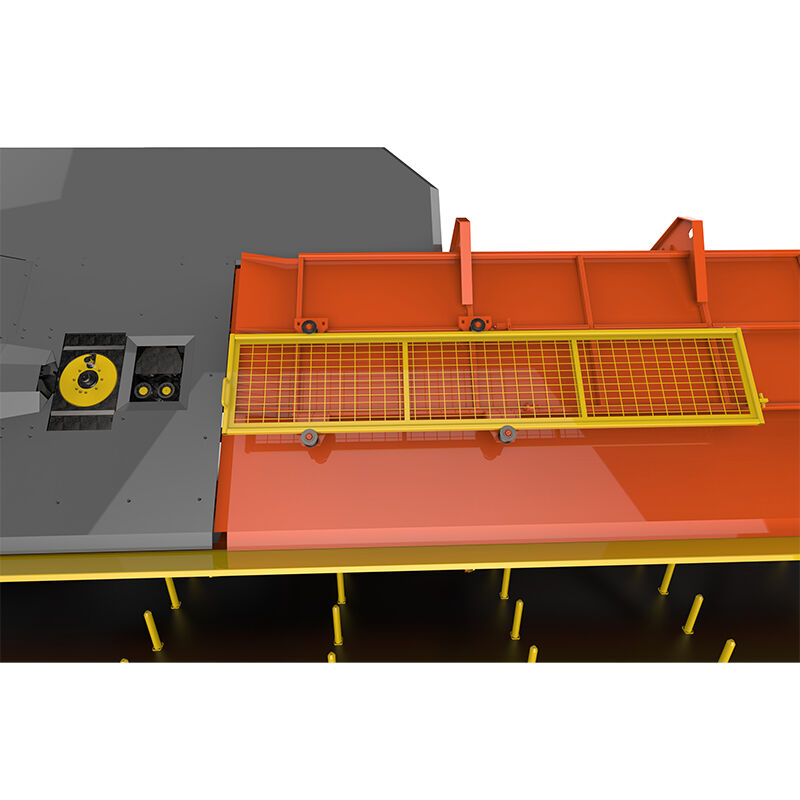
Industrial bar bending equipment features exceptionally robust construction designed to withstand the demanding conditions of continuous commercial and industrial operations. The foundation of this durability lies in heavy-gauge steel frames and reinforced structural components that resist deflection and maintain precision under extreme bending forces. These machines incorporate high-strength steel alloys in critical stress areas, ensuring long-term dimensional stability and operational accuracy even when processing large-diameter bars or high-tensile strength materials. The heavy-duty construction extends to all mechanical components, including oversized bearings, hardened gears, and reinforced drive mechanisms that deliver reliable performance under sustained heavy loads. Industrial-grade hydraulic systems, where applicable, feature high-pressure capabilities and robust cylinders designed for millions of operational cycles without performance degradation. The structural integrity of industrial bar bending equipment enables it to maintain precision tolerances throughout its operational life, preventing the gradual loss of accuracy that can plague lighter-duty alternatives. Vibration-dampening features and rigid mounting systems ensure smooth operation and prevent the transmission of operational forces to surrounding structures or adjacent equipment. The heavy construction also contributes to operator safety by providing stable platforms that resist movement during operation and incorporate substantial safety barriers and guards. Corrosion-resistant treatments and protective coatings safeguard critical components from environmental factors commonly encountered in construction and manufacturing environments. The robust design philosophy extends to electrical and control components, which are housed in sealed enclosures rated for industrial environments and protected against dust, moisture, and temperature variations. Maintenance access points are strategically located and designed for easy service without compromising structural integrity. The heavy-duty construction ensures consistent performance across varying environmental conditions, from outdoor construction sites to climate-controlled manufacturing facilities. This reliability translates into reduced downtime, lower maintenance costs, and extended equipment life cycles that provide superior return on investment. The substantial build quality also supports higher resale values and longer depreciation schedules, contributing to improved financial performance for equipment owners.
Versatile Multi-Bar Capacity and Flexible Tooling Systems

Versatile Multi-Bar Capacity and Flexible Tooling Systems

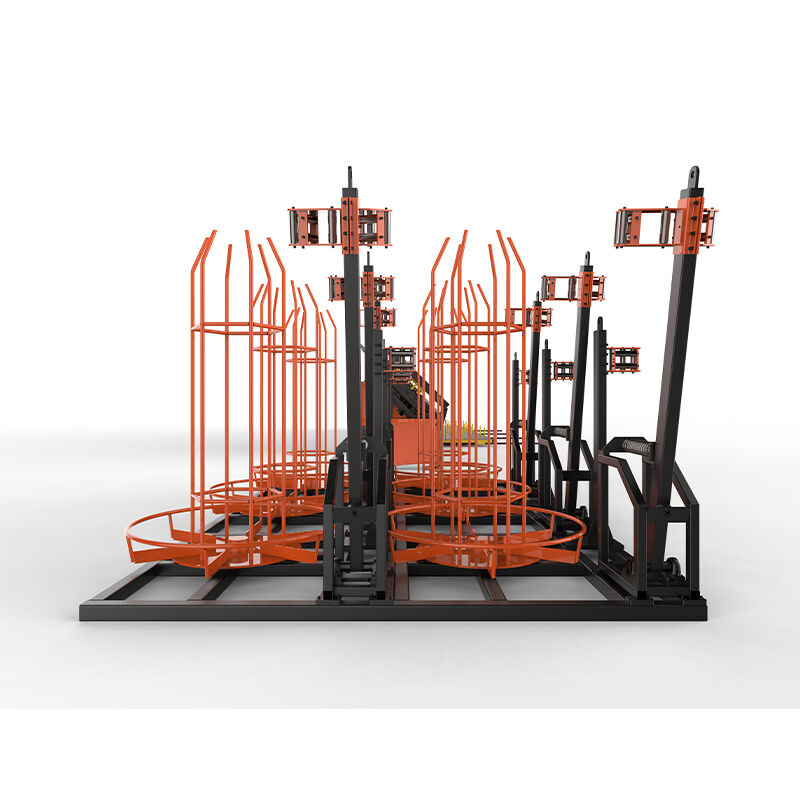
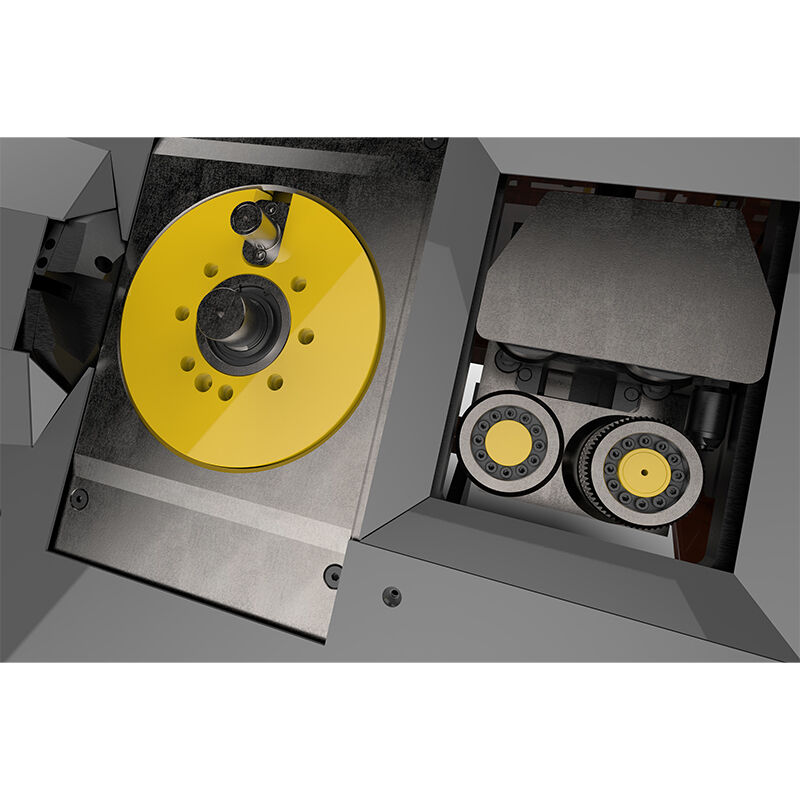
The versatile multi-bar capacity and flexible tooling systems incorporated in modern industrial bar bending equipment provide unprecedented operational flexibility and production efficiency for diverse manufacturing requirements. These machines accommodate multiple bar sizes simultaneously, ranging from small-diameter reinforcement wire to large structural steel bars, often within the same production cycle. Quick-change tooling systems enable operators to switch between different bar sizes and bending configurations in minutes rather than hours, maximizing equipment utilization and minimizing setup downtime. The modular tooling approach allows customization for specific applications, with interchangeable bending heads, guides, and forming dies that adapt to unique project requirements. This flexibility enables businesses to accept diverse contracts without investing in multiple specialized machines, significantly improving cost-effectiveness and operational efficiency. Advanced clamping and feeding systems automatically adjust to different bar diameters, ensuring secure positioning and consistent results across the entire range of supported sizes. The multi-bar capability extends to processing multiple pieces simultaneously, with some industrial bar bending equipment models capable of bending several bars in parallel operations, dramatically increasing hourly production rates. Adjustable spacing mechanisms accommodate different bar arrangements and ensure proper clearances for complex multi-bend sequences. The flexible tooling systems also support custom bend radii and angles beyond standard configurations, enabling the production of specialized components for unique architectural or engineering applications. Tool storage and organization systems integrated into the equipment design provide convenient access to commonly used tooling while maintaining organized work areas. The versatility extends to material compatibility, with tooling options designed for different steel grades, including high-strength alloys, stainless steel, and specialized reinforcement materials. Automated tool recognition systems in advanced models automatically adjust operational parameters based on installed tooling, eliminating setup errors and optimizing performance for each configuration. This intelligent tooling integration reduces operator training requirements and ensures consistent results regardless of the selected configuration. The flexible design philosophy also supports future expansion and adaptation, allowing businesses to add new tooling options as their requirements evolve without replacing the entire machine platform.

Get a Free Quote

Our representative will contact you soon.
Email
Name
Company Name
Mobile / WhatsApp
Message
0/1000