All Categories

Get a Free Quote

Our representative will contact you soon.
Email
Name
Company Name
Mobile / WhatsApp
Message
0/1000
rebar bending tool-1

Home > 

rebar bending tool

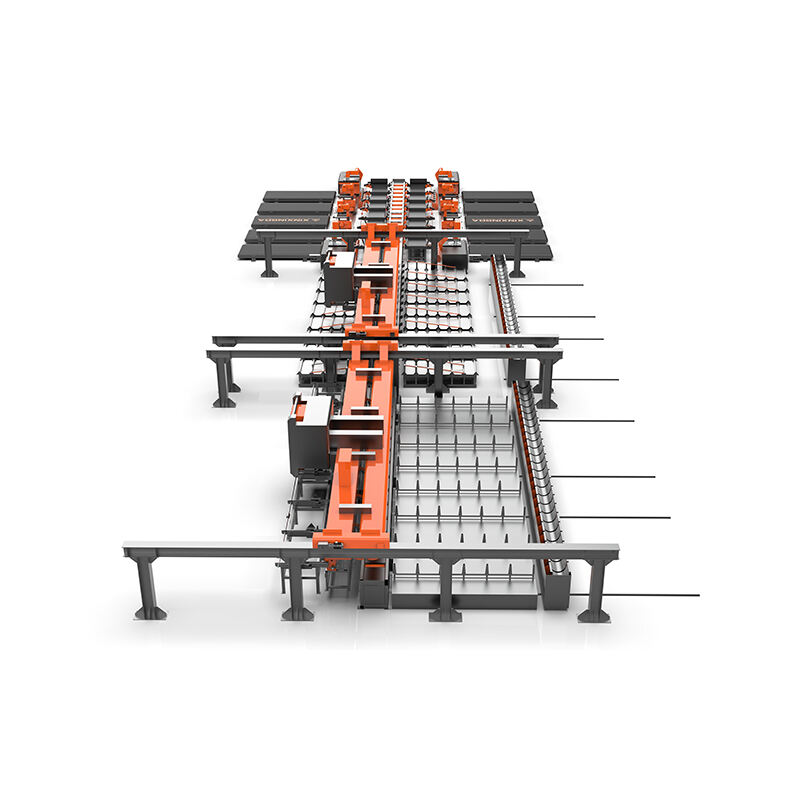
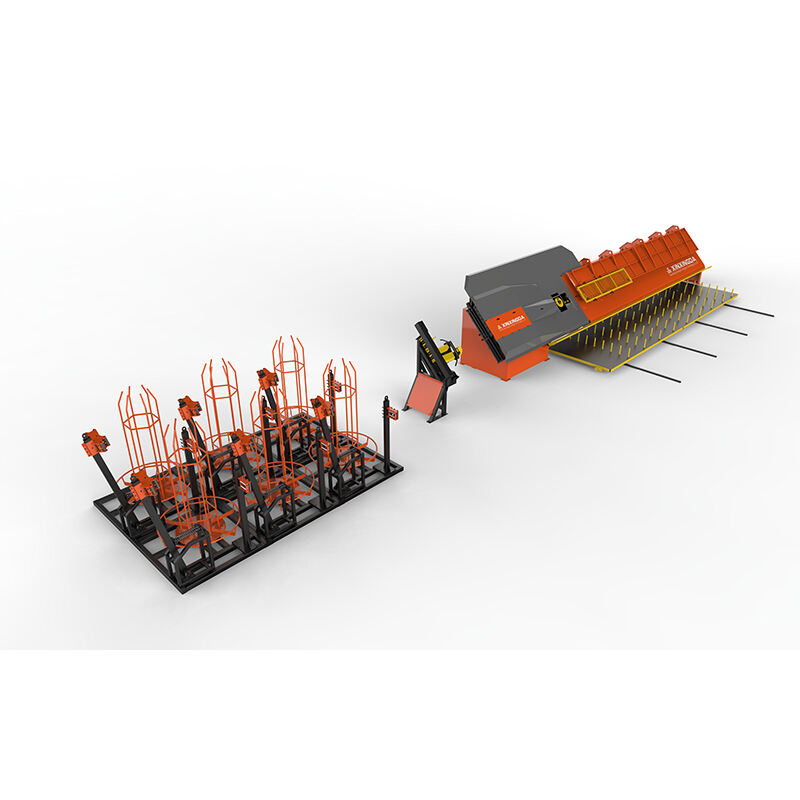
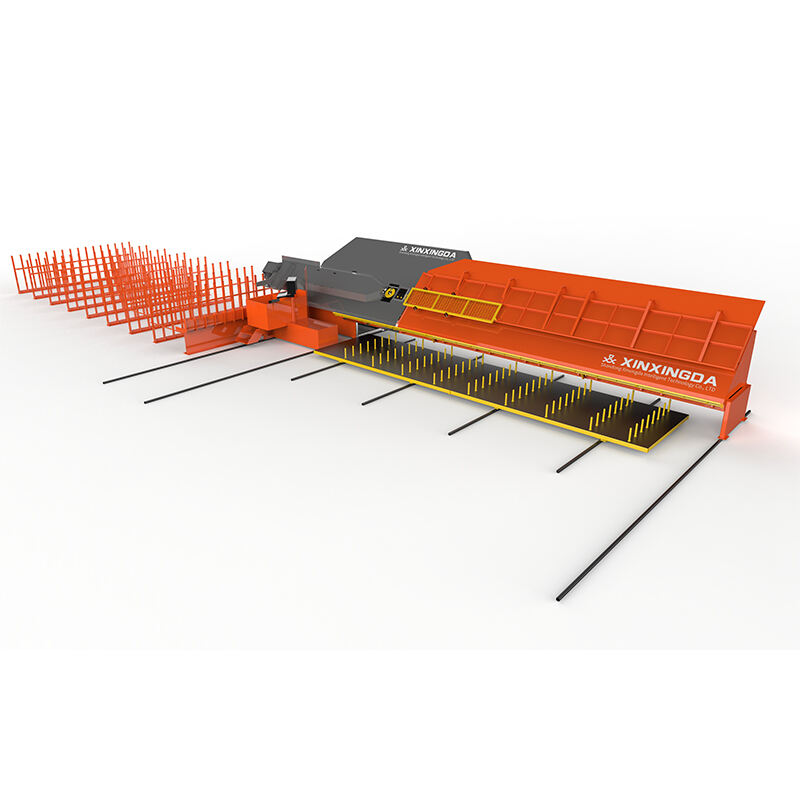
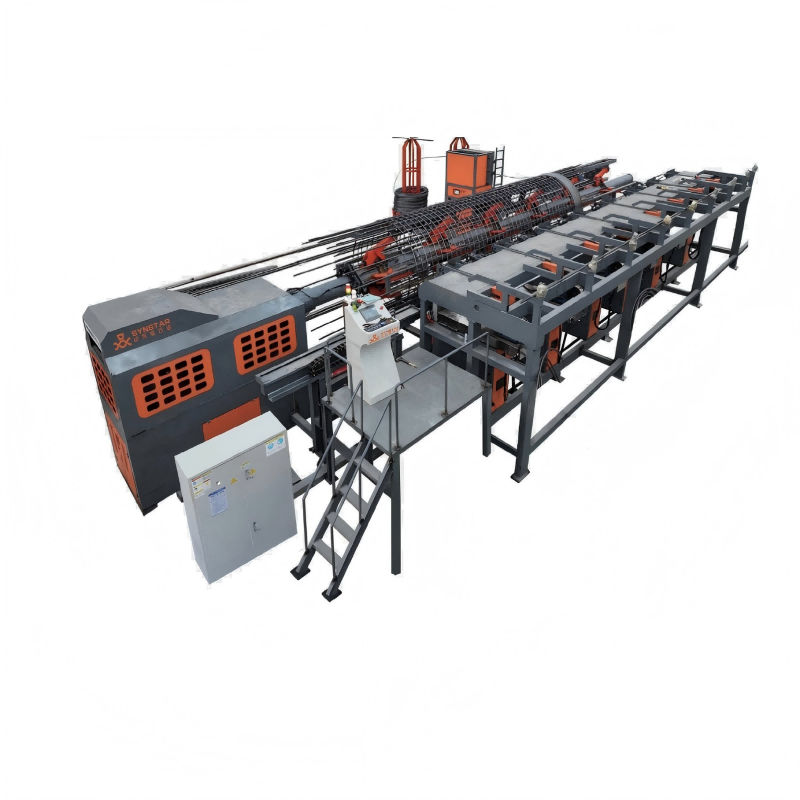
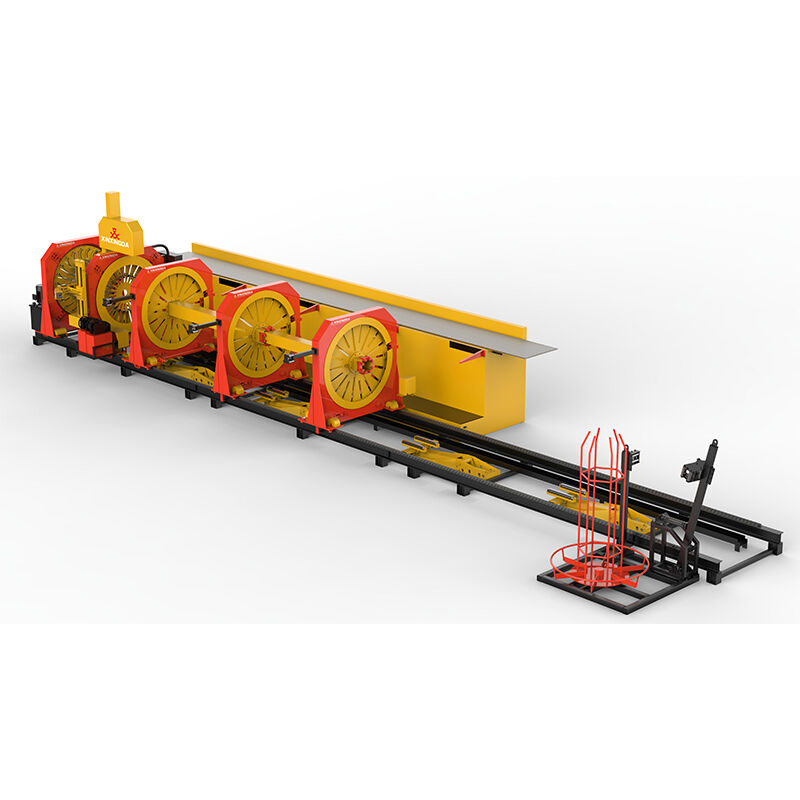
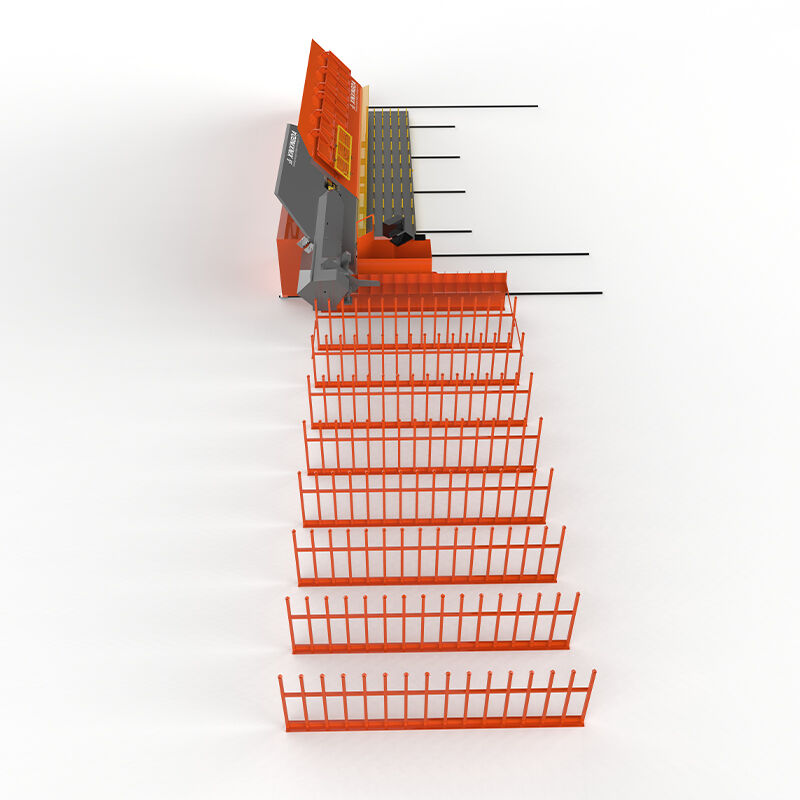
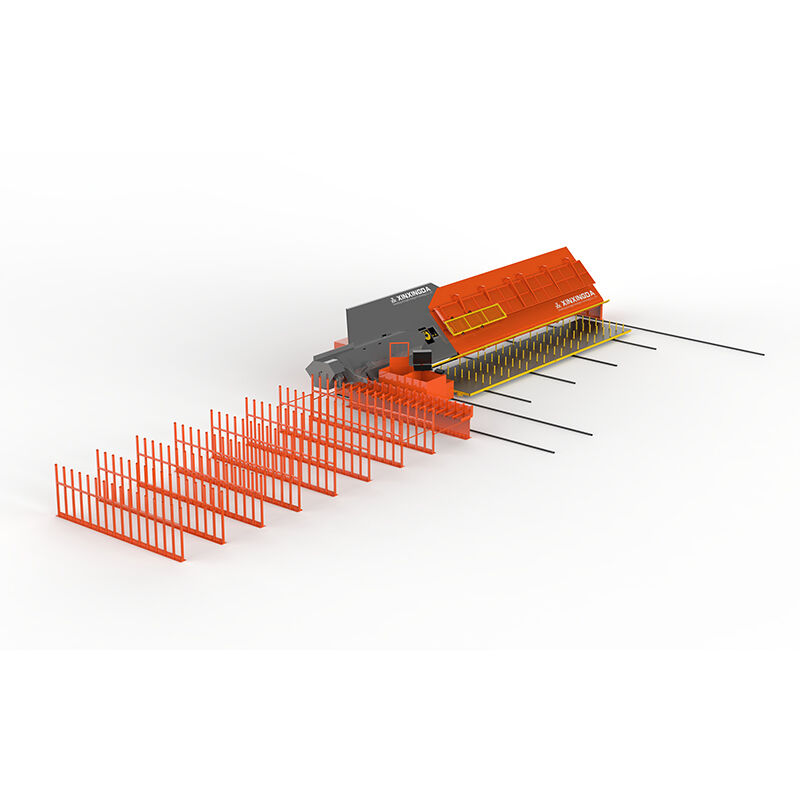
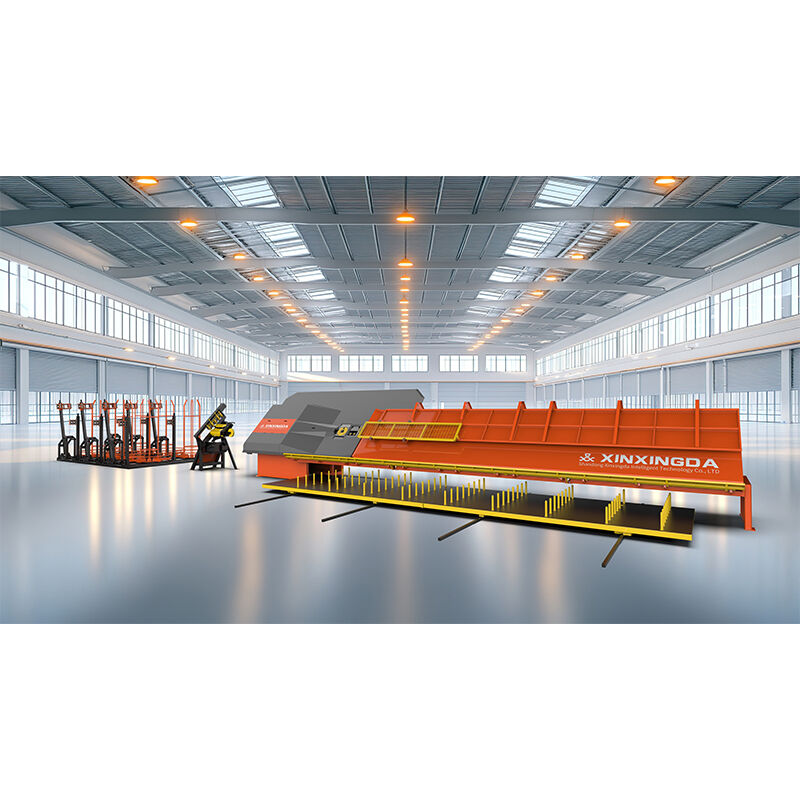
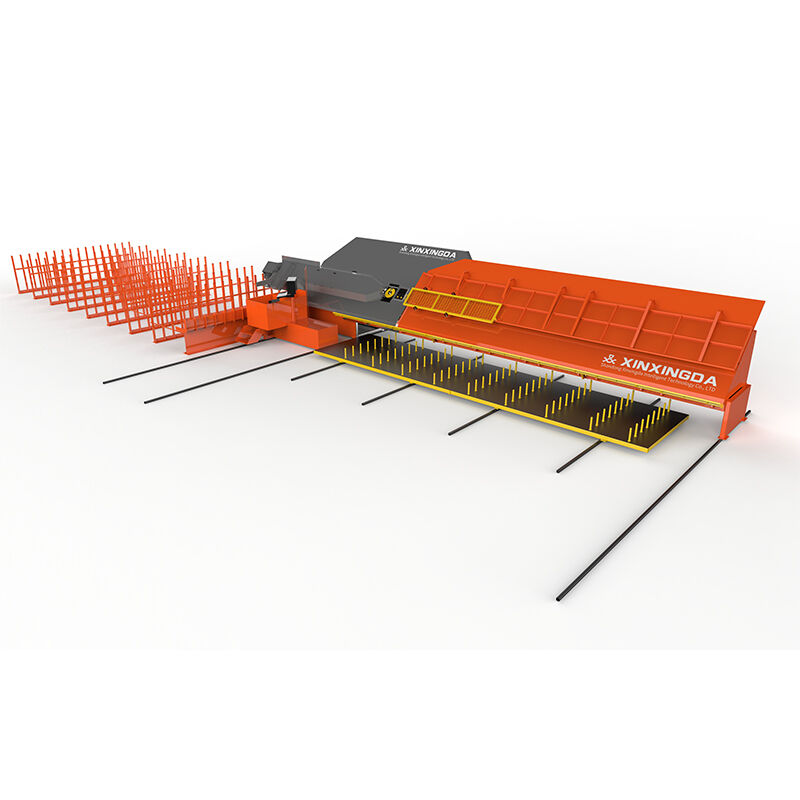
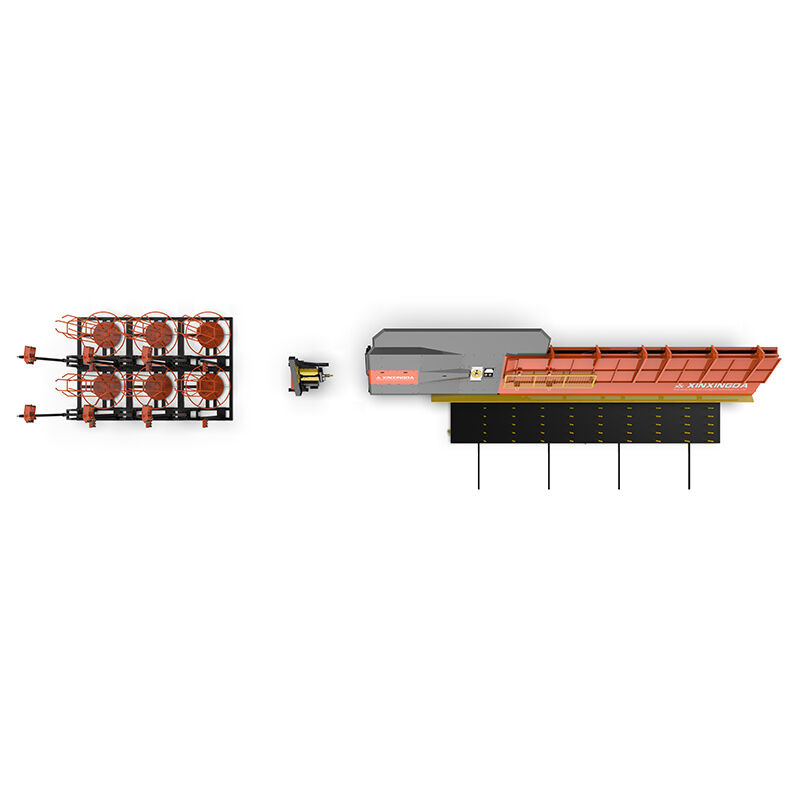
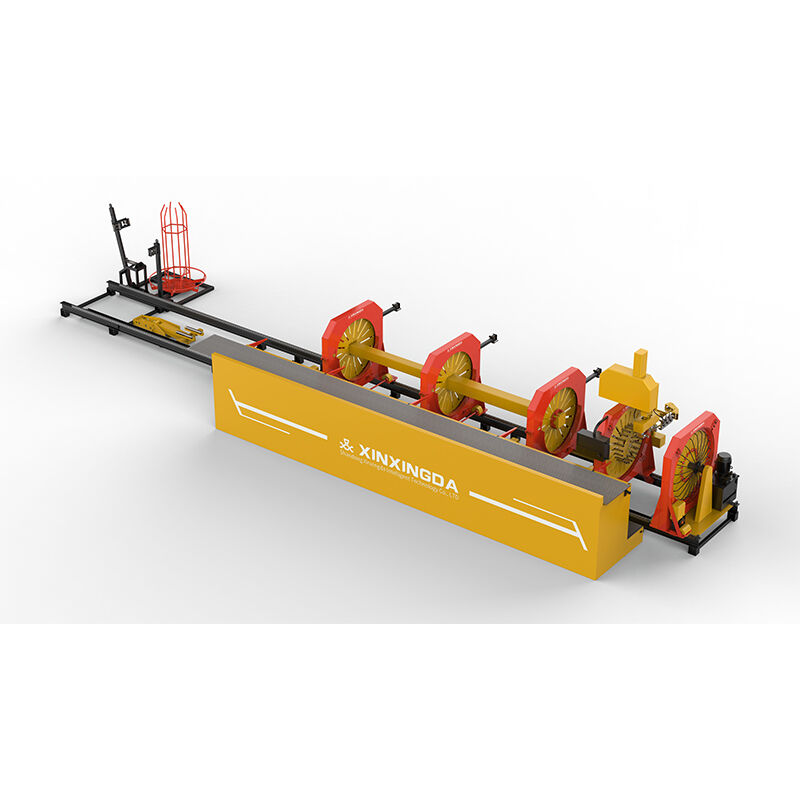
A rebar bending tool represents an essential piece of equipment in the construction and metalworking industries, designed specifically to bend reinforcing steel bars, commonly known as rebar, into precise shapes and angles required for concrete reinforcement projects. This specialized device eliminates the manual labor traditionally associated with bending heavy steel reinforcement materials, transforming what was once a physically demanding and time-consuming process into an efficient, accurate operation. The primary function of a rebar bending tool centers on its ability to manipulate steel reinforcement bars ranging from small diameter wires to heavy-duty structural rebar, typically handling sizes from 6mm to 40mm in diameter. Modern rebar bending tools incorporate hydraulic or electric drive systems that generate substantial force, enabling operators to achieve consistent bends without compromising the structural integrity of the steel. These tools feature adjustable bending angles, allowing construction professionals to create precise 90-degree corners, curved sections, stirrups, and complex geometric shapes required in various construction applications. The technological advancement in rebar bending tool design includes programmable control systems that store multiple bending sequences, ensuring repeatability and reducing human error. Many contemporary models feature digital displays that show bending angles, steel diameter settings, and operational parameters, enhancing precision and user control. The robust construction of these tools typically incorporates hardened steel components, precision-engineered gears, and durable hydraulic systems designed to withstand the demanding conditions of construction sites. Safety features integrated into modern rebar bending tools include protective guards, emergency stop mechanisms, and ergonomic designs that minimize operator fatigue and injury risk. Applications for rebar bending tools span across residential construction, commercial building projects, infrastructure development, precast concrete manufacturing, and specialized metalworking operations where precise steel reinforcement shaping is critical for structural integrity and project success.

Popular Products

The rebar bending tool delivers transformative benefits that revolutionize steel reinforcement preparation across construction projects of all scales. Time efficiency stands as the most immediate advantage, with these tools reducing bending time by up to 80% compared to manual methods. Where traditional hand bending might require several workers and substantial physical effort over hours, a rebar bending tool completes the same task in minutes with a single operator. This dramatic time reduction translates directly into cost savings, allowing construction teams to allocate labor resources to other critical project phases while maintaining project timelines and budgets. Precision accuracy represents another compelling advantage, as these tools eliminate human error and inconsistency inherent in manual bending processes. The mechanical precision ensures every bend meets exact specifications, reducing waste from incorrectly shaped rebar and preventing costly structural issues that could arise from improperly bent reinforcement. This accuracy becomes particularly valuable in complex architectural projects where precise angles and curves are essential for structural integrity. Worker safety improvements constitute a significant benefit, as rebar bending tools eliminate the physical strain, repetitive motion injuries, and potential accidents associated with manual steel manipulation. Operators no longer risk back injuries from lifting heavy steel bars or hand injuries from sharp edges and manual bending stress. The ergonomic design of modern tools reduces workplace injuries and associated insurance costs while improving overall job site safety ratings. Versatility in handling various rebar sizes and types provides construction teams with comprehensive solutions for diverse project requirements. From small residential footings to large commercial structures, a single rebar bending tool can accommodate different steel grades, diameters, and bending requirements without requiring multiple specialized tools. This versatility reduces equipment investment costs and simplifies tool management on job sites. Quality consistency ensures that every bent piece meets structural engineering specifications, contributing to overall construction quality and longevity. The repeatable precision helps construction projects achieve higher quality standards while reducing callbacks and warranty issues. Enhanced productivity allows smaller crews to accomplish more work, improving profit margins and competitive positioning for construction companies investing in these advanced tools.

Latest News

How to Choose Steel Bar Processing Equipment for Engineering Projects

05

Dec

How to Choose Steel Bar Processing Equipment for Engineering Projects

Selecting the right steel bar processing equipment is crucial for the success of any engineering project, whether you're working on commercial construction, infrastructure development, or industrial fabrication. The choice of equipment directly impac...
View More
What Advantages Does Construction Processing Equipment Offer Builders

05

Dec

What Advantages Does Construction Processing Equipment Offer Builders

Modern construction projects demand precision, efficiency, and reliability at every stage of development. Today's builders face increasing pressure to deliver high-quality structures within tight deadlines while maintaining cost-effectiveness and saf...
View More
How to Improve Shearing Accuracy with CNC Steel Bar Lines

04

Jan

How to Improve Shearing Accuracy with CNC Steel Bar Lines

Manufacturing precision in steel processing has become increasingly critical as industries demand higher quality standards and tighter tolerances. CNC steel bar lines represent a significant advancement in automated steel processing technology, offer...
View More
What Applications Benefit Most from CNC Steel Bar Bending Machine

30

Mar

What Applications Benefit Most from CNC Steel Bar Bending Machine

Understanding which applications benefit most from CNC steel bar bending machine technology is crucial for construction companies and manufacturers seeking to optimize their operations. These automated systems offer precision, speed, and consistency ...
View More

Get a Free Quote

Our representative will contact you soon.
Email
Name
Company Name
Mobile / WhatsApp
Message
0/1000

rebar bending tool

Advanced Hydraulic Power System for Superior Performance

Advanced Hydraulic Power System for Superior Performance

The hydraulic power system integrated into modern rebar bending tools represents a technological breakthrough that fundamentally changes how construction professionals approach steel reinforcement preparation. This sophisticated system generates tremendous bending force, typically ranging from 20 to 60 tons of pressure, enabling effortless manipulation of even the heaviest structural rebar without compromising precision or speed. The hydraulic mechanism operates through a carefully engineered pump and cylinder configuration that converts electrical energy into mechanical force, delivering consistent power output regardless of steel diameter or bending angle complexity. This advanced system maintains steady pressure throughout the entire bending cycle, ensuring uniform bend radius and preventing stress concentrations that could weaken the steel structure. The hydraulic components undergo rigorous testing and quality control measures, featuring high-grade seals, precision-machined cylinders, and corrosion-resistant materials designed to withstand demanding construction site conditions. Temperature compensation systems within the hydraulic circuit maintain optimal performance across varying weather conditions, from freezing winter sites to scorching summer construction environments. The power system includes sophisticated pressure regulation that automatically adjusts force application based on rebar diameter and material properties, preventing over-bending or under-bending that could compromise structural integrity. Quick-connect hydraulic fittings enable rapid setup and breakdown, facilitating easy transportation between job sites while maintaining system integrity. The closed-loop hydraulic system minimizes environmental impact by preventing fluid leaks and incorporating recyclable components. Maintenance requirements remain minimal due to advanced filtration systems that keep hydraulic fluid clean and extend component life. The power system features multiple safety redundancies, including pressure relief valves, emergency stops, and automatic shutdown mechanisms that protect both equipment and operators. Energy efficiency improvements in modern hydraulic systems reduce operational costs while maintaining superior performance, making the rebar bending tool an economically viable investment for construction companies of all sizes.
Precision Digital Control Interface for Optimal Accuracy

Precision Digital Control Interface for Optimal Accuracy

The precision digital control interface represents the technological heart of contemporary rebar bending tools, transforming traditional mechanical operation into a sophisticated, computer-controlled process that delivers unmatched accuracy and repeatability. This advanced interface features high-resolution digital displays that provide real-time feedback on bending angles, steel diameter settings, force application, and operational status, empowering operators with comprehensive control over every aspect of the bending process. The intuitive touchscreen or button-based controls eliminate guesswork and minimize training requirements, allowing both experienced professionals and newcomers to achieve expert-level results from their first use. Programmable memory functions store multiple bending sequences for complex projects, enabling operators to recall specific configurations instantly and ensuring consistency across hundreds or thousands of identical pieces. The digital system incorporates advanced sensors that automatically detect rebar diameter and material properties, adjusting bending parameters accordingly to optimize results while preventing equipment damage from inappropriate settings. Angle calibration features ensure precise degree measurements, with many systems offering accuracy within 0.5 degrees, far exceeding manual bending capabilities and meeting the most stringent engineering specifications. The control interface includes diagnostic capabilities that monitor system health, predicting maintenance needs and preventing unexpected downtime that could delay construction projects. Data logging functions record bending operations, providing valuable project documentation and quality control records that satisfy regulatory requirements and client specifications. The digital system features multiple language support and customizable display options, making the rebar bending tool accessible to diverse construction teams worldwide. Error detection algorithms identify potential problems before they occur, alerting operators to issues such as incorrect material placement, excessive force requirements, or mechanical malfunctions. Remote monitoring capabilities in advanced models allow project managers to track equipment utilization and performance from off-site locations, optimizing resource allocation and scheduling. The digital interface integrates with construction management software systems, enabling seamless data transfer and project coordination that enhances overall construction efficiency and quality control.
Exceptional Durability and Portability for Demanding Construction Environments

Exceptional Durability and Portability for Demanding Construction Environments

The exceptional durability and strategic portability design of modern rebar bending tools address the harsh realities of construction site operations, where equipment must withstand extreme conditions while remaining easily transportable between project locations. The robust construction incorporates military-grade materials and engineering principles, featuring reinforced steel frames that resist impact damage, corrosion-resistant coatings that protect against moisture and chemical exposure, and shock-absorbing components that maintain precision despite rough handling during transportation and daily use. The structural design undergoes extensive stress testing and quality assurance protocols, ensuring reliable performance under maximum load conditions and extended operational cycles that span years of intensive use. Weather-resistant sealing systems protect critical internal components from dust, moisture, and temperature extremes commonly encountered on construction sites, from desert heat to arctic cold and everything in between. The compact, ergonomic design prioritizes portability without sacrificing performance, with many models featuring integrated wheels, lifting handles, and modular components that facilitate single-person transportation and setup. Quick-setup mechanisms enable rapid deployment, allowing construction crews to begin bending operations within minutes of arrival at new job sites, maximizing productive time and minimizing project delays. The durable construction extends to all operational components, including hardened steel bending dies that maintain sharp, precise edges through thousands of bending cycles, high-torque motors that deliver consistent power output over extended periods, and reinforced hydraulic lines that resist puncture and maintain pressure integrity in demanding environments. Maintenance accessibility features enable field servicing and routine care without requiring specialized tools or extensive downtime, keeping the rebar bending tool operational throughout demanding construction schedules. The modular design philosophy allows for component replacement and upgrades, extending equipment life and adapting to evolving project requirements while protecting the initial investment. Impact-resistant housing protects sensitive electronic components while maintaining user access to controls and displays, ensuring reliable operation even after accidental drops or impacts common in busy construction environments. The portable design includes secure storage compartments for accessories, spare parts, and documentation, creating a comprehensive, self-contained system that reduces the risk of lost components and maintains operational readiness across multiple project sites.


Get a Free Quote

Our representative will contact you soon.
Email
Name
Company Name
Mobile / WhatsApp
Message
0/1000