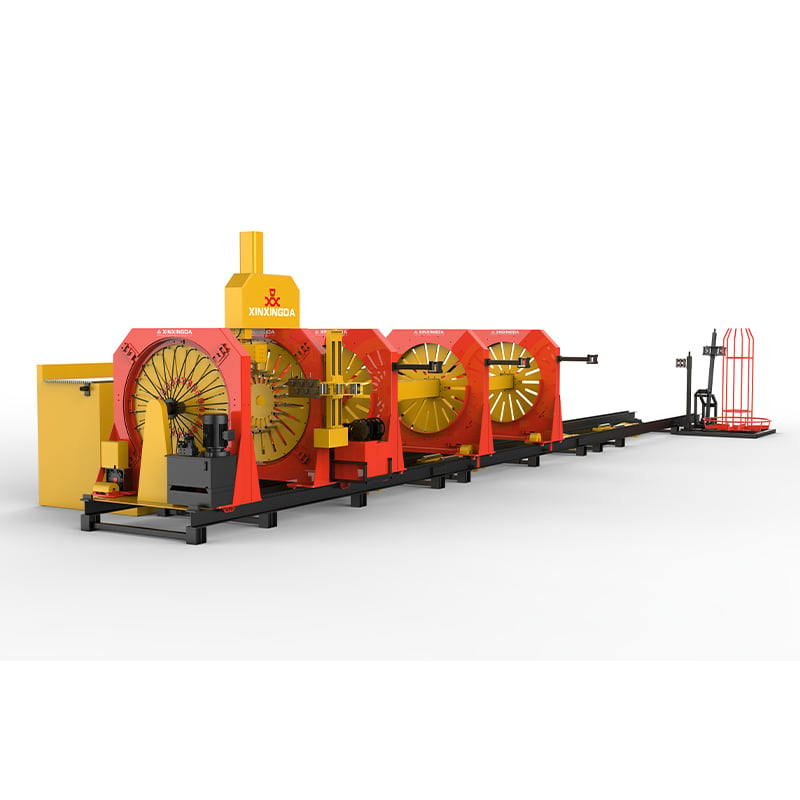
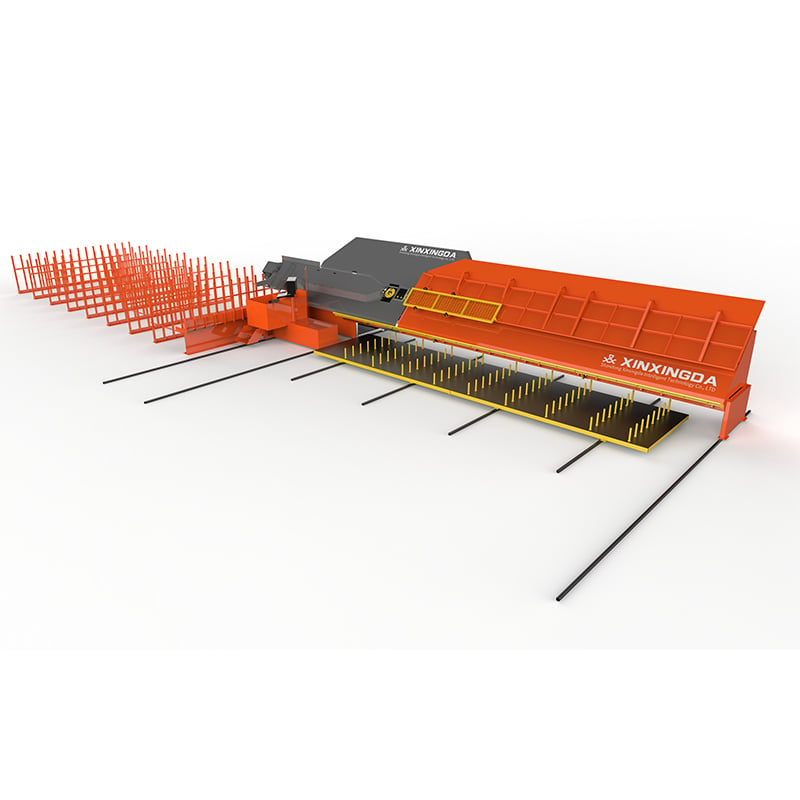
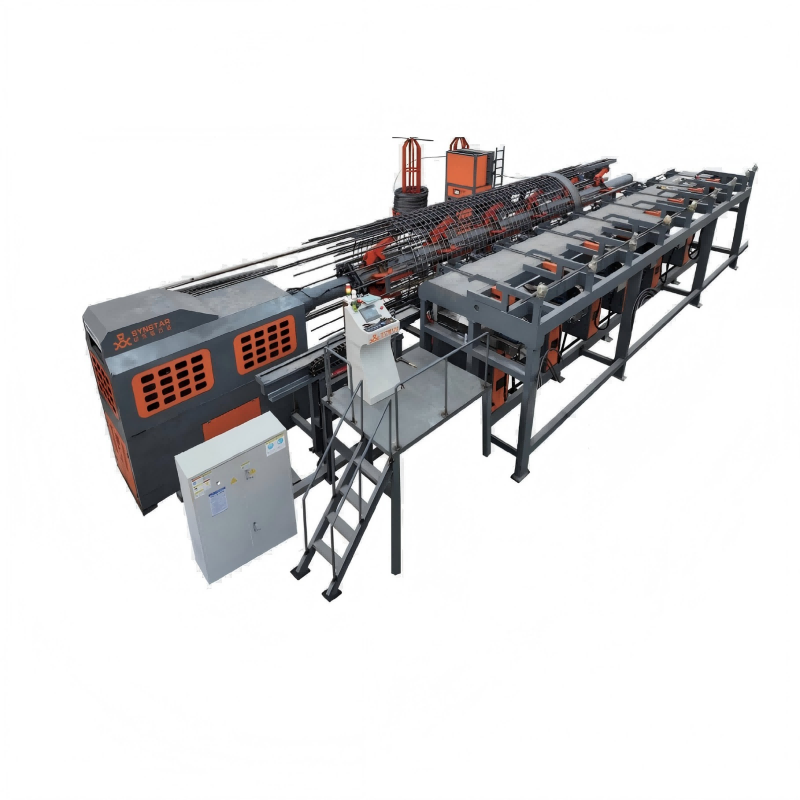
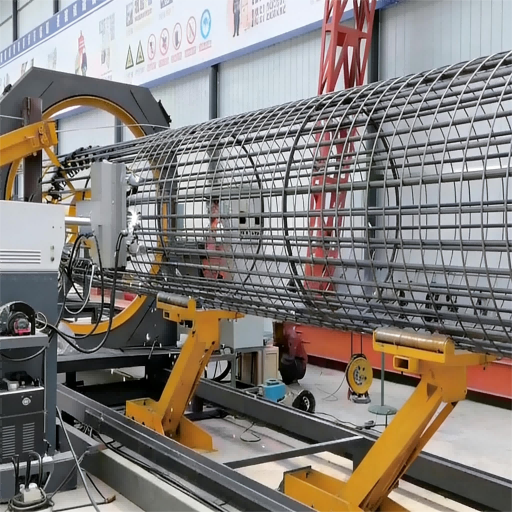
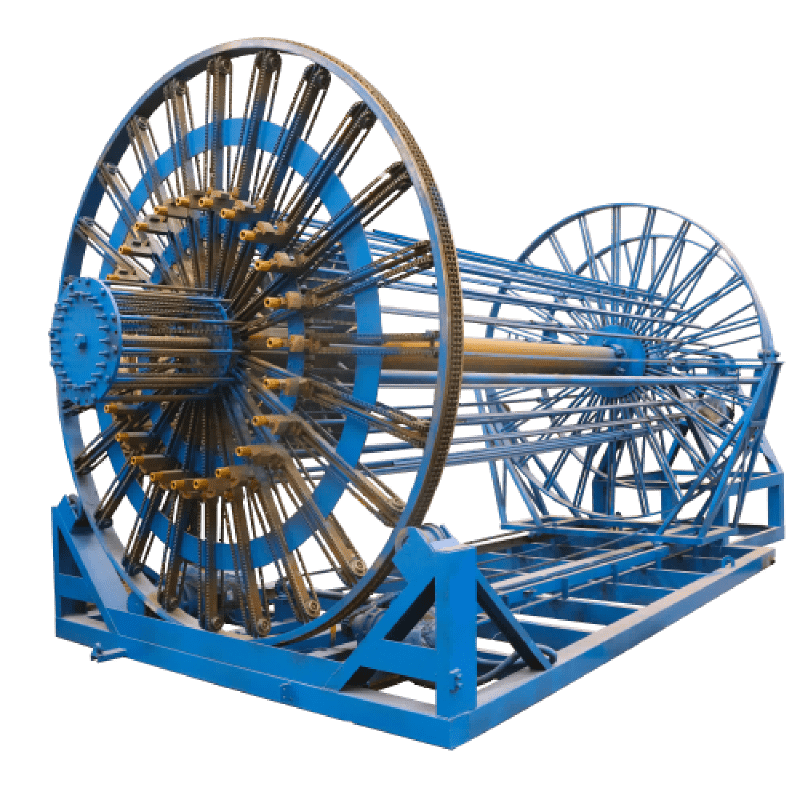
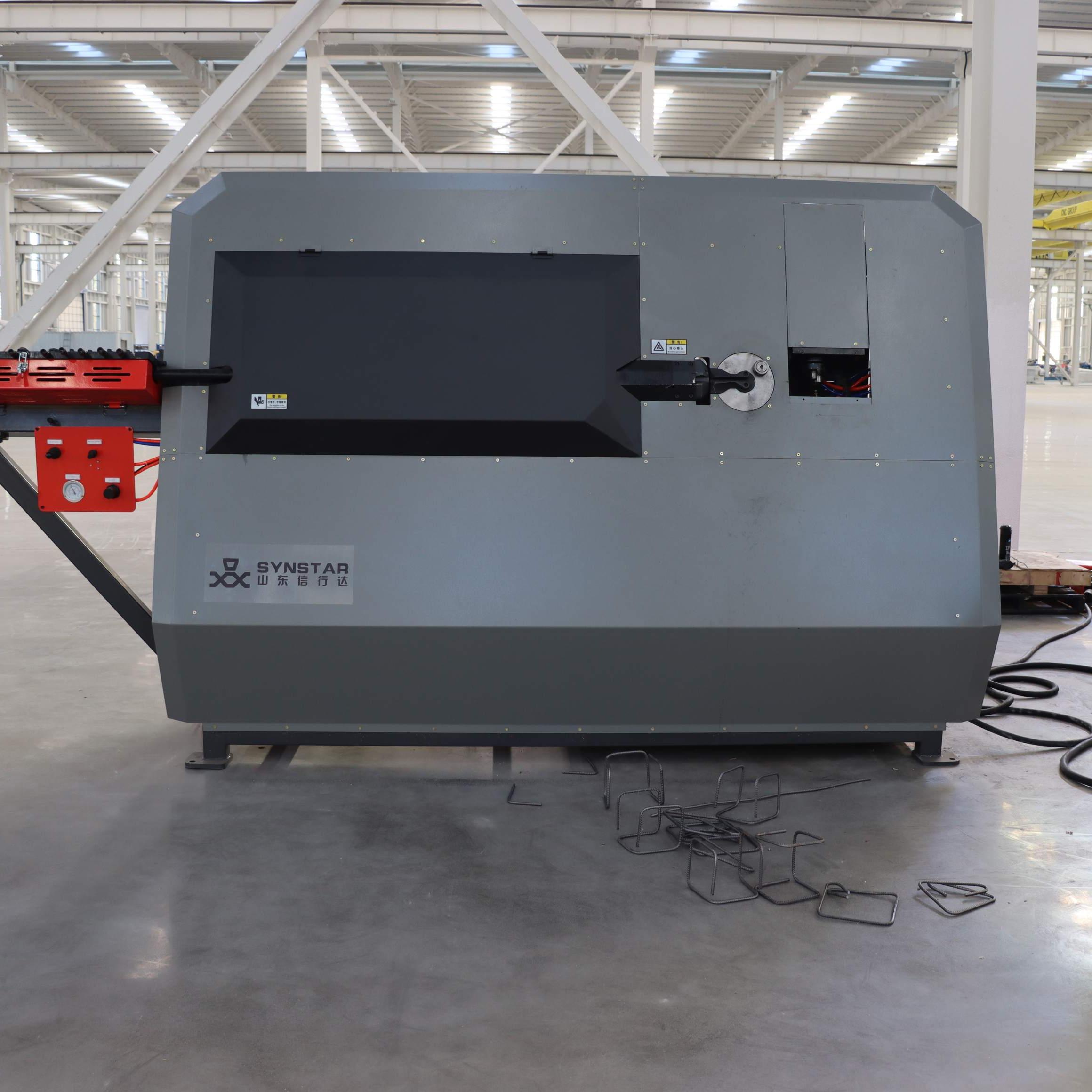
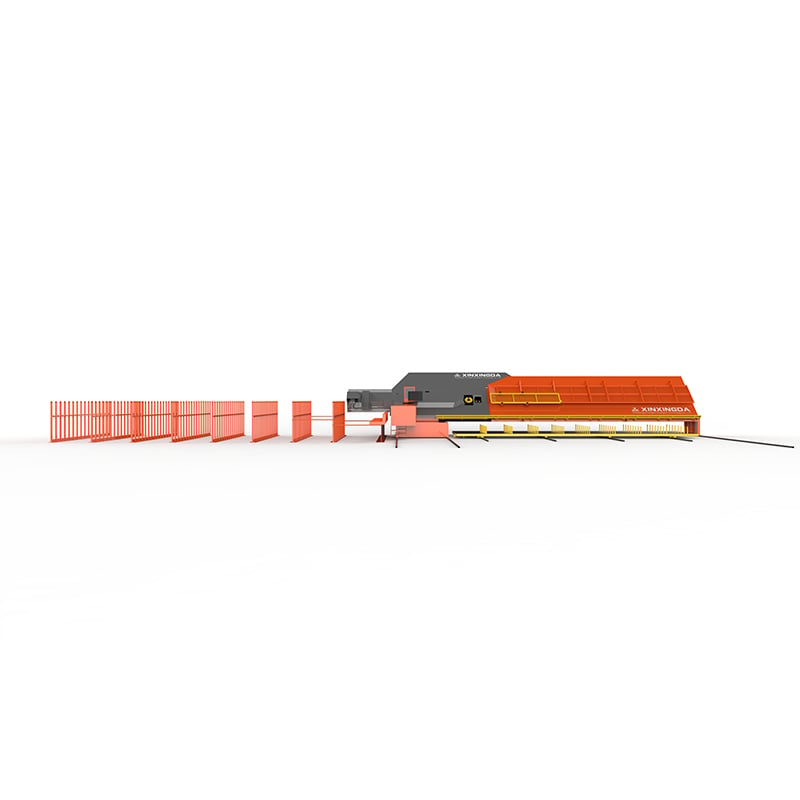
U izgradnji suvremene velike infrastrukture kao što su inženjerske zgrade, brze ceste, željeznička vozila velike brzine, izgradnja tunela, pa čak i nuklearne elektrane, čelične šipke su neophodne ključne komponente. Međutim, vrlo je teško brzo i točno rezati debelu čeličnu šipku na potrebne duljine i učinkovito je razvrstiti. Linija za šišanje čeličnih šipki upravo je "industrijski proizvodni krojač" koji se bavi ovom potražnjom. To označava prijelaz proizvodnje i obrade čeličnih šipki od tradicionalnog ručnog rada do visoke preciznosti, automatizirane inteligentne proizvodnje doba.
Što je to čelična linija za šišanje? Čelična linija za šišanje čeličnih šipki, poznata i kao CNC automatska linija za šišanje čeličnih šipki, je automatska integrisana oprema koja se uglavnom koristi za sečenje i veličinu čeličnih šipki visoke čvrstoće s promjerom od 12 mm do 50 mm do određ
U skladu s člankom 3. stavkom 1. točkom (a) Uredbe (EZ) br. 1225/2009 Komisija je odlučila da se u skladu s člankom 3. stavkom 1. točkom (b) Uredbe (EZ) br. 1225/2009 odredi proizvodnja proizvoda koji se upotrebljavaju u proizvodnji gume. Kontrolirana pomoću PLC računala i servomotora, može riješiti problem velikih količina čeličnih šipki s izuzetno visokom učinkovitostom i ključna je naprava u trenutnim srednjim i velikim proizvodnim postrojenjima za čelične šipke i osnovnim građevinskim projektima.
Ključna struktura i sastav standardizirane linije za šišanje čeličnih šipki obično se sastoje od sljedećih pet glavnih komponenti koje rade u koordinaciji:
U skladu s člankom 3. stavkom 1. točkom (a) ovog članka, "sredstva za proizvodnju" su: Obično je opremljen vodoravnim uređajem za hranjenje, koji može pogodno podići čelične šipke na transportni valjak.
Konvejerna šina (mehanika za hranjenje): Motor s promenljivom frekvencijom pokreće valjake, te tako čvrsto prenosi čelične šipke naprijed. Nova tehnologija promjenjive frekvencije može smanjiti vibracije tijekom rada i usporiti kada se čelične šipke približe pregradi, smanjujući udar.
U slučaju da je to potrebno, to se može koristiti za proizvodnju električne energije. Za razliku od tradicionalnog mehaničkog rezanja, većina suvremenih linija za šišanje koristi hidrauličke cilindre za guranje, s jakom silom šišanja, kompaktnom veličinom, stabilnim sustavom prijenosa i niskom buku.
U skladu s člankom 3. stavkom 2. točkom (a) ovog članka, mjerenje se provodi na temelju podataka iz članka 4. stavka 1. točke (b) Uredbe (EU) br. Udaljenost između šare i pozicioniranja se podešava upravljanjem kugličnim vijkom kroz servomotor, a on pomaže fotoelektrskom koderu u otkrivanju kako bi se osiguralo da je svaki šiširanje točan bez pogreške.
Za potrebe ovog članka, za proizvodnju proizvoda koji se upotrebljavaju u proizvodnji gume, potrebno je utvrditi: Najmodernija strojeva obično su opremljena uređajem za skladištenje više spremnika na tri razine, koji će automatski sortirati i postaviti gotove čelične šipke različite dužine ili brojeve serija, što znatno olakšava naknadno pakiranje i obradu deformacija.
U slučaju da je proizvodnja proizvoda u skladu s člankom 6. stavkom 1.
Ulaz glavnih parametara: Operator na zaslonu osjetljivom na dodir unosi dužinu, količinu i broj serije čeličnih šipki koje će se rezati.
Automatsko hranjenje: oprema stroja automatski uzima čvorove iz stola za pripremu materijala i unosi ih u transportni pruh.
Brzo hranjenje i mjerenje fiksne dužine: Čelične šipke se brzo prenose naprijed. Ako se vrh glave čelične šipke dotakne (ili prođe kroz) pregradu fiksne dužine, servomotor točno mjeri dužinu. Ako je potrebno istodobno posjećivati više čeličnih šipki, prošireni rak materijala može smjestiti više čeličnih šipki odjednom.
Začepljenje i šišanje: Začepljenje hidroličkom lisicom čvrsto drži čelične šipke na mjestu kako bi se spriječilo njihovo kretanje tijekom šišanja. U slučaju da se proizvodnja ne može provesti u skladu s člankom 3. stavkom 1. točkom (a) ovog članka, proizvođač mora se uvjeriti da je proizvodnja proizvedena u skladu s člankom 3. točkom (a) ovog članka.
Sortiranje i isporuka: Gotovi čelični šipci nakon rezanja padaju u unaprijed postavljene spremnike za skladištenje, čekajući da ih električni viljuške ili kamioni odvezu za sljedeći proizvodni proces (kao što je savijanje).
Osnovna konkurentna prednost: Zašto zamijeniti tradicionalnu proizvodnju i preradu? U usporedbi s tradicionalnim ručnim rezanjem kisikom ili malim i srednjim strojevima za ravnanje i rezanje, linija za šišanje čeličnih šipki ima tehničku čvrstoću valjanja i stiskanja:
Vrlo visoka preciznost: Odmak tradicionalnog ručnog šišanja često je na razini centimetara, dok preciznost linije šišanja CNC-ovog stroja može doseći ±2 mm. U skladu s člankom 3. stavkom 3. stavkom 3.
Iznenadno visoka učinkovitost: Radna frekvencija strojeva za šišanje može doseći više od 20 puta u minuti, a može se šišati više čeličnih šipki odjednom (na primjer, može se rezati 8 do 15 čeličnih šipki promjera 25 mm odjednom). Dnevni proizvodni i obradivi kapacitet može doseći 50 do 100 tona, što je jednako radnom opterećenju desetaka radnika.
Izuzetno snažna tehnologija automatizacije i funkcije koje štede radnu snagu: Za kontrolu cijele proizvodne linije, od sirovina do klasifikacije gotovih proizvoda, potrebno je samo 2-3 operatora, a sve se to provodi automatski, potpuno uklanjajući potrebu za napornim ručnim radom.
Raznolikost i sposobnost koordinacije: Ne može samo rezati pojedinačne specifikacije i modele, već i obrađivati narudžbe s više specifikacija i modela i manjim veličinama serija. Raznolikost opreme za skladištenje čini skladištenje ojačanih šipki učinkovitijim.
Osiguranje kvalitete: Širenje čeličnih šipki hidrauličkim tiskom rezultira čistim poprečnim presekom i minimalnom deformacijom, što je korisno za naknadno spajanje flange ili savijanje u oblik.
Neophodan je na gotovo svakom gradilištu koje zahtijeva veliku količinu ojačanih šipki.
Željeznički i cestovni promet: Prefabrikirana podloga za grede, podloga za temelje tunelnih cijevi, krovine cijevi.
Proizvodnja ojačanih kaveza za temelje velikih i srednjih stubova i strukture jezgra cijevi višespratnih zgrada.
U skladu s člankom 3. stavkom 1. stavkom 2.
Standardizirani CNC centri za obradu: Kao osnovna oprema "centra za obradu i distribuciju armature", oni dostavljaju gotovu armaturu na svako gradilište za građane.
Dolaskom linije za šišanje čeličnih šipki nije samo nadogradnja specijaliziranih alata za proizvodnju i obradu, već i transformacija modela upravljanja građevinskim projektom. Proizvodnja i obrada čeličnih šipki prešla su iz "privremenih malih radionica na gradilištima" u "velikostalni, inteligentan proizvodni sustav". Uz kontinuirano poboljšanje standarda zaštite okoliša, učinkovitosti i kvalitete u infrastrukturnoj industriji, visokokvalitetne i visoko automatizirane linije za šišanje čeličnih šipki postaju neophodna standardna konfiguracija u modernim građevinskim projektima.
 Najnovije vijesti
2026-05-27
2026-05-18
2026-05-12
2026-05-08
2026-05-01
2026-04-27
Copyright © 2026 Shandong synstar Intelligent Technology Co., Ltd. Sva prava su rezervirana. - Politika privatnosti
 EN
EN