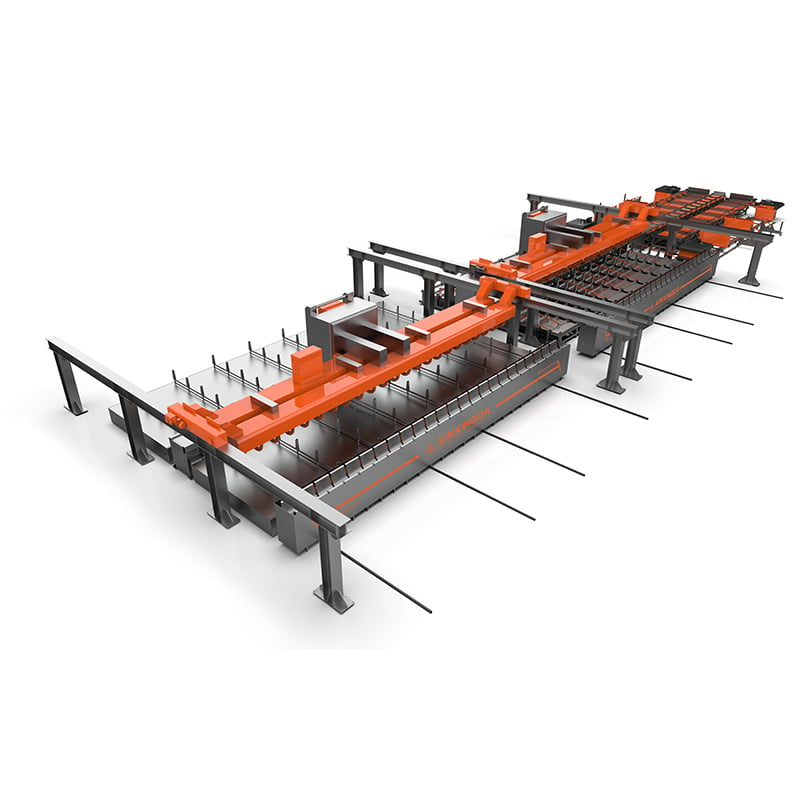
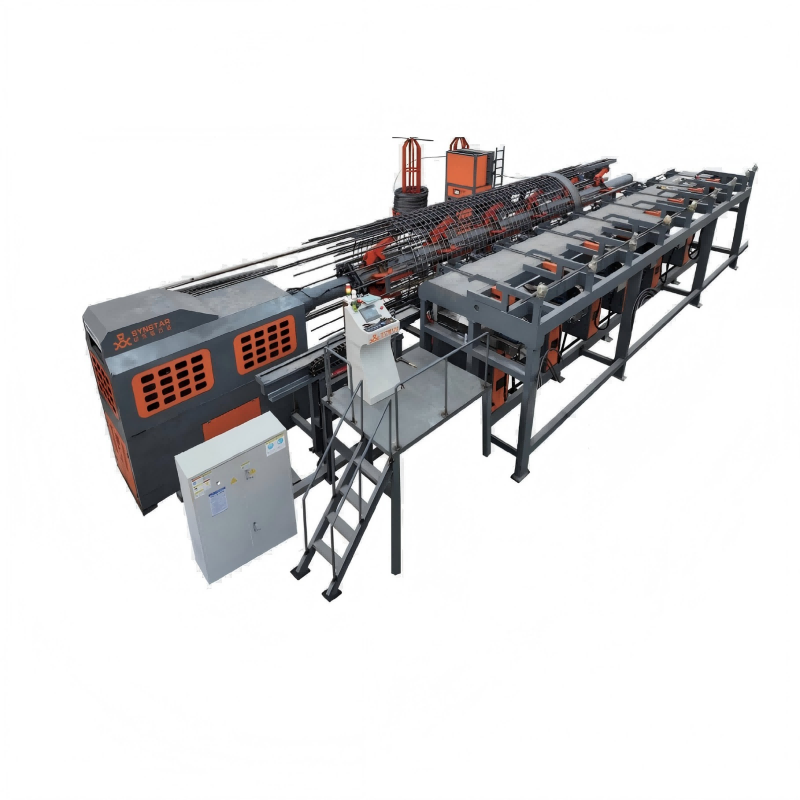
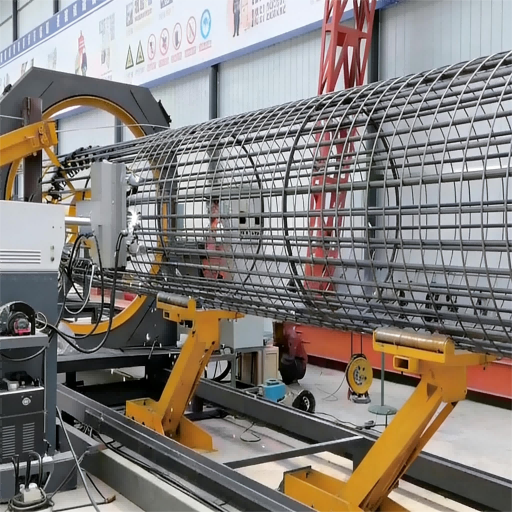
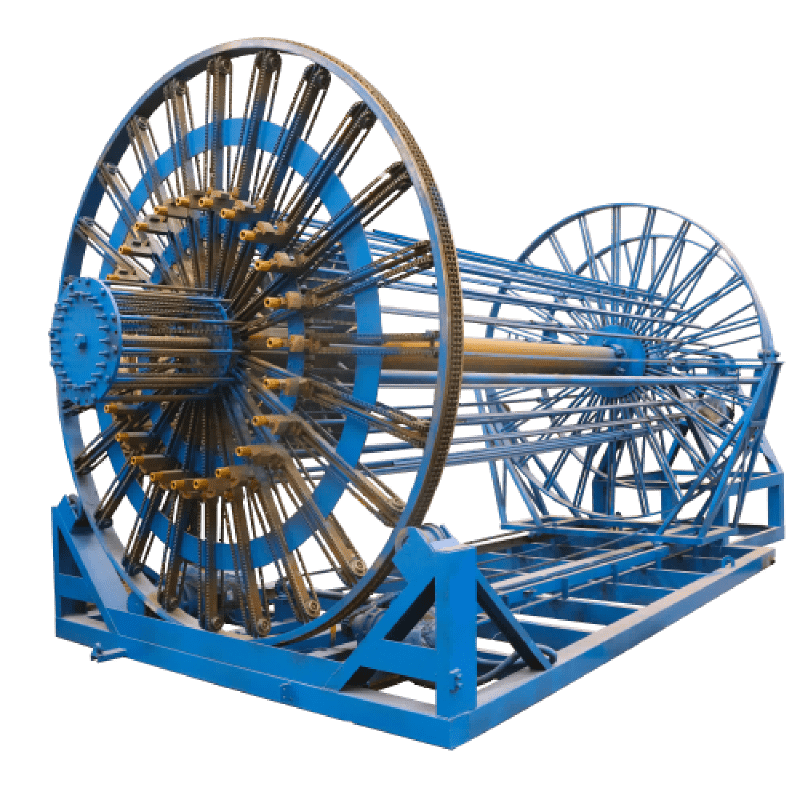
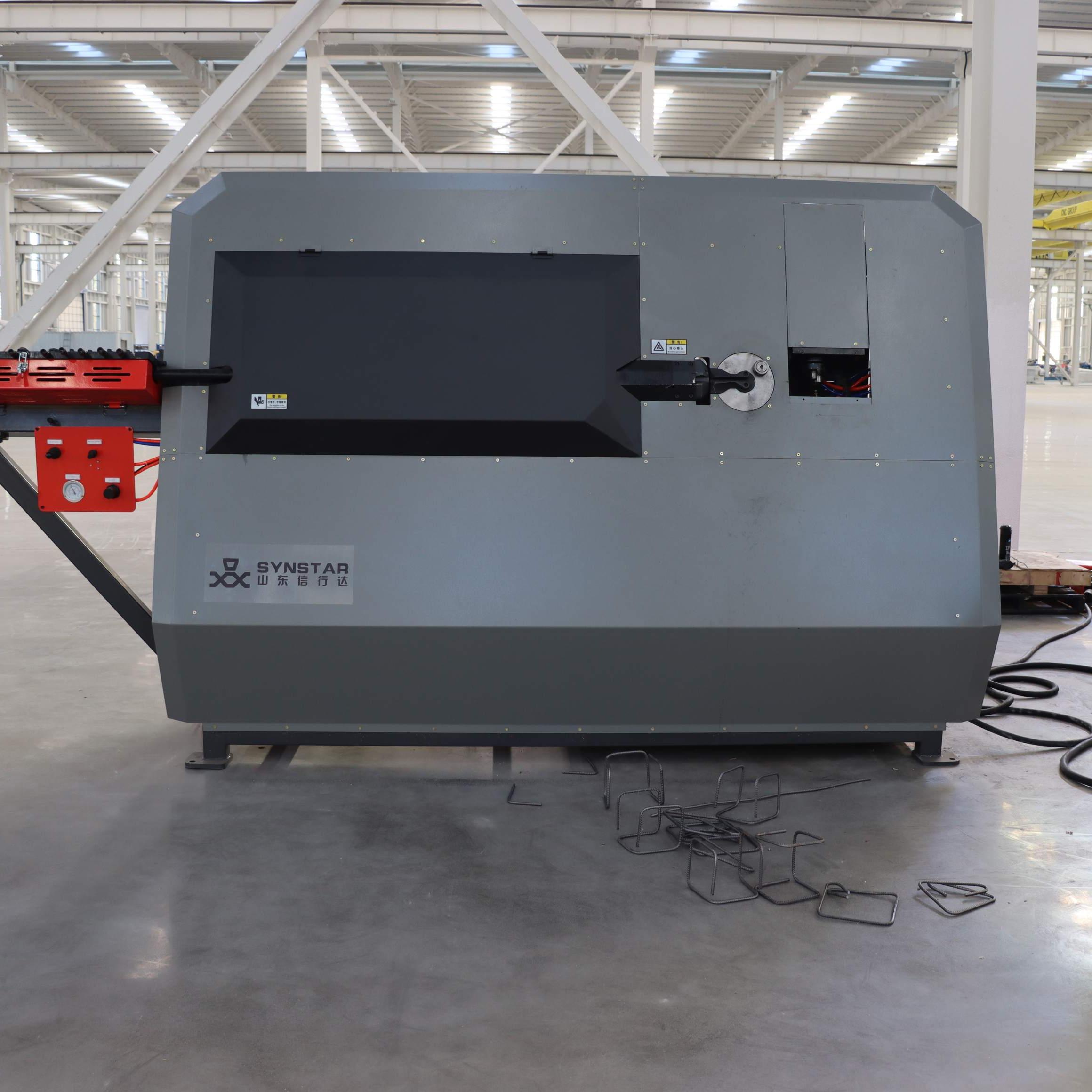
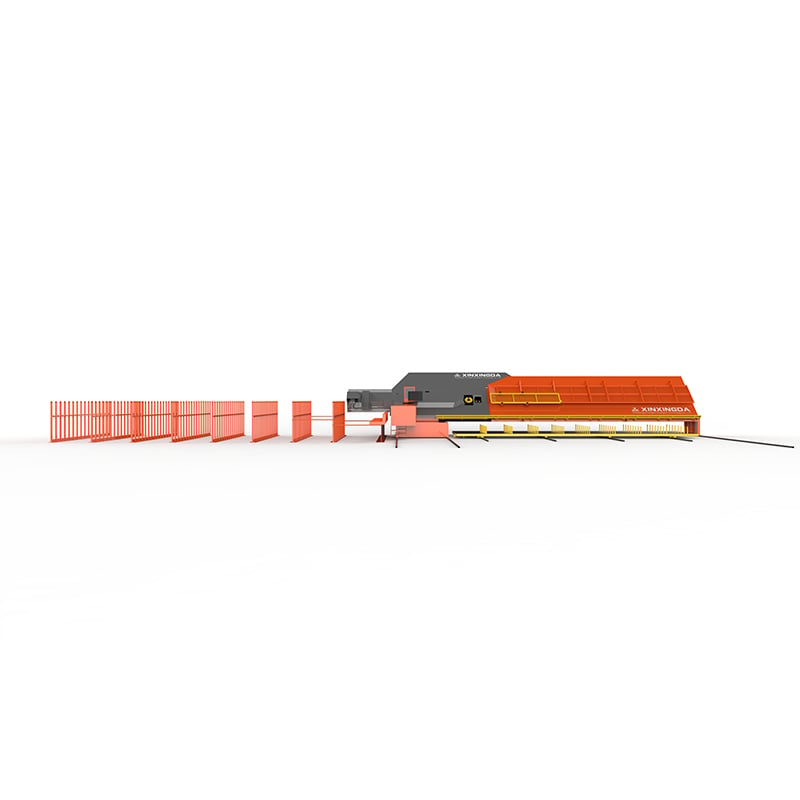
The deep processing center for steel bars is an important link in contemporary construction engineering and prefabricated component manufacturing, undertaking various processing tasks such as straightening, cutting, bending, threading, and electric welding of steel bars. How to fully utilize the equipment's characteristics, improve processing efficiency, and reduce consumption is a concern for every production manager. This article, from the perspective of the operation process, summarizes a set of practical and efficient operation methods.
II. Pre-processing Work Before Processing
2.1 Engineering Drawings and Progress Management: Early Review of Drawings: Carefully check the steel bar material list before processing to confirm the specifications, models, total quantity, sizes, shapes, and other data to avoid rework due to errors in the engineering drawings.
Batch consolidation: Consolidate the batch numbers of processing tasks with the same specifications and models or similar specifications to reduce mold changing and adjustment time.
Ordering improvement: Scientifically arrange the production and manufacturing sequence based on supply priority and equipment level. Cross-processing of long materials can increase processing costs.
2.2 Preparatory Work: Categorize and store raw materials: Stack them by specification and model, and by model system in separate areas, with clear markings, which facilitates quick retrieval.
Early material preparation: According to the processing plan of the day, hoist the required steel bars to the material preparation area in advance to reduce the waiting time of the equipment.
Inspect raw materials: Remove the reinforcing bars that are severely rusted, bent or deformed beyond the standard, or have defects to prevent jamming or cutting problems during processing.
2.3 Daily inspection before starting the equipment: oiling the lubrication points, tightening loose screws, checking the gear oil level, and removing dust from the sensors.
Inspection of grinding tools and CNC cutting inserts: Ensure that the cutting edge of the CNC cutting insert is sharp, the bending grinding tool is undamaged, and the threading wheel plate is detailed.
Idle run test: Run the equipment at high speed for 1-2 minutes, listen for any abnormal sounds and observe if there are any issues with the posture.
III. High-Efficiency Methods in Production
3.1 Reasonably determine the main parameters - cutting speed: Select an appropriate cutting speed based on the diameter of the steel bar. A speed that is too fast can cause the blade to break, while a speed that is too slow will affect efficiency. Generally, medium to high speed is recommended for steel bars with diameters of Φ12 to Φ25, and a moderate reduction in speed is advised for diameters of Φ28 and above.
Bent view compensation: Pre-set the bent rebound force compensation value (generally 1-2 degrees) to reduce secondary adjustments.
Threading length control: Accurately set the threading size and feed rate to prevent empty threading or over threading.
3.2 Continuous operation method for improving operation steps: Prepare the next steel bar in advance immediately after feeding one, reducing the duration of high-speed operation of the equipment. The operator and the assistant should closely cooperate to ensure that the operation is not interrupted when changing personnel.
Batch processing standards: After the centralized processing of the same specification and model, and the same fixed-length steel bars is completed, change the specification and model to avoid frequent conversions.
Multi-machine collaboration: When several devices are operating simultaneously, rough processing and fine processing are separated. The rough processing equipment is responsible for straightening and cutting, while the fine processing equipment is responsible for bending and threading, creating a production line.
3.3 Reduce loading and unloading time through stamping automation: Use quick-change tooling fixtures to keep mold change time within 5 minutes. Common molds are precisely positioned and stored according to their size serial numbers.
Distance pipe partition lifting: By applying adjustable distance pipe partitions or multiple distance pipe devices, several different lengths can be processed with one setting.
Rapid collection of finished products: Set up guide chutes or conveyor belts at the discharge port to automatically send the products into the material baskets, eliminating the need for manual picking one by one.
3.4 Solution for Special Cases: Utilization of Short Materials: Screen the remaining short materials. Those around 300mm can be used to make non-standard parts such as horse stool bars and ladder bars, reducing waste.
Material blockage resolution: When a material blockage occurs, immediately shut down the machine. Use tools to clear it; do not directly reach in with your hands. After cleaning, check if the bending disc or cutting knife is damaged.
Repair after direction change: If the processed steel bars are not completed after the direction change, they should be manually returned first and then restarted to avoid equipment damage caused by forced operation.
IV. Equipment Maintenance and Care
4.1 Key Points for Daily Maintenance and Care: Each shift should clear away iron filings and dust after processing, especially the dirt around the moving parts of the sensors.
Integrated operation and inspection: Add lubricating oil as per the equipment operation manual on time. The bending shaft and the feeding wheel should be lubricated once every 8 hours.
The replacement cycle of CNC cutting inserts: For the cutting head, the cutting edge should be inspected after processing 5,000 to 8,000 steel bars. If the damage exceeds 0.5mm, the insert should be replaced.
4.2 Management Method for Consumable Accessories
Establish inventory levels for accessories: Common consumable accessories such as cutting heads, bending mandrels, feeding wheels, threading wheels, etc., should have a minimum of two sets available.
Replacement record: Record the date of each replacement, the total number of processing, statistically analyze the service life, and give early warning.
4.3 Regular Maintenance Weekly Inspection: Belt tension, oil level in the gearbox, and sensitivity of each limit switch.
Monthly maintenance: Remove dust from the electrical cabinet, tighten the terminal blocks, and calibrate the precision of the distance pipe.
Quarterly major maintenance: Replace gear oil, check axial clearance, and calibrate the parallelism of the slide rails.
V. Staff Training and Management
5.1 Professional Skills Enhancement - Multi-skilling Training: Each operator must master the operation and method adjustment of at least two or more types of equipment.
Quickly identify common faults: Learn the meaning and handling measures of common report codes to reduce the time spent waiting for the device to be shut down and repaired.
Unified action data signal: When the crane is in operation and multiple axes are working in coordination, unified actions should be taken or communication should be conducted via walkie-talkies to prevent operational errors.
5.2 Performance evaluation encourages piece-rate pay linked to efficiency: Incorporate the comprehensive high efficiency of equipment into performance assessment indicators to motivate the team to actively enhance speed and quality.
Skills Competition: Regularly hold mold change and straightening precision competitions to foster a competitive and excellence-driven atmosphere.
VI. Practical Tips for Efficiency Enhancement
Scenario: Low-Efficiency Practices vs. High-Efficiency Practices
1. Multi-Specification Conversion
Low-Efficiency: Shut down the machine each time a specification or model is changed.
High-Efficiency: Centralize processing of the same specification to reduce mold change frequency.
2. Length Material Combination
Low-Efficiency: Process long materials first, resulting in short material inventory build-up.
High-Efficiency: Cross-length processing, giving priority to short materials for small finished products.
3. Finished Product Stacking
Low-Efficiency: Scatter on the ground and then sort out later.
High-Efficiency: Use conveyor belts and sort into categorized baskets in one go.
4. Equipment Adjustment
Low-Efficiency: Adjust by trial and error, cutting several times.
High-Efficiency: Refer to the parameter record card and set it once.
5. Threading Work
Low-Efficiency: Thread one rod and then take another.
High-Efficiency: Implement continuous operation with two-process feeding alternation.
VII. Conclusion
The efficient application of the steel bar deep processing center is not merely about increasing the equipment startup speed. It involves simultaneous improvement in the four aspects of preparation, operation, maintenance, and management. As the saying goes, "Seven parts preparation, three parts operation." True efficiency comes from meticulous attention to every detail. It is hoped that the methods presented in this article can help practitioners reduce downtime, minimize system failures and shutdowns, and enhance processing costs, allowing the equipment to reach its intended production capacity.
 Hot News
2026-05-27
2026-05-18
2026-05-12
2026-05-08
2026-05-01
2026-04-27
Copyright © 2026 Shandong synstar Intelligent Technology Co., Ltd. All rights reserved. - Privacy Policy
 EN
EN